
Soft Play Set
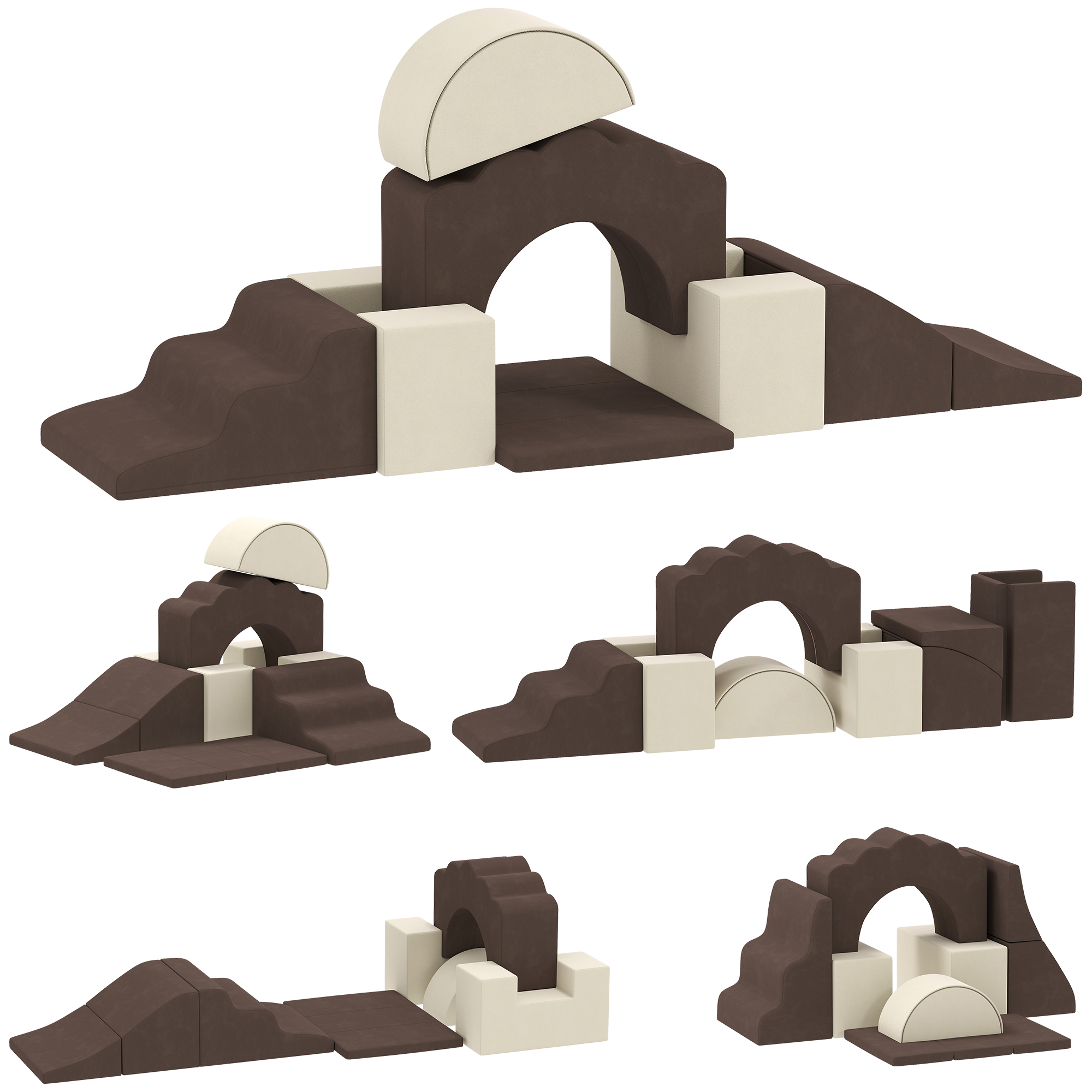
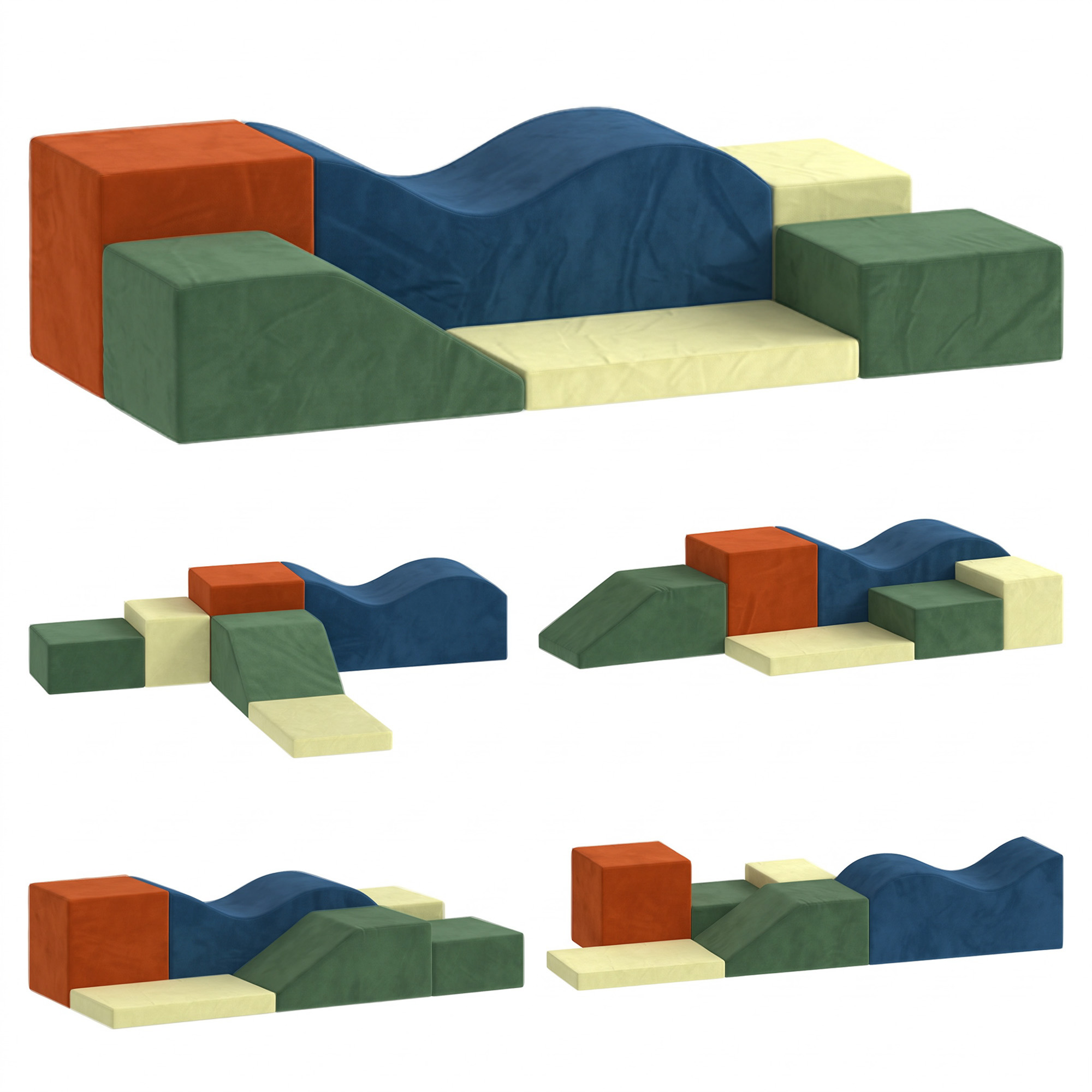
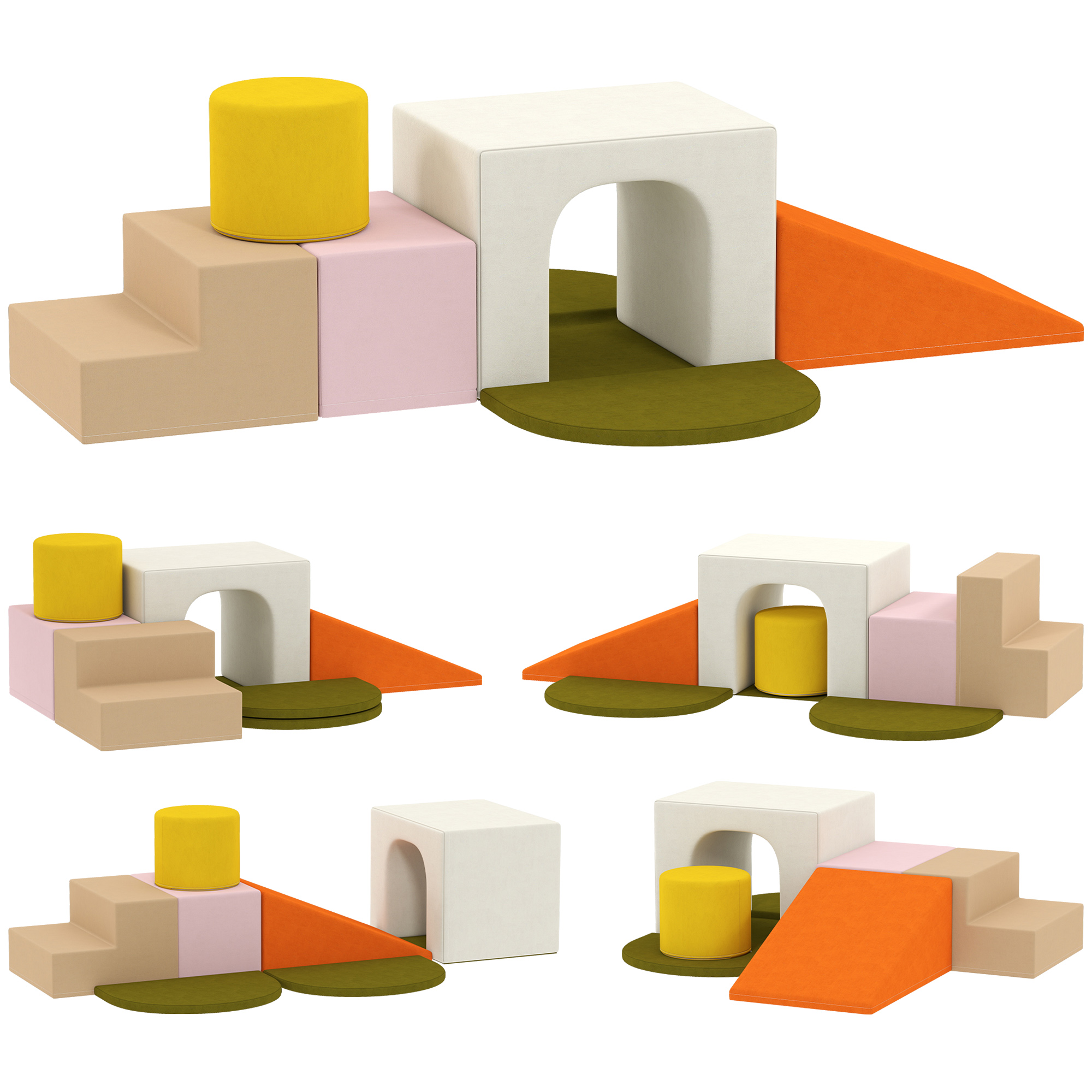
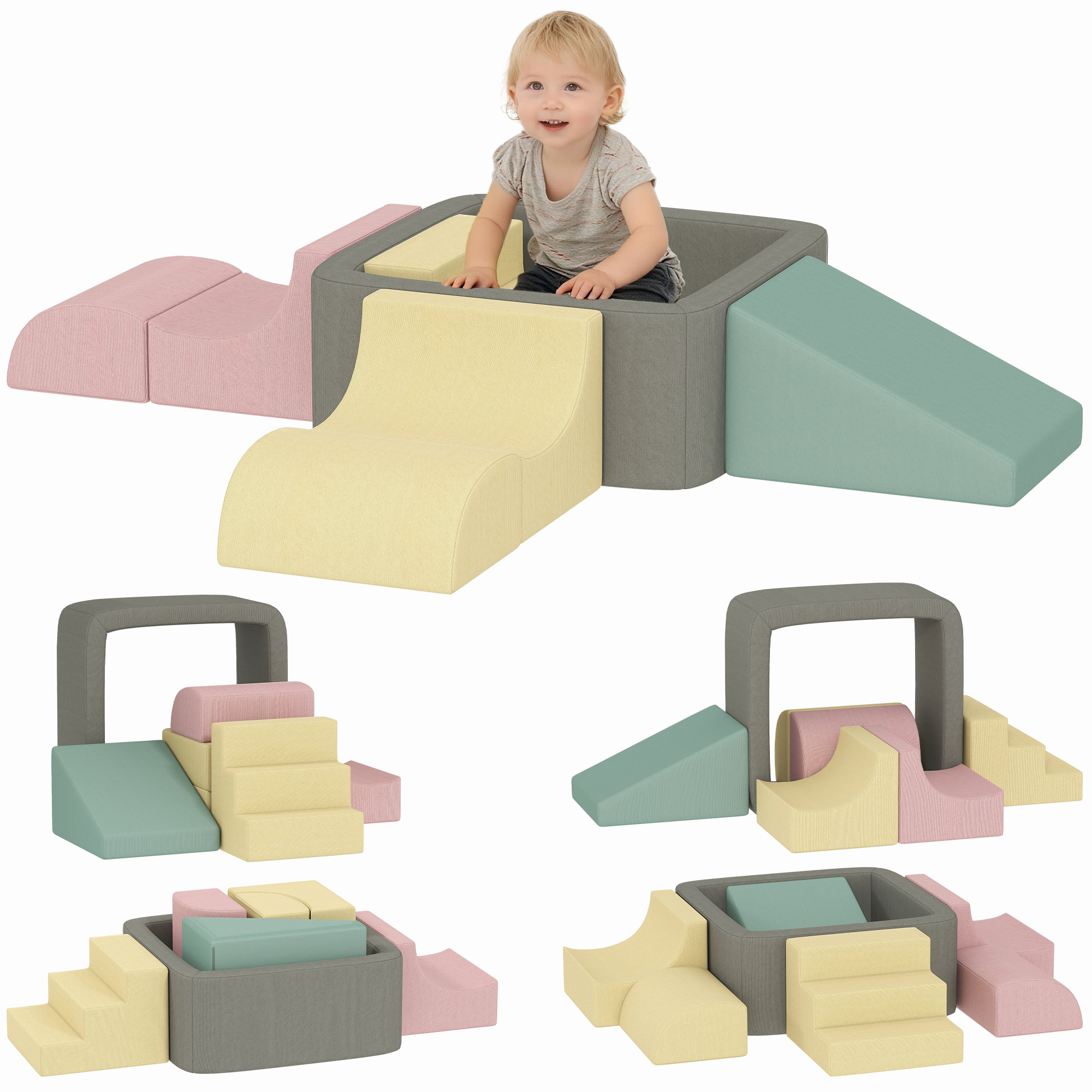
Big Ideas Begin with Little Adventures
A simple foam block can become a climbing hill, a colourful tunnel, a little bridge or the starting point of an imaginative obstacle course. With a soft play set, children are free to build, rearrange and explore different ways to play. Instead of following one fixed activity, they can create new combinations every day, turning an ordinary room into a space for movement, discovery and creativity.
The Aosom EU collection brings together HOMCOM and AIYAPLAY soft play equipment, including foam building blocks, modular climbing sets, motor skills play courses and multi-piece activity sets. With different shapes, sizes, textures and configurations, these soft foam playsets offer versatile options for nurseries, playrooms, preschools and family living spaces.
More Than Building Blocks: A World of Play Possibilities
Soft play blocks are designed for much more than stacking. Their different shapes and sizes allow children to experiment with height, balance, space and structure through hands-on activities.
A rectangular block can become a step, a wedge can create a small climbing slope, and several geometric shapes can be combined into a larger play structure. Children can build their own little castles, create pathways or rearrange the modules into completely new designs.
- Building and stacking – Combine different shapes to create towers, walls and imaginative structures.
- Climbing and crawling – Explore low platforms, ramps and soft obstacles.
- Balancing activities – Move across different shapes and surfaces under adult supervision.
- Shape exploration – Discover how different geometric pieces fit together.
- Creative construction – Turn individual blocks into castles, tunnels and obstacle courses.
This open-ended approach gives children the freedom to change their play environment whenever they like. A set that starts as a climbing course can become a building activity later in the day, making the modules useful for different types of indoor play.
Climb, Crawl and Explore
Movement-based play is an important part of children's everyday activities. Soft play modules create opportunities for children to practise climbing, crawling, stepping over obstacles and changing body positions in a cushioned indoor environment.
The collection includes multi-piece foam climbing sets with ramps, cylinders, half-cylinders, rectangular blocks and padded floor mats. These shapes can be arranged at different heights to create simple movement courses suitable for supervised play.
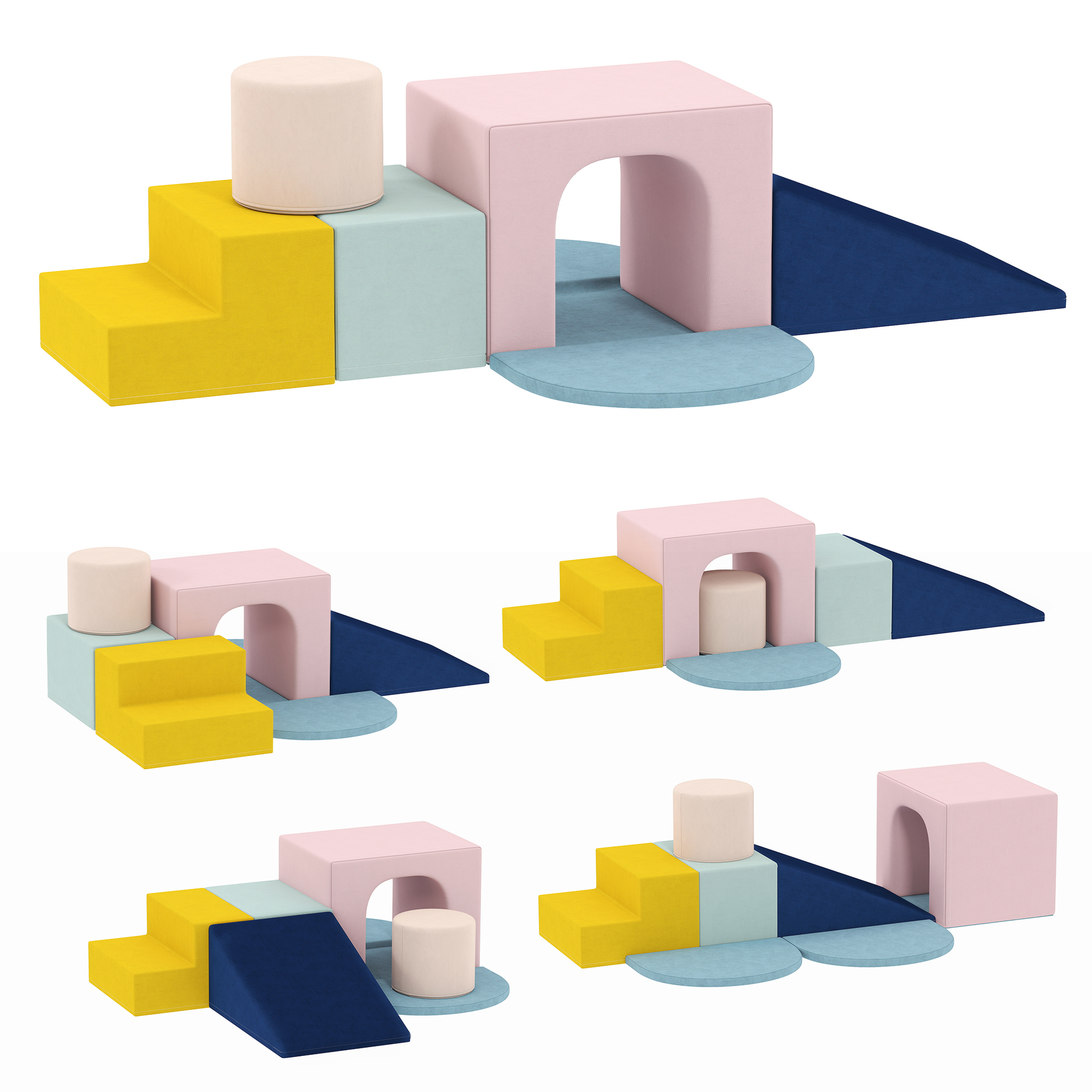
For example, the AIYAPLAY 5-Piece Baby Motor Skills Play Course combines a ramp, cylinder, half-cylinder, cube and rectangular block. Children can explore different arrangements, crawl across the modules or use them as individual building pieces.
When setting up a climbing course, start with lower arrangements and leave sufficient space between the modules. Adjust the layout according to the child's age, physical abilities and confidence.
Modular Sets: Create a New Play Layout Every Day
One of the biggest advantages of modular soft play equipment is its flexibility. Instead of being limited to a single structure, children can rearrange individual pieces to create different play environments.
The Aosom collection includes sets with 4, 5, 6, 7, 8, 9, 11 and 12 pieces, depending on the model. Some feature simple geometric blocks, while others include larger modules, padded mats and specialised shapes for climbing and construction activities.
- Compact sets – Suitable for smaller play areas and simple stacking activities.
- Multi-shape sets – Combine ramps, cubes and curved pieces for more varied arrangements.
- Large building sets – Provide additional pieces for creating bigger structures.
- Activity course sets – Combine different shapes for crawling, climbing and movement-based play.
- Multi-purpose sets – Selected designs can be rearranged into table, stool or ball-pit configurations.
Before choosing a set, consider the number of pieces, individual block dimensions and the total space required for the assembled layout. More pieces provide additional configuration options, but they also require more room when used together.
Soft Play Ball Pits: Add Another Dimension to Playtime
Some modular playsets offer more than climbing and building. Selected configurations can also be transformed into a ball pit, introducing another type of sensory and interactive activity.
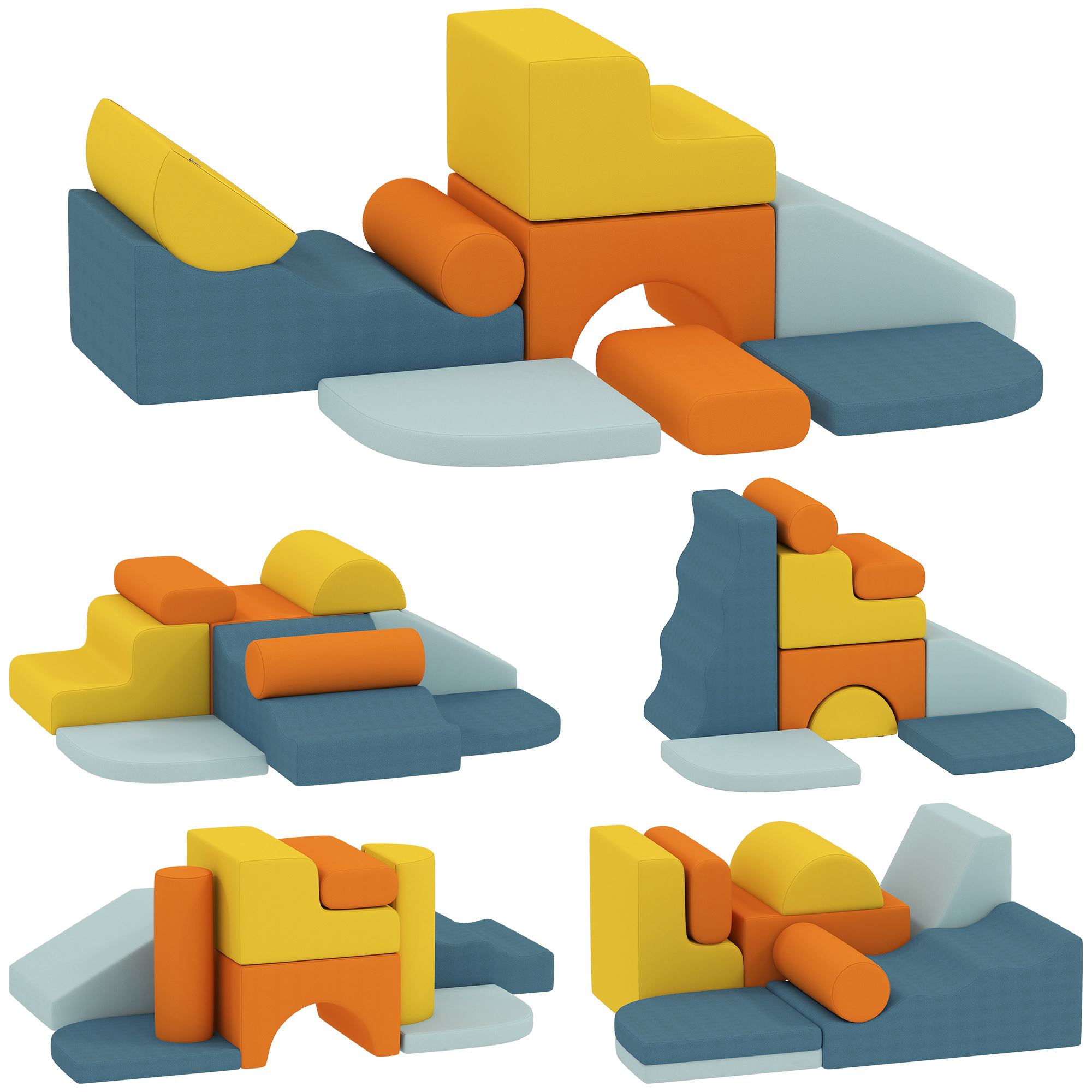
The AIYAPLAY 9-Piece Toddler Motor Skills Playset features tangram-inspired foam modules that can be rearranged into different structures or used to create a ball-pit configuration. Its combination of geometric pieces and a padded floor mat offers several ways to organise the play area.
When using a ball-pit configuration, check the manufacturer's recommended setup and whether play balls are included. Keep the play area clear and supervise children throughout the activity.
Soft Foam Slides and Obstacle Courses
Ramps and inclined foam modules add movement to an otherwise flat play area. They can be positioned as small climbing slopes, stepping sections or part of a simple indoor obstacle course.
Selected AIYAPLAY foam sets include foldable slide and climbing elements that can be combined with other modules. These designs offer a different way to use soft blocks, particularly when children enjoy moving between different heights and shapes.
Always check the dimensions and maximum recommended load of individual modules. Position ramps on a flat, stable surface and ensure there is sufficient clearance around the structure. Only use climbing and sliding configurations permitted by the product instructions.
Soft Play Table and Stool Sets
Some soft play products can also be arranged into furniture-inspired shapes. Selected multi-piece sets include foam blocks that can be configured as a small table and stools, creating another option for imaginative play and simple indoor activities.
The AIYAPLAY 8-Piece Soft Foam Building Blocks Set combines PU foam modules with a table-and-stool design. This multi-purpose arrangement provides an alternative to traditional climbing configurations.
When using the blocks as furniture-style pieces, follow the intended assembly configuration and maximum load specifications. They should not automatically be treated as replacements for conventional children's furniture.
Choose the Right Number of Foam Blocks
The number of modules determines how many shapes and configurations are available. A smaller set may be sufficient for basic stacking and climbing activities, while a larger collection provides more possibilities for constructing elaborate play layouts.
- 4–5-piece sets – Suitable for compact climbing arrangements and simple shape exploration.
- 6–7-piece sets – Provide more variety for building, stacking and movement activities.
- 8–9-piece sets – Offer additional combinations, including selected table, stool and ball-pit configurations.
- 11–12-piece sets – Provide a larger selection of geometric pieces for more extensive building activities.
These are general comparisons of the available set sizes, not fixed activity recommendations. Always check the individual module dimensions, overall configuration and intended use before selecting a set.
Foam Density and Support: What Should You Compare?
The foam filling determines much of the feel and support of a soft play block. Different products use different foam materials and densities, so it is worth checking the specifications rather than judging a set by its appearance alone.
The current collection includes EPE foam, PU foam, EVA foam and selected high-density foam constructions. For example, the AIYAPLAY 5-Piece Baby Motor Skills Play Course specifies 30D high-density foam, while other models use EPE or PU foam fillings.
- EPE foam – Used in selected soft building blocks and climbing modules.
- PU foam – Found in selected modular blocks and multi-purpose playsets.
- EVA foam – Used in selected foam module constructions.
- High-density foam – Selected models specify a higher-density filling, such as 30D foam.
Foam type and density are not interchangeable measures of overall quality. Compare the product's stated material, dimensions, firmness and maximum recommended load to understand which design is appropriate for the intended activity.
Velvet, Corduroy or PU Covers?
The outer covering influences the appearance, texture and everyday maintenance of a soft play set. Aosom's current collection includes velvet, corduroy, PU and synthetic leather-style covers.
- Velvet covers – Provide a soft textile finish with a smooth, plush feel.
- Corduroy covers – Feature a ribbed texture, adding a distinctive tactile finish.
- PU covers – Offer a different surface finish on selected foam building blocks.
- Synthetic leather covers – Used on selected HOMCOM modules for a smooth, wipeable-style exterior.
The best option depends on your preferred appearance, tactile feel and cleaning requirements. Check whether the individual product has removable covers and follow its specific washing instructions.
Removable and Washable Covers for Easier Care
Soft play equipment is used frequently, particularly in playrooms and nurseries. Spills, dust and everyday contact can gradually affect the appearance of the outer fabric.
Selected AIYAPLAY foam sets feature zippered, removable covers that make routine cleaning easier. Some models specify machine-washable covers, while others simply indicate that the covers can be removed for cleaning.
For example, the AIYAPLAY 5-Piece Baby Motor Skills Play Course features removable, machine-washable velvet covers. The 9-Piece Toddler Motor Skills Playset includes removable zippered corduroy covers for easier upkeep.
Always check the care label before washing. Remove the foam filling where instructed, use the recommended washing method and allow covers to dry completely before putting them back on the modules.
Non-Slip Bases for More Stable Play Arrangements
When children climb, crawl and rearrange foam modules, the position of each piece matters. Selected soft play sets feature non-slip bases designed to help keep the modules in place during suitable indoor activities.
Some AIYAPLAY models include non-slip undersides on individual foam pieces, while others feature a non-slip base as part of the overall playset design.
Even with these features, the playset should always be positioned on a clean, dry and level floor. Check that the modules remain properly positioned before play and rearrange them if they begin to move.
Create a Dedicated Indoor Play Space
A soft play set can transform an unused corner of a room into a small activity area. Its modular design makes it possible to create different layouts depending on the available floor space and the number of pieces.
- Living rooms – Use a compact arrangement that can be reorganised or stored when family activities change.
- Children's bedrooms – Create a designated area for building, stacking and imaginative play.
- Playrooms – Combine several modules to create a larger climbing and movement course.
- Nurseries and preschools – Use suitable sets for supervised group activities and age-appropriate play.
Measure the available floor area before purchasing, allowing additional space around the blocks for children to move safely. Consider where the modules will be stored when they are not being used, particularly when choosing larger sets.
Choose a Set That Matches Your Child's Age
Soft play sets are available for different age groups, but their intended activities and physical requirements vary. Some modules are designed for younger babies, while larger climbing sets are recommended for toddlers and preschool children.
- 6 months–1 year – Selected low-level soft modules may be suitable for supervised floor-based exploration when the product specifically allows this age group.
- 1–3 years – Many foam building sets are designed for toddlers who enjoy stacking, crawling and exploring different shapes.
- 3–6 years – Larger modular playsets can offer additional opportunities for building, climbing and creative obstacle-course activities.
Always distinguish between certified age, minimum approved age and recommended age. For example, some products are approved from 0 months but have a recommended use age of 6 months to 3 years. Others are approved from 18 months and recommend use from 3 to 6 years. Follow the specific product information rather than applying one age range to the entire collection.
Safety Tips for Indoor Soft Play
Soft foam construction provides a cushioned play surface, but it does not eliminate the risk of falls or injuries. The play area and product configuration should always match the child's age and abilities.
- Prepare the floor – Use a flat, clean and dry surface with sufficient surrounding space.
- Check the modules – Inspect foam blocks, seams, covers and zips for visible damage.
- Use suitable configurations – Follow the manufacturer's instructions for climbing, stacking and sliding arrangements.
- Respect load limits – Never exceed the stated maximum recommended weight.
- Supervise children – Young children should always be supervised during climbing and movement activities.
- Keep the area clear – Remove furniture, sharp objects and hard obstacles around the play structure.
- Check removable covers – Ensure covers and zips are correctly secured before use.
Do not use foam blocks as steps to reach windows, shelves or other elevated furniture. Avoid placing climbing modules near stairs, balconies or other fall hazards. Follow all age recommendations and product safety instructions.
Keep Soft Play Equipment Clean and Ready
Regular care helps maintain the appearance and usability of foam play equipment, particularly when several children share the same play area.
- Fabric covers – Remove dust and follow the recommended washing or cleaning instructions.
- Removable covers – Check zips and seams before and after washing.
- Foam filling – Keep foam components dry and allow them to air out when necessary.
- PU and synthetic covers – Clean according to the manufacturer's material-care instructions.
- Non-slip bases – Remove dust and dirt that may affect their grip.
- Module connections – Check that individual pieces retain their shape and that no damaged areas are present.
Avoid soaking foam filling or using harsh cleaning chemicals unless specifically permitted by the manufacturer. Make sure all components are completely dry before rebuilding the playset.
Make Room for More Creative Play
From a simple set of colourful foam blocks to a multi-piece climbing course with ramps, geometric shapes and ball-pit configurations, soft play equipment offers plenty of ways to change the look and feel of an indoor play area.
Explore the HOMCOM and AIYAPLAY range of soft play sets at Aosom EU, including foam building blocks, baby motor skills play courses and modular climbing sets. Compare the number of pieces, foam materials, cover finishes and available configurations to find an indoor playset that suits your child's age and your family's play space.