
Tricycles
From First Pushes to Little Pedal Adventures
A first tricycle brings together movement, discovery and the excitement of having a little vehicle of their own. With three wheels, an easy-to-reach seat and simple steering controls, children can enjoy their first riding experiences while parents remain close by. As confidence grows, a tricycle can become a fun way to explore the garden, enjoy family outings and discover the pleasure of pedalling independently.
The children's tricycles collection at Aosom EU features HOMCOM and AIYAPLAY designs for different ages and riding stages. From parent-controlled models with push handles and removable canopies to traditional pedal tricycles with adjustable seats, baskets and bells, there are practical options for little riders and growing children.
Find the Right Type of Tricycle
Not all tricycles are designed for the same stage of use. Some allow parents to guide younger children, while others are designed for children who are ready to pedal and steer independently.
- Traditional pedal tricycles – Three-wheel designs with pedals, handlebars and child-operated steering.
- Parent-push tricycles – Include an adult push handle to guide the vehicle while the child sits comfortably.
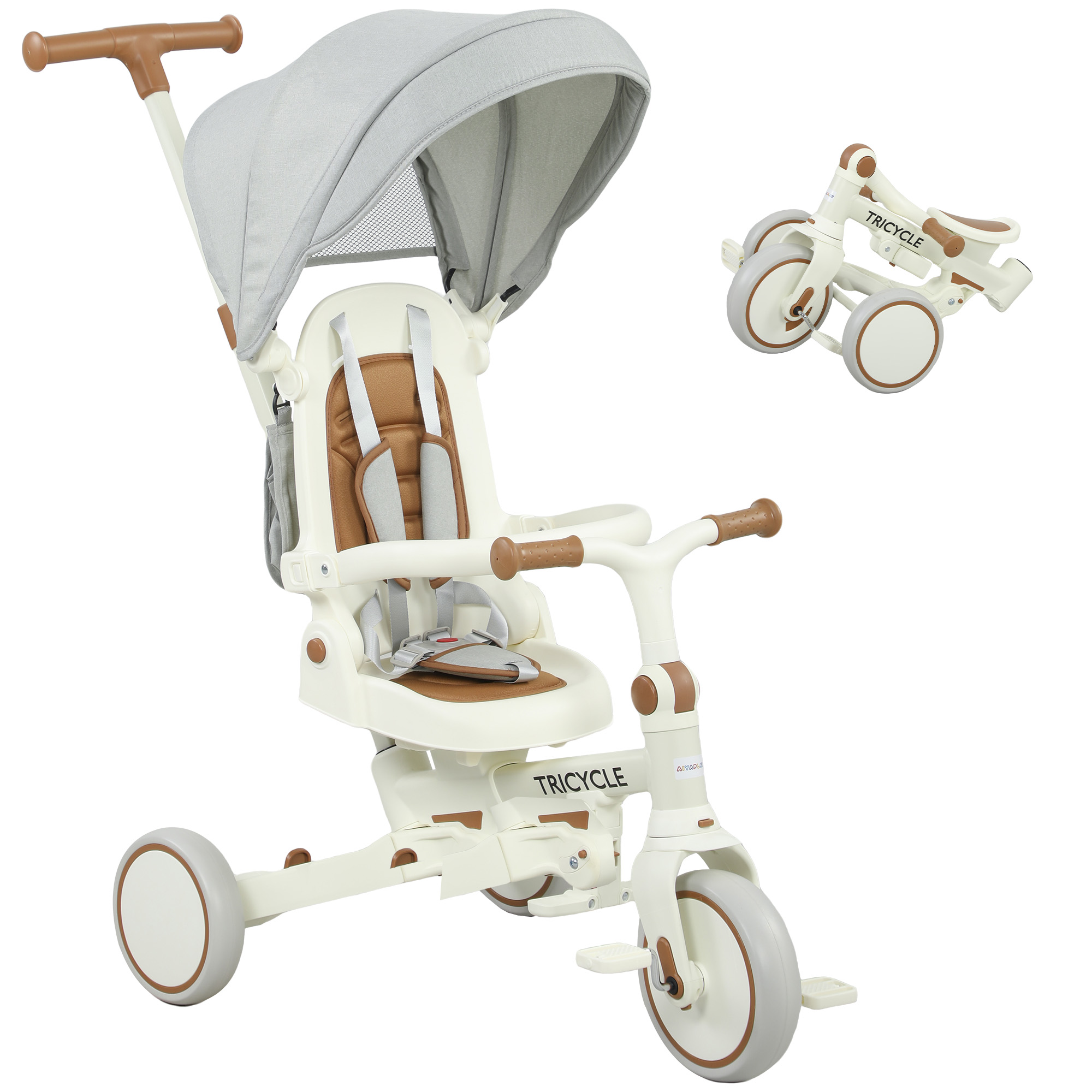
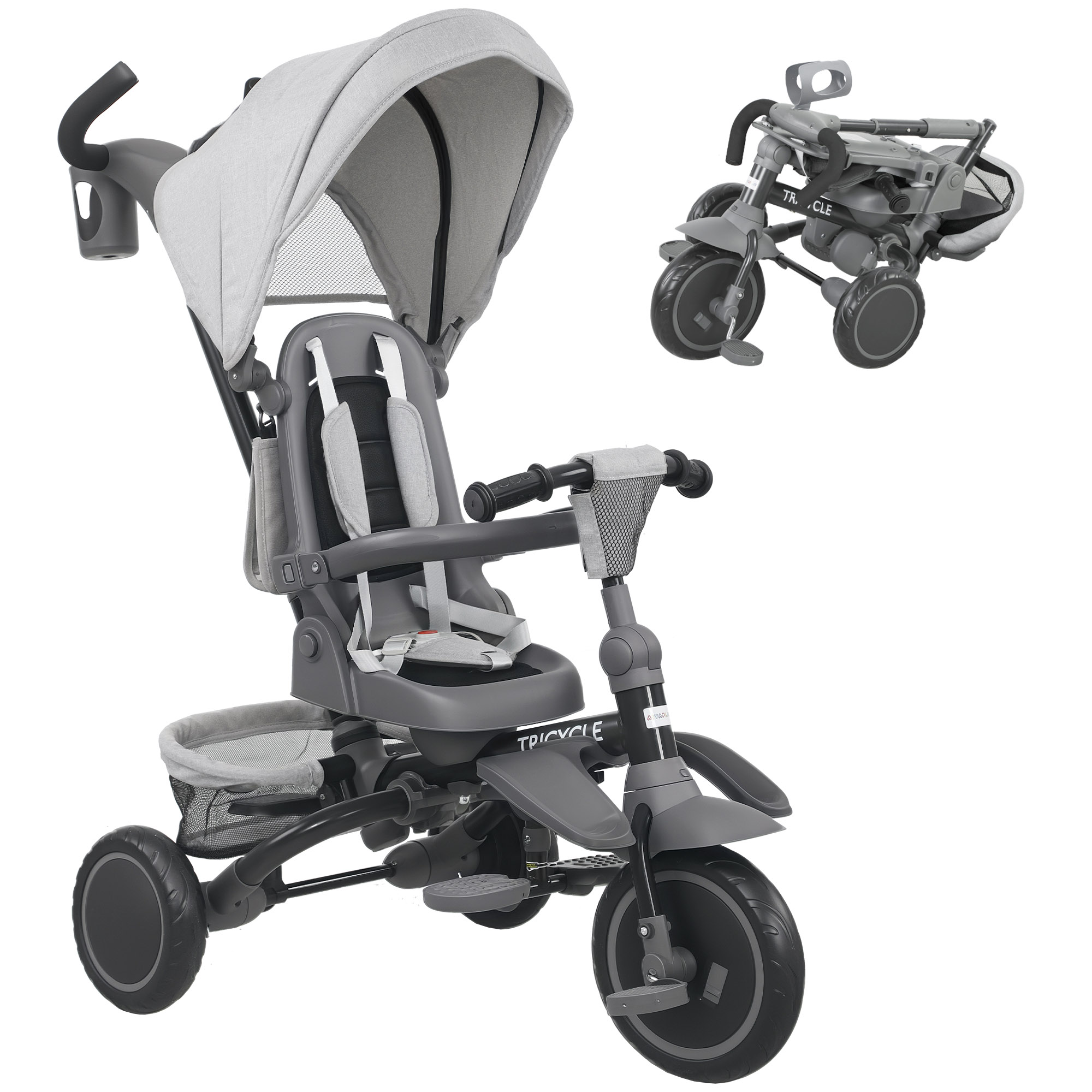
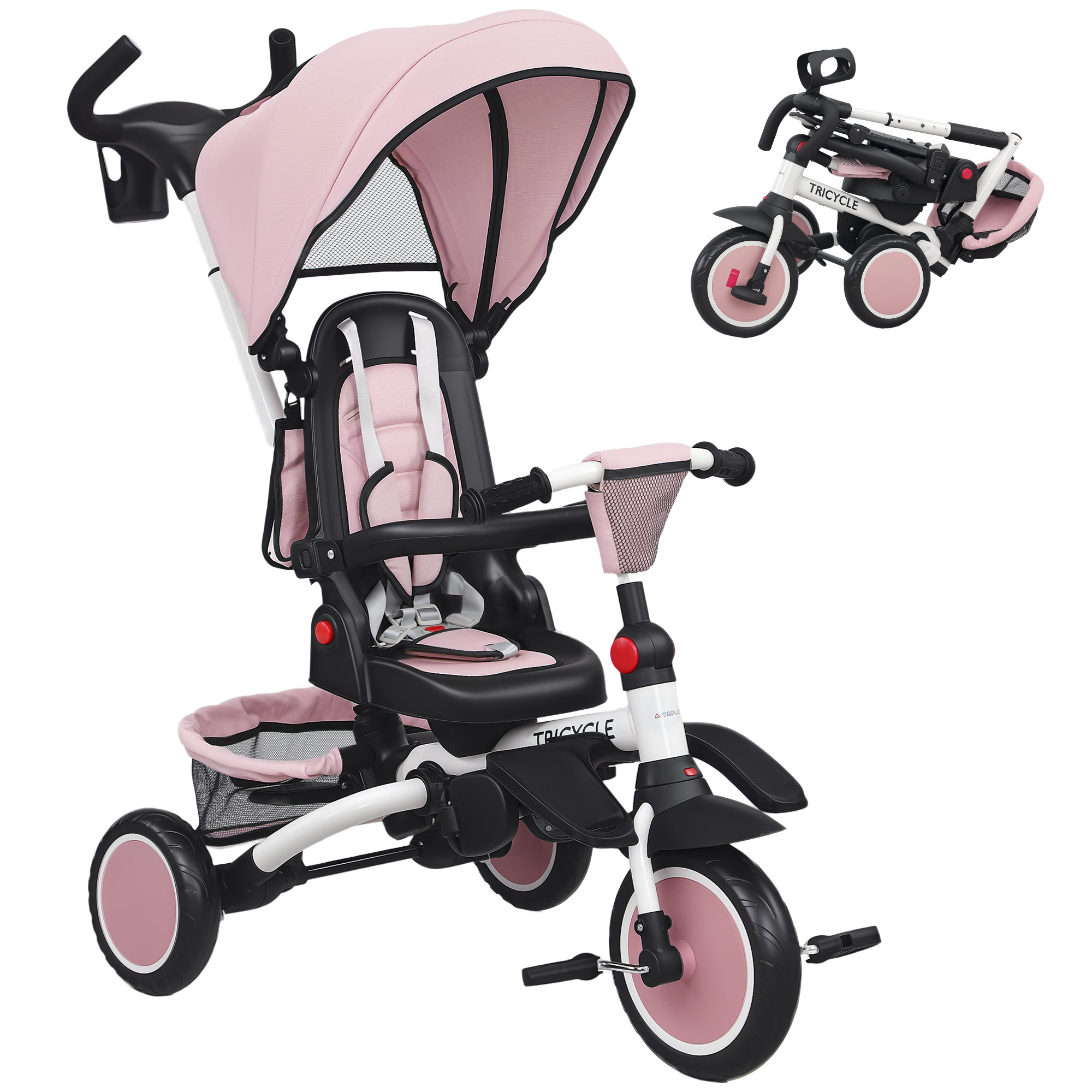
- 6-in-1 evolutionary tricycles – Combine different configurations and removable accessories for changing riding needs.
- Convertible tricycles – Offer adaptable components such as pedals, safety belts and removable accessories.
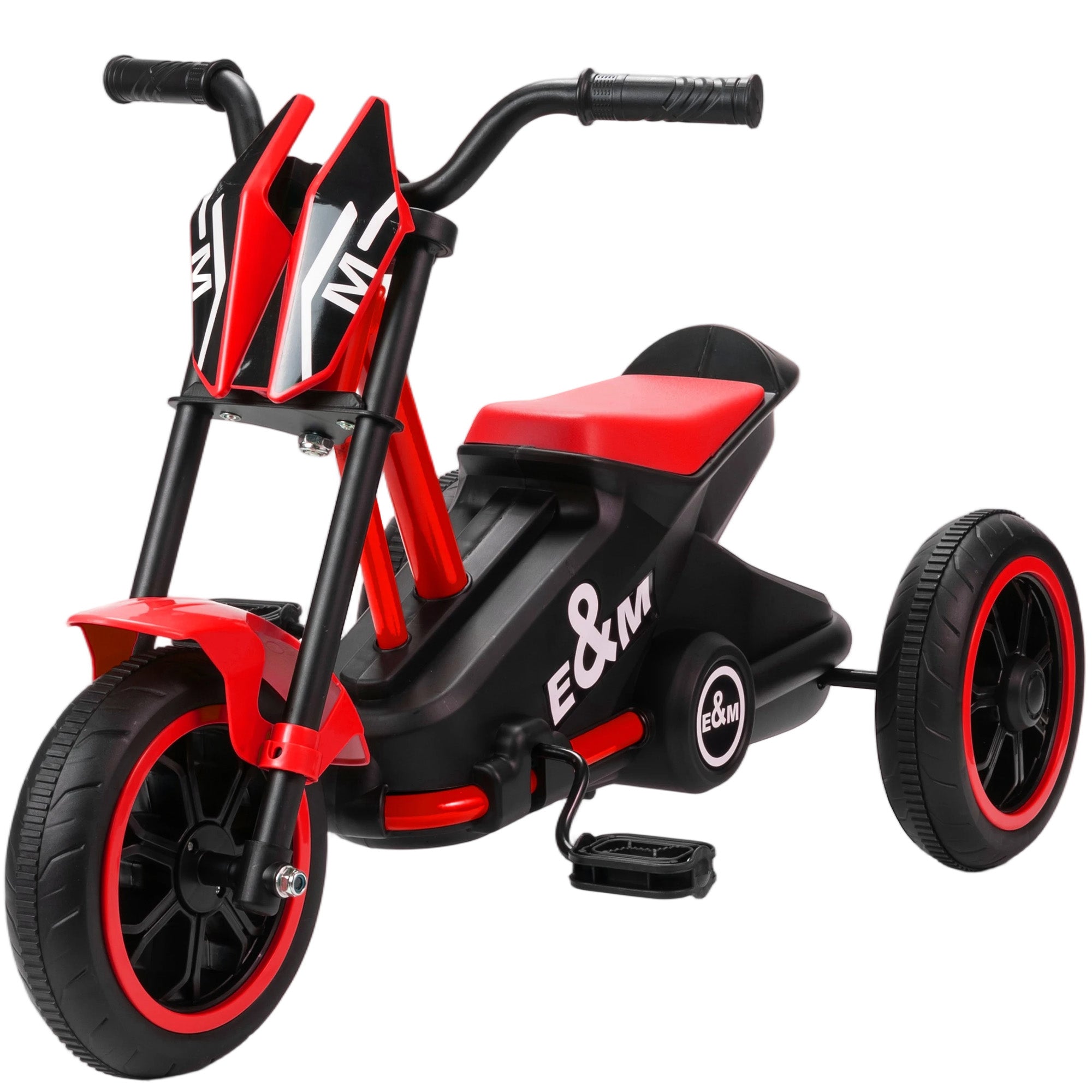
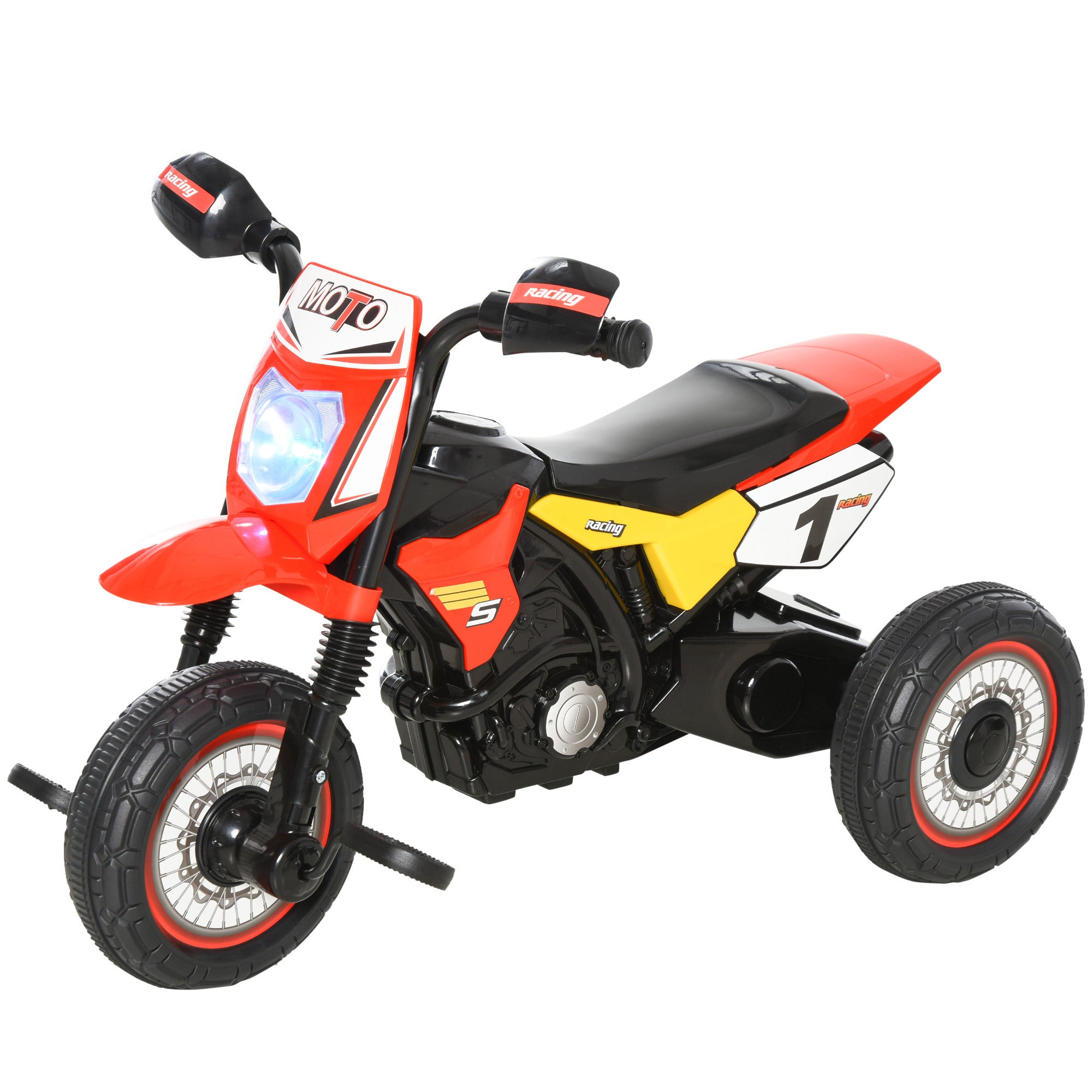
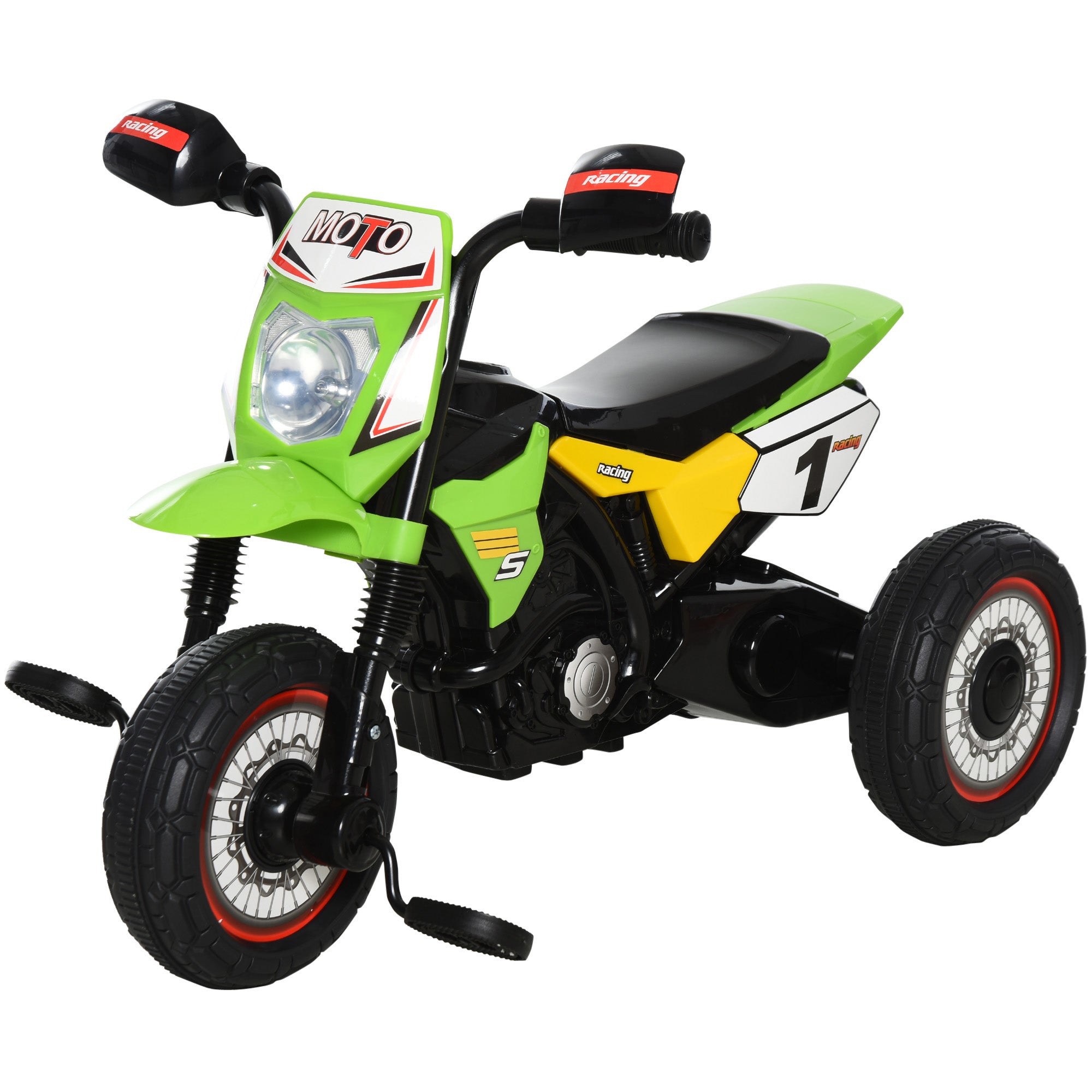
- Tricycle-style ride-on motorcycles – Combine a three-wheel structure with motorcycle-inspired styling, lights and sounds on selected models.
Evolutionary Tricycles: One Vehicle, Different Stages
An evolutionary tricycle is designed to offer more than one riding configuration. Instead of choosing a completely different vehicle as a child becomes more independent, selected models allow parents to adjust or remove certain components according to the manufacturer's instructions.
The HOMCOM 6-in-1 tricycle range includes configurations with parent push handles, safety harnesses, removable sun canopies, footrests, pedals and storage accessories. Selected versions also feature padded seats and cup holders.
This adaptable design makes it possible to use the tricycle in a parent-guided configuration first, then adjust the setup as the child becomes more comfortable with steering and pedalling. Always follow the product manual when changing configurations and check that all removable components are securely fitted before use.
Parent Push Handles for Shared Outings
A parent push handle gives adults a convenient way to guide a tricycle while keeping the child seated in their own vehicle. It is particularly useful when younger children are not yet ready to control their direction or movement independently.
Selected HOMCOM evolutionary tricycles feature rear push handles that allow parents to guide the vehicle. Depending on the model, the handle may be telescopic, adjustable or removable.
Before choosing a model, check the handle height and adjustment range to make sure it suits the adult using it. Also verify whether the handle controls the front wheel direction or simply provides pushing assistance, as the operating design varies between models.
Safety Belts and Protective Accessories
Some parent-push tricycles include additional seating features designed to help keep younger riders positioned correctly.
- Five-point safety harnesses – Secure the child according to the product's intended seating arrangement.
- Safety belts – Provide an additional restraint feature on selected models.
- Protective bars – Offer an additional barrier around the seating area where fitted.
- Footrests – Give younger children a place to rest their feet when they are not pedalling.
- Padded seats – Add cushioning for everyday riding comfort.
These features are not identical across all tricycles. Check the individual product description and use every restraint or accessory according to the manufacturer's instructions.
Adjustable Seats for Growing Children
A comfortable riding position starts with a seat that matches the child's size. Selected AIYAPLAY tricycles feature adjustable seats, allowing the position to be changed as children grow.
When selecting a tricycle, check whether your child can reach the pedals without stretching excessively. Their hands should also reach the handlebars comfortably, while their legs should have enough room to move through the pedalling cycle.
An adjustable seat provides additional flexibility, but it does not make every tricycle suitable for every age. Always consider the manufacturer's recommended age range, maximum load capacity and vehicle dimensions.
Pedals, Steering and Independent Riding
A traditional pedal tricycle allows children to operate the vehicle through their own movements. Pressing the pedals generates forward movement, while the handlebars control direction.
The three-wheel configuration provides a different riding experience from a two-wheel bicycle, as children do not need to balance the vehicle in the same way. This makes the tricycle a practical option for supervised outdoor play and early independent riding.
Selected AIYAPLAY models feature metal frames, adjustable seats, pedals, bells and front baskets. Their straightforward design makes them suitable for children who are ready to take a more active role in controlling their ride.
Storage Baskets and Everyday Extras
A small basket can make a tricycle even more enjoyable during everyday play. Children can carry a favourite toy, a small water bottle or other lightweight belongings while exploring their surroundings.
Selected models include front or rear baskets, bells and additional accessories. These practical details add convenience without changing the basic riding experience.
- Front baskets – Keep small toys and lightweight essentials within reach.
- Rear storage baskets – Provide additional space on selected tricycle designs.
- Bells – Add an interactive feature for little riders.
- Cup holders – Provide a designated place for a suitable drink container.
- Removable accessories – Allow selected configurations to be adapted according to the product instructions.
Canopies for Outdoor Adventures
Some evolutionary tricycles feature removable sun canopies that provide additional shade during outdoor use. Together with parent push handles and comfortable seating, these features make selected models suitable for supervised family outings.
Check whether the canopy is adjustable or removable and follow the manufacturer's instructions for positioning it. A canopy provides shade but does not replace appropriate sun protection, and the tricycle should not be left outdoors in harsh weather.
Choose the Right Tricycle for Their Age
The right tricycle depends on more than the child's age. Height, leg length, seating position and ability to operate the pedals and steering controls all influence how comfortably a child can use the vehicle.
- From 9–12 months – Selected parent-guided evolutionary tricycles are designed for younger children, with age-appropriate seating and restraint features.
- 12–36 months – Parent-push models and selected three-wheel ride-on designs offer different ways to enjoy early riding experiences.
- 18–36 months – Some traditional tricycles provide a suitable introduction to independent pedalling, subject to the child's development and product specifications.
- 2–5 years – Adjustable-seat pedal tricycles and convertible designs offer options for growing children.
These are general shopping references based on the age recommendations of products in the collection. Always follow the minimum and maximum age guidance, weight limits and safety instructions for the specific model.
Three Wheels for Different Riding Experiences
Although all tricycles share a three-wheel design, their construction and intended use can vary considerably. A traditional pedal tricycle, a parent-guided evolutionary model and a motorcycle-style ride-on are not interchangeable.
Before choosing, consider:
- Wheel arrangement – Check the front and rear wheel configuration and overall vehicle dimensions.
- Frame construction – Look at the frame material and the stability of the assembled structure.
- Seat position – Make sure the child can sit securely and reach the controls.
- Steering mechanism – Check whether steering is operated by the child or assisted by the parent push handle.
- Maximum load – Compare the stated weight capacity with the child's current weight.
A three-wheel structure offers a different type of support from a two-wheel bicycle, but it does not prevent tipping in every situation. Avoid sharp turns at speed, steep slopes and uneven surfaces.
Where Can Children Ride Their Tricycles?
A suitable riding environment helps children enjoy their tricycles while reducing unnecessary hazards. Choose clear, level areas with enough room to steer and stop.
- Gardens – Provide convenient space for supervised riding on suitable paths and flat surfaces.
- Private driveways – Can be suitable when separated from moving vehicles and other hazards.
- Parks – Offer opportunities for family outings where tricycle use is permitted.
- Indoor play areas – Selected compact models may be used on suitable smooth floors with enough clearance.
Avoid roads, steep slopes, steps, wet surfaces and areas with vehicle traffic. Check the manufacturer's recommended riding surfaces, particularly for models with smaller wheels.
Safety Tips for Little Riders
A tricycle should match the child's physical abilities and be used under appropriate adult supervision. Before each ride, inspect the vehicle and make sure all components are properly secured.
- Check the fit – Make sure the child can sit comfortably and reach the pedals and handlebars where applicable.
- Use restraints correctly – Fasten the supplied safety belt or harness according to the instructions.
- Inspect the wheels – Check wheel attachments and look for visible damage.
- Check the steering – Ensure the handlebars and front wheel move correctly.
- Secure removable parts – Check push handles, canopies and protective bars before use.
- Choose suitable surfaces – Avoid steep, slippery or uneven ground.
- Supervise children – Younger riders should always be accompanied by an adult.
A tricycle is not a substitute for a certified child restraint or a proper stroller when travelling in traffic. Never leave a young child unattended on a tricycle, even when a safety harness is provided.
Assembly and Everyday Care
Before the first ride, assemble the tricycle according to the supplied instructions. Pay particular attention to the steering assembly, wheels, pedals, seat, push handle and any safety accessories.
To keep the tricycle in good condition:
- Frame – Wipe away dirt and moisture with a soft cloth.
- Wheels – Check for wear, loose fittings and accumulated debris.
- Pedals – Make sure they move freely and remain securely attached.
- Steering – Inspect the handlebars and steering connections regularly.
- Safety harness – Check buckles, straps and attachment points for damage.
- Push handle – Inspect adjustment and locking mechanisms before use.
- Canopy and accessories – Check attachment points and remove dirt according to the care instructions.
Store the tricycle in a dry, sheltered place when not in use. Avoid prolonged exposure to rain and harsh weather, and periodically check all fastenings to make sure the vehicle remains suitable for use.
Make Their Next Little Adventure a Three-Wheel Ride
From a parent-guided 6-in-1 tricycle with a removable canopy to a traditional pedal model with an adjustable seat, basket and bell, the right design can make everyday outings and playtime more enjoyable.
Explore the HOMCOM and AIYAPLAY collection of children's tricycles at Aosom EU. Compare riding configurations, age recommendations, safety features and practical accessories to find a tricycle that suits your child's size, interests and stage of riding.