
Hamster Cages
A Better Habitat for Every Little Explorer
Hamsters may be small, but their daily needs are anything but simple. They spend much of their active time exploring, digging, nesting, running and collecting food. A suitable hamster cage should provide more than a place to sleep: it should offer enough usable floor space, room for appropriate bedding and opportunities for natural behaviours.
The PawHut hamster cage collection at Aosom EU includes wooden enclosures, metal wire cages, multi-level habitats and designs with transparent viewing panels. Selected models also feature exercise wheels, ramps, tunnels, hideouts, feeding bowls and removable trays. Whether you are preparing a first hamster home or upgrading an existing enclosure, choosing the right structure and layout is essential for creating a practical living environment.
Choose Space Before Extra Levels
When selecting a hamster cage, floor space should take priority over the number of platforms or levels. Hamsters need room to move around, explore, forage and arrange their bedding into different areas. A tall cage with several small platforms does not necessarily provide the same usable space as a larger enclosure with a generous continuous floor area.
The Aosom collection includes compact habitats as well as larger enclosures, with different dimensions and internal configurations.
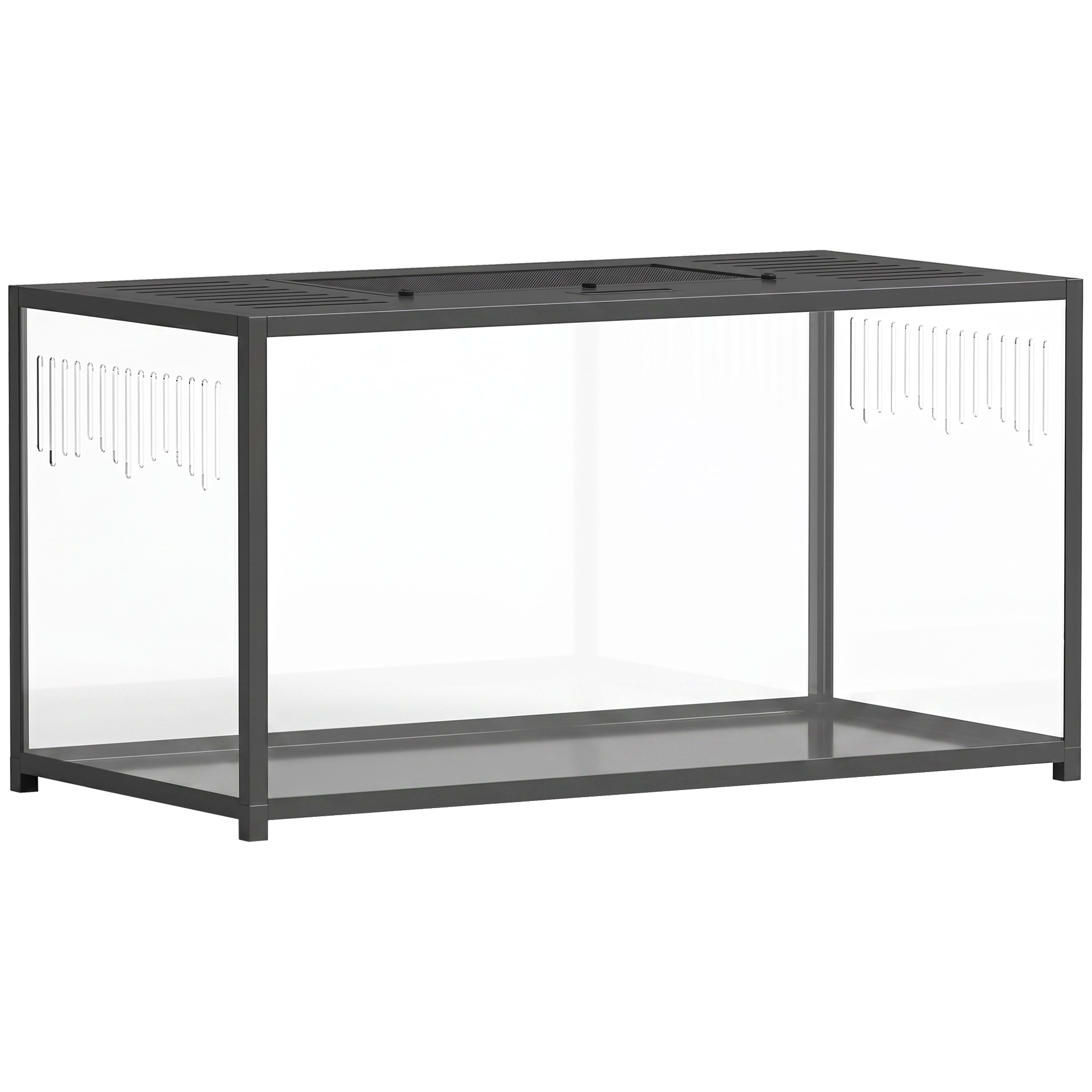
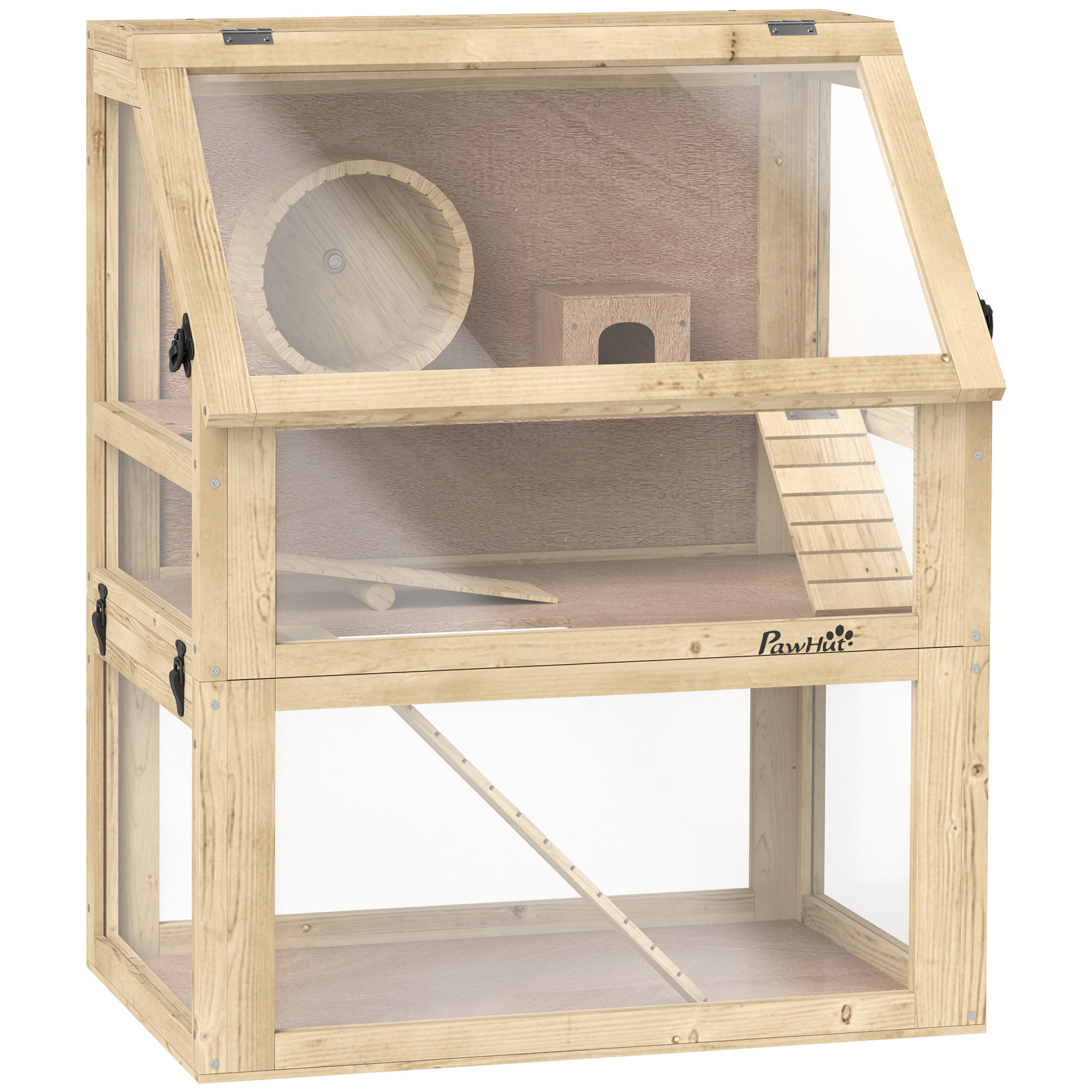
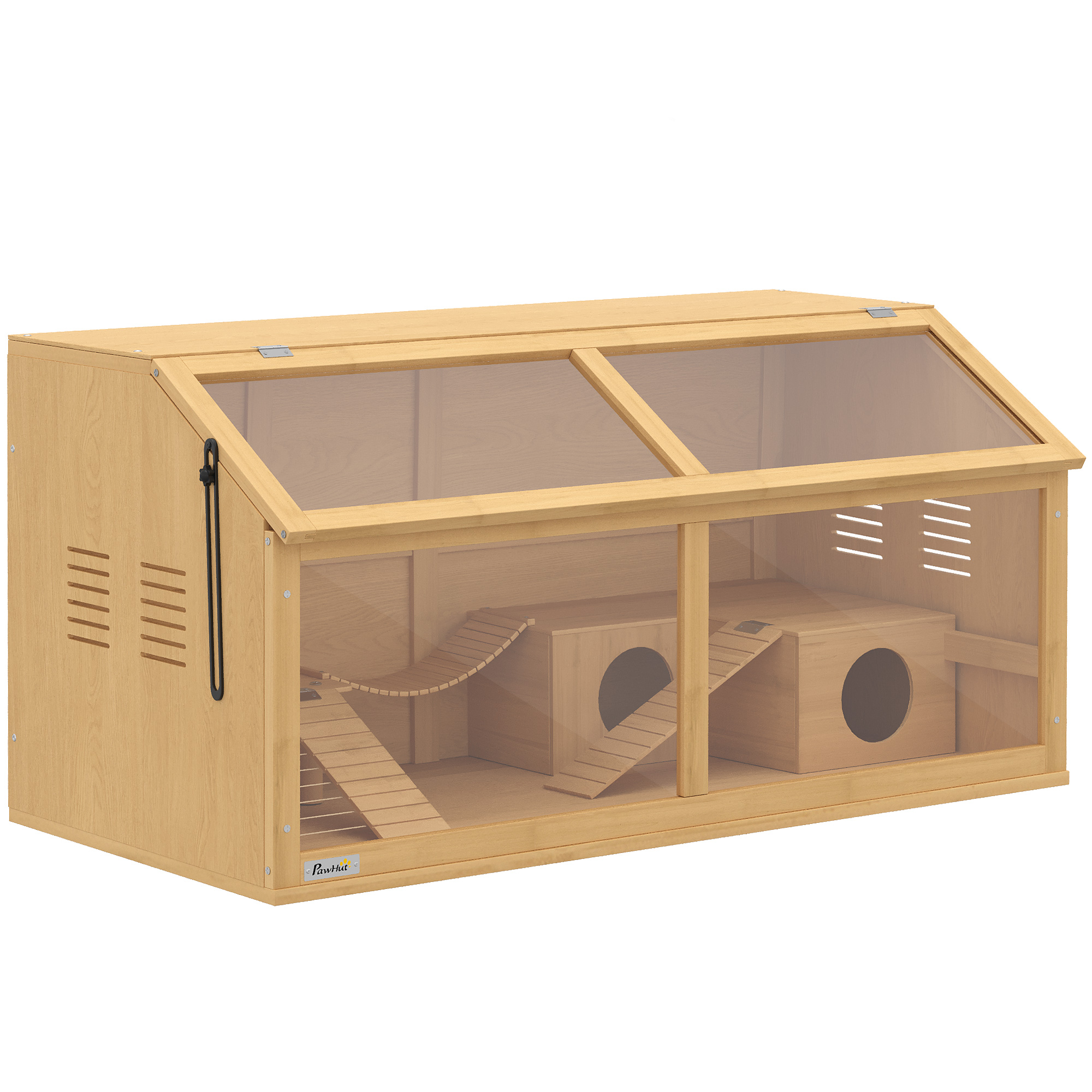
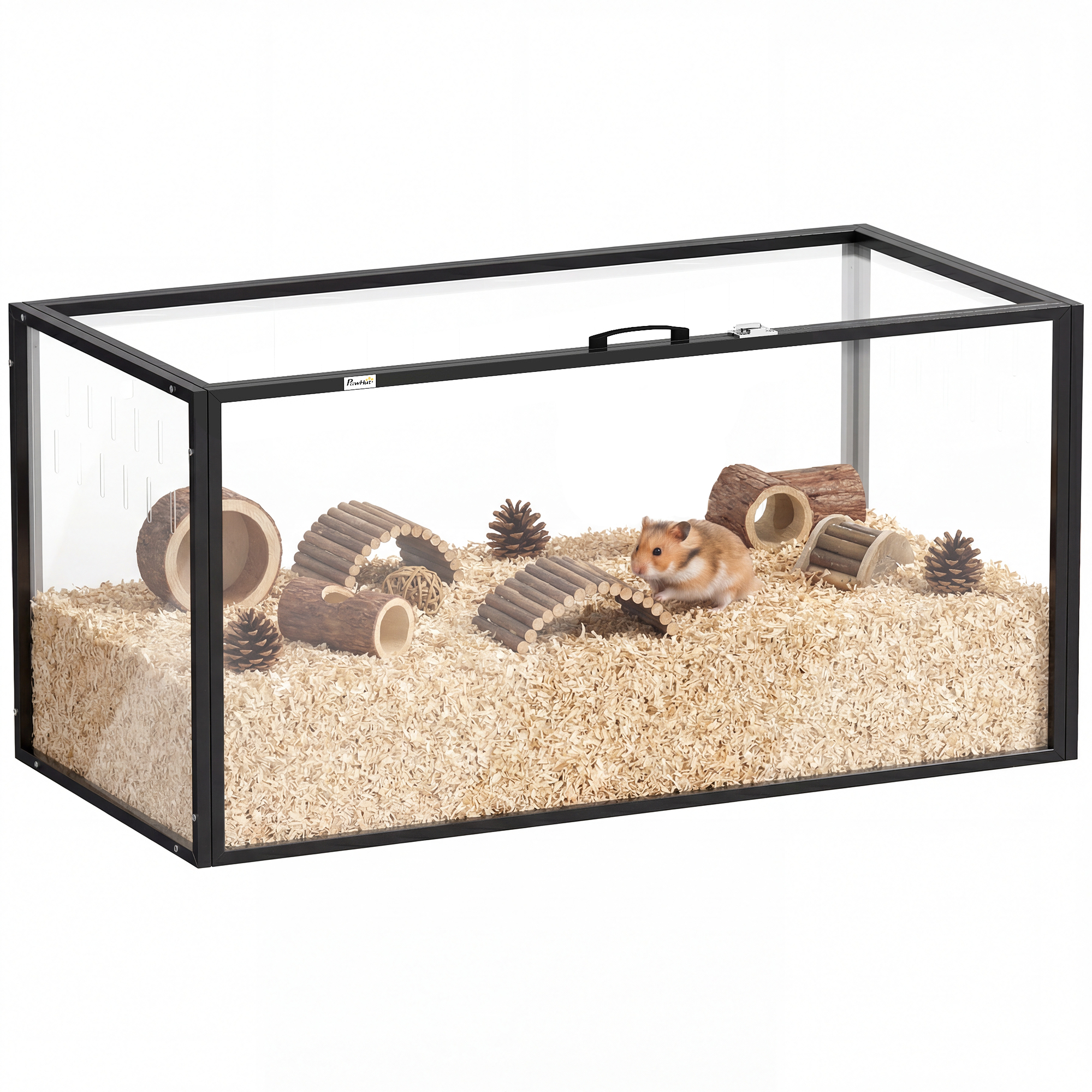
For example, the PawHut Large Hamster Cage measuring 105 x 51 x 53 cm offers a wider main enclosure with transparent acrylic panels and a ventilated top. The PawHut Wooden Hamster Cage measuring 100 x 50 x 84 cm provides a different arrangement with multiple levels, a viewing window, a running wheel and a hideout.
Before purchasing, compare the usable internal floor dimensions rather than relying only on the external height or total number of levels. Also consider how much room will remain after adding bedding, a suitable wheel, shelters and other enrichment accessories.
Room to Dig and Burrow
Digging is a natural hamster behaviour, so bedding is an essential part of the enclosure rather than simply a decorative base layer. A suitable habitat should allow enough depth for your hamster to create tunnels, build nests and establish a comfortable sleeping area.
Look for an enclosure with a solid base and sufficient internal depth to accommodate an appropriate layer of bedding. A shallow tray may restrict the amount of substrate that can be added, even if the cage itself looks spacious.
When planning the interior:
- Provide deep bedding – Choose an appropriate substrate and allow enough depth for digging and burrowing.
- Create nesting areas – Include suitable nesting materials such as shredded paper and other hamster-safe options.
- Keep the floor solid – Avoid exposed wire-mesh flooring that can injure small feet.
- Leave room for exploration – Do not fill every available area with platforms and accessories.
- Keep the bedding dry – Replace soiled or damp sections as needed.
As a useful welfare reference, the RSPCA recommends providing a substantial depth of suitable bedding to support natural burrowing behaviour. The amount your enclosure can accommodate should be checked before choosing a particular model.
Wooden, Metal or Transparent Enclosures?
The enclosure construction influences visibility, ventilation, access and everyday maintenance. The PawHut collection includes different combinations of wood, metal and transparent panels, each with its own design characteristics.
- Metal wire cages – Feature mesh or barred sections that can provide ventilation and visibility. Check bar spacing carefully to prevent escape or entrapment.
- Transparent panel enclosures – Allow you to observe your hamster and monitor its activities more easily.
- Wooden structures – Feature a furniture-style appearance and may incorporate platforms, ramps and viewing panels. Check that the construction is safe, secure and suitable for the intended animal.
- Metal and plastic combinations – Combine different materials for the enclosure, accessories and internal activity structures.
Do not choose an enclosure based on appearance alone. Solid sides can restrict airflow if ventilation is insufficient, while wire construction needs appropriately spaced bars and safe flooring. Wooden construction also requires particular attention to chewing damage, moisture absorption and cleaning.
The RSPCA specifically advises careful consideration of cage construction and recommends secure, well-ventilated housing with a solid floor. Its guidance also cautions against wooden cages. Check current animal-welfare recommendations before deciding whether a particular construction is appropriate for your hamster.
Clear Viewing Panels for Everyday Observation
Transparent panels make it easier to observe your hamster without constantly opening the enclosure. They can also provide a clearer view of internal platforms, tunnels and nesting areas.
Selected PawHut wooden hamster cages feature acrylic viewing panels, including the 3-Level Wooden Hamster Cage with House, Wheel, Ramps and Clear Panel.
These panels can help you monitor your pet's general activity and check whether accessories are positioned correctly. However, transparent walls should not come at the expense of ventilation or suitable bedding depth.
When choosing a model, check how much of the enclosure is ventilated, where the air openings are positioned and whether the viewing panels provide convenient access for routine cleaning.
Multi-Level Cages and Internal Platforms
Platforms and ramps can add variety to a hamster enclosure, providing additional areas for placing lightweight accessories and creating different activity zones. However, more levels do not automatically mean a better habitat.
The PawHut collection includes two-tier, three-tier and five-tier wooden and metal designs, with selected models featuring multiple platforms, ladders and connecting ramps.
- Platforms – Create additional usable surfaces for suitable accessories.
- Ramps – Connect different levels where the design allows safe access.
- Bridges – Add variety to the internal layout.
- Hideouts – Provide sheltered spaces for resting and nesting.
- Low-level activity areas – Help create accessible zones without relying on excessive climbing height.
Arrange platforms at sensible heights and avoid exposed drops onto hard surfaces. Hamsters have limited depth perception, so ramps and raised sections should be positioned carefully. A spacious main floor remains more important than adding numerous elevated levels.
Exercise Wheels and Everyday Enrichment
An exercise wheel can provide an important opportunity for hamsters to run, particularly during their active hours. Some PawHut cages include a running wheel, while others offer enough space for owners to select and install a suitable accessory separately.
When choosing a wheel, make sure its diameter is appropriate for the hamster's species and size. The running surface should be solid rather than wire, and the wheel should allow the animal to run without arching its back.
Other useful enrichment options include:
- Tunnels and tubes – Provide routes for exploration and movement.
- Hideouts and nesting boxes – Create sheltered spaces for resting.
- Chew-safe accessories – Give hamsters suitable opportunities to gnaw.
- Foraging areas – Encourage natural food-searching behaviours.
- Bridges and suitable platforms – Add variety to the enclosure layout.
Some PawHut models include integrated tube systems, running wheels, feeding bowls and water bottles. Check that every accessory is appropriate for the hamster's size and that tunnels do not create narrow, difficult-to-clean spaces.
Ready-to-Use Accessories and Feeding Stations
A cage with included accessories can simplify the initial setup, particularly for first-time small-pet owners. Selected PawHut hamster habitats come with several practical components.
- Food bowls – Provide a designated place for daily feeding.
- Water bottles – Offer a convenient drinking point when correctly installed.
- Exercise wheels – Provide opportunities for running.
- Houses and hideouts – Create sheltered resting areas.
- Ramps and platforms – Connect different sections of selected habitats.
- Tunnel systems – Add enclosed routes for exploration.
For example, the PawHut 3-Level Hamster Cage with 14 Tubes includes a tube system, house, ramp, bowls and water bottle. Other models feature simpler arrangements with a wheel, hideout and feeding station.
Remember that included accessories do not automatically make a cage fully equipped for every hamster. Check whether the wheel diameter, hideout dimensions, bedding depth and other essentials meet the needs of your particular animal.
Top-Opening Doors and Easy Access
Access points influence how easily you can feed your hamster, refill its water bottle and maintain the enclosure. A well-positioned opening can make routine care more convenient without requiring the entire cage to be dismantled.
Selected PawHut models feature hinged mesh roofs, top-opening lids, front doors and additional access panels.
- Top-opening lids – Provide access from above for cleaning and arranging accessories.
- Front doors – Make certain areas easier to reach during routine maintenance.
- Hinged mesh roofs – Combine an opening mechanism with ventilated upper sections on selected models.
- Multiple access points – Can make it easier to reach different parts of larger enclosures.
Check that every door closes securely and that the openings are appropriately sized. Hamsters are capable climbers and can squeeze through surprisingly small gaps, so a secure enclosure is essential.
Removable Trays for Easier Cleaning
Cleaning should be manageable without completely disturbing the hamster's living environment. Selected PawHut cages feature removable trays or pull-out bases that help make routine maintenance more convenient.
The collection includes wooden and metal habitats with removable trays, allowing soiled bedding and waste to be accessed more easily.
Before choosing a model, consider:
- Tray depth – Check whether the base can accommodate the bedding depth required.
- Access mechanism – Make sure the tray can be removed without difficulty.
- Material – Consider how easily the surface can be cleaned and dried.
- Tray security – Check that the base fits securely during everyday use.
- Internal access – Consider whether corners and enclosed sections can be reached for cleaning.
A removable tray is a practical feature, but it should not encourage excessive full-cage cleaning. Spot cleaning soiled bedding and removing uneaten fresh food regularly can help maintain hygiene while preserving familiar nesting scents.
Choose a Cage for Your Hamster's Species
Not all small rodents have the same housing requirements. Although some cages in this collection are marketed for hamsters, mice and gerbils, the suitability of a particular model depends on the animal's species, size and behaviour.
- Syrian hamsters – Need a suitably spacious enclosure with appropriate bedding depth, a secure structure and accessories sized for a larger hamster.
- Dwarf hamsters – Need appropriately sized openings, suitable wheel dimensions and secure enclosure construction to prevent escapes.
- Gerbils – Have different digging and housing requirements, so a hamster cage should not automatically be considered suitable.
- Mice – Require particular attention to bar spacing and escape prevention.
Always check the product's stated species compatibility and compare it with reliable species-specific welfare guidance. A cage marketed for several small animals does not necessarily provide the ideal environment for all of them.
Where to Position Your Hamster Cage
The location of the enclosure can influence your hamster's comfort and daily routine. Hamsters are generally most active during the evening and night, so a suitable position should allow them to rest undisturbed during the day.
- Choose a quiet room – Avoid placing the enclosure beside televisions, loud speakers or frequently used appliances.
- Avoid direct sunlight – Position the cage away from windows where strong sunlight could cause overheating.
- Keep away from draughts – Avoid exposed doorways, air-conditioning outlets and damp locations.
- Maintain a stable environment – Avoid sudden temperature changes and excessive humidity.
- Provide suitable access – Position the enclosure where feeding and routine cleaning can be carried out easily.
A secure, stable location helps create a more consistent environment and makes it easier to maintain the enclosure.
Hamster Cage Safety Checklist
Before introducing a hamster to a new enclosure, inspect the complete structure and make sure its design is suitable for the intended animal.
- Secure construction – Check doors, lids and fastening points to prevent escapes.
- Appropriate bar spacing – Make sure the animal cannot squeeze through the gaps.
- Solid flooring – Avoid exposed wire-mesh floors.
- Safe platforms – Remove or adjust arrangements that create dangerous fall heights.
- Stable ramps – Check that climbing sections are securely positioned.
- Suitable accessories – Confirm that wheels, tunnels and hideouts are appropriately sized.
- Chew-resistant construction – Inspect vulnerable materials and areas for damage.
- Ventilation – Make sure the enclosure provides adequate airflow.
A multi-level cage should not be treated as a substitute for adequate floor space. If the enclosure cannot accommodate suitable bedding, hiding places and enrichment without overcrowding, consider a different design.
Simple Cleaning and Maintenance
A clean enclosure supports a more comfortable living environment, but cleaning should be carried out thoughtfully. Hamsters rely heavily on familiar scents, and replacing all bedding too frequently can cause unnecessary disturbance.
- Spot cleaning – Remove wet bedding, soiled areas and uneaten fresh food every few days or as needed.
- Water bottles – Check water levels and clean drinking equipment regularly.
- Food bowls – Remove leftover fresh food and wash feeding containers.
- Running wheels – Remove accumulated dirt and check that the wheel rotates freely.
- Removable trays – Clean and dry the base before replacing suitable bedding.
- Wooden components – Inspect for chewing damage and moisture absorption.
- Metal components – Check for rust, loose connections and damaged surfaces.
- Doors and hinges – Make sure access points continue to close securely.
A deeper clean may be needed periodically depending on the enclosure size and how quickly it becomes soiled. Retain some clean, familiar bedding where appropriate and avoid disturbing the hamster while it is sleeping.
Build a More Suitable Home for Your Hamster
From spacious wooden habitats with transparent viewing panels to practical metal cages with removable trays and integrated accessories, the right enclosure should support your hamster's everyday needs while making routine care easier.
Explore the PawHut collection of hamster cages at Aosom EU, including wooden hamster habitats, multi-level enclosures, metal cages and models with wheels, ramps, hideouts and feeding accessories. Compare the usable floor dimensions, bedding capacity, ventilation, access points and included equipment to find a suitable home for your small pet.