
Small Animal Cages
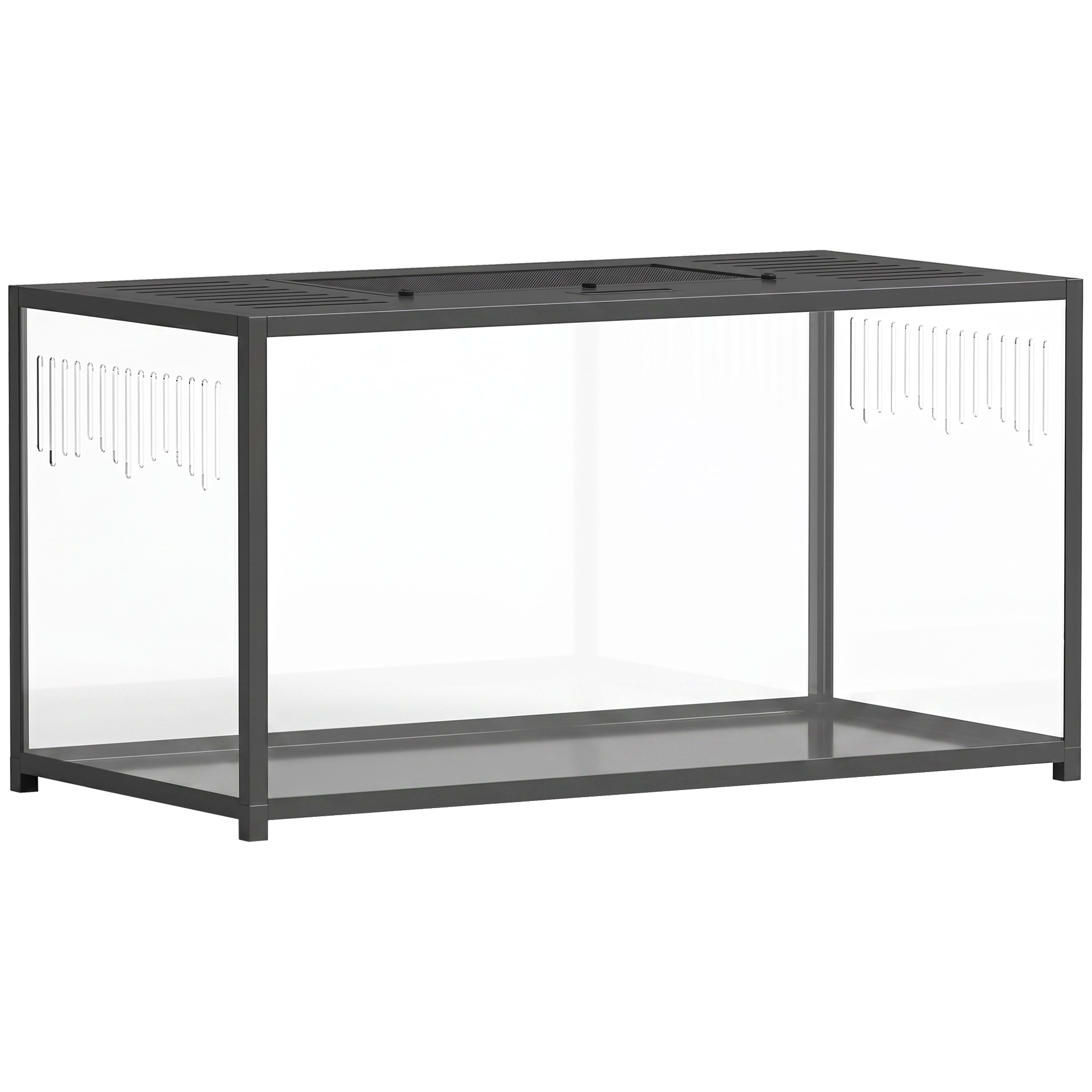
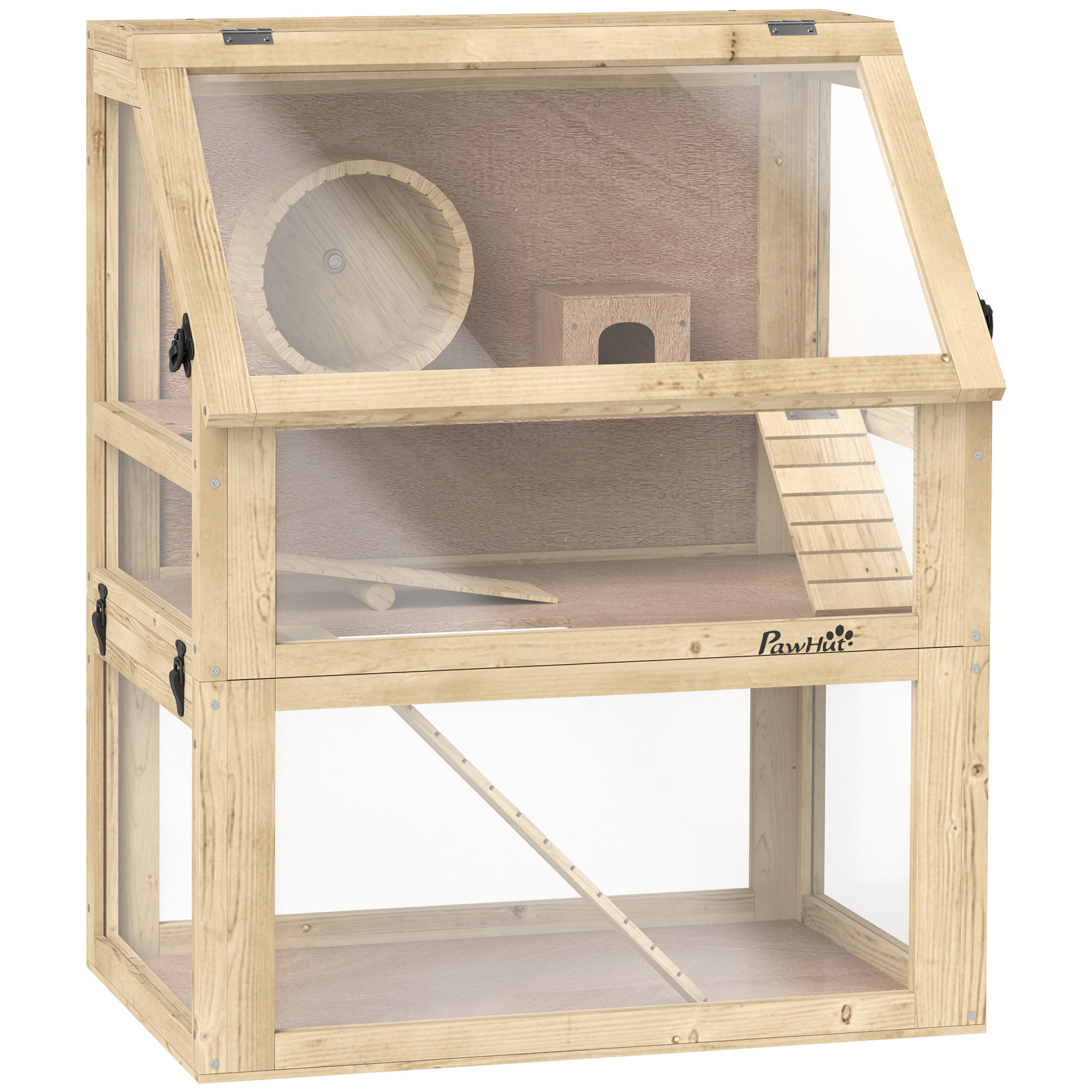
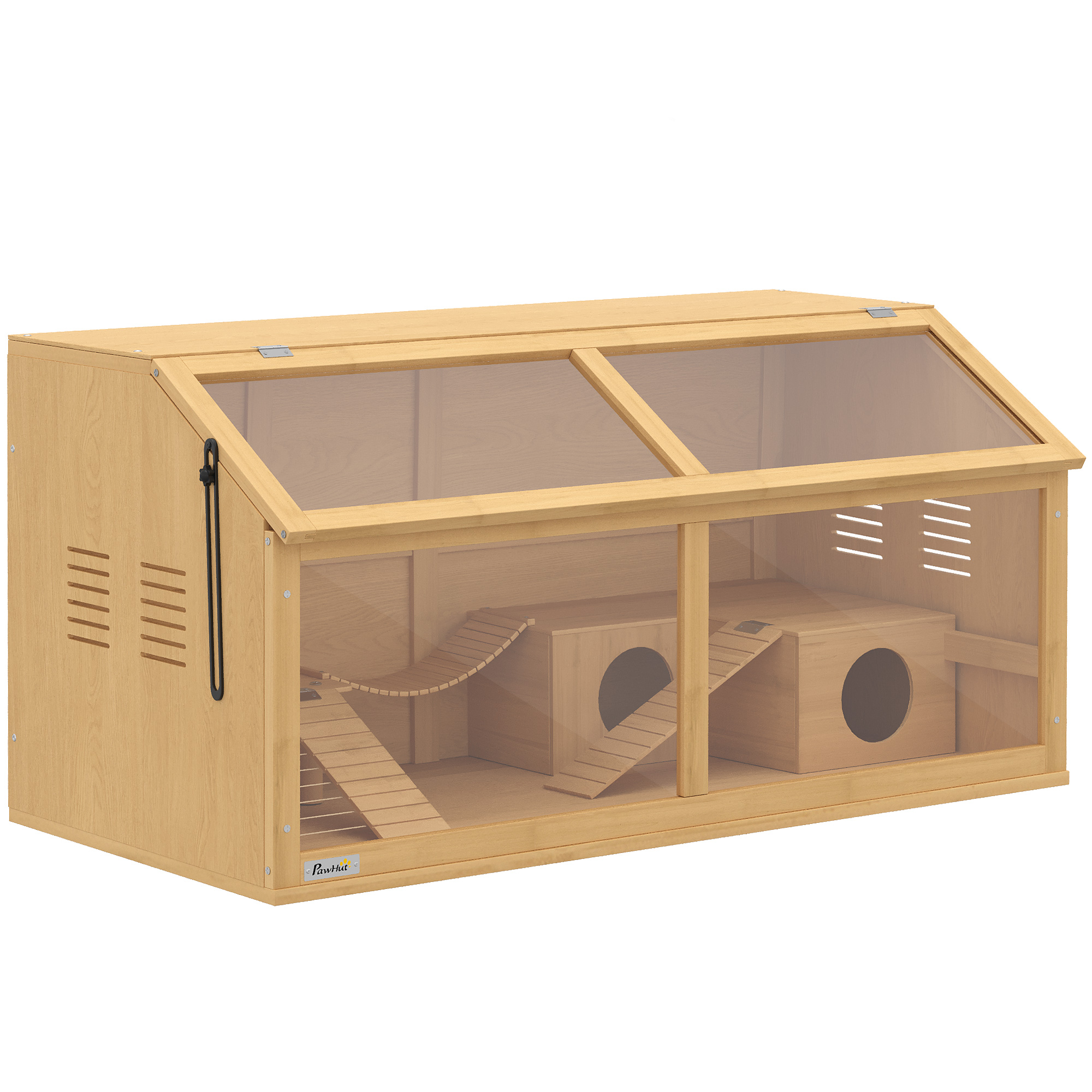
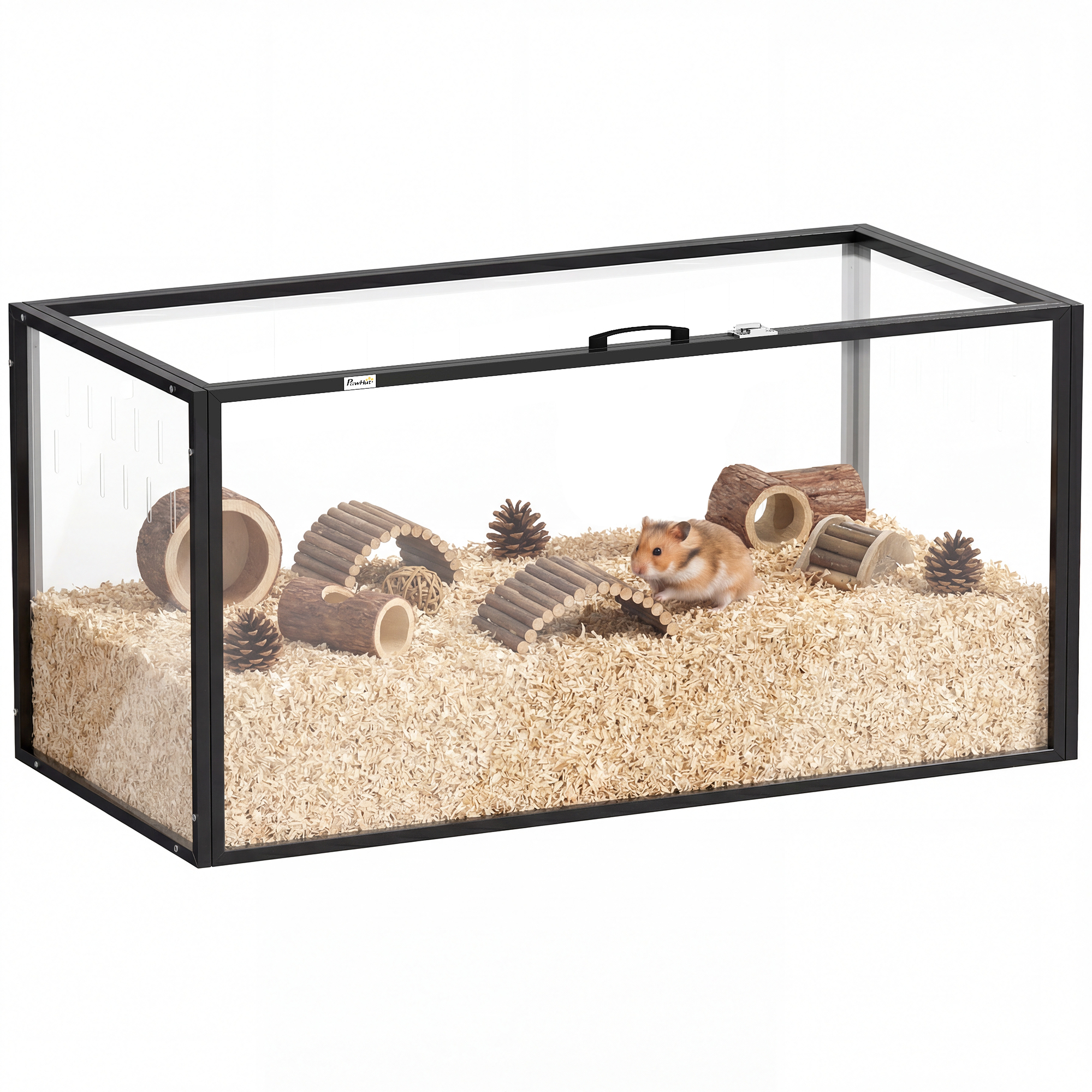
More Than a Cage: Create a Habitat for Every Small Animal
A small animal's home is more than an enclosure. It is where they rest, explore, feed, move around and retreat when they need a quieter environment. The right small animal cage should provide a suitable combination of usable floor space, secure construction, ventilation and accessible areas for everyday care.
Different animals have different living habits, which means one cage design will not suit every small pet. Hamsters benefit from an environment that accommodates burrowing and exploration, while rabbits need room to move, stretch and access a separate resting area. From multi-level hamster habitats to spacious wooden rabbit hutches with outdoor runs, choosing the right enclosure starts with understanding the animal that will use it.
Choose a Habitat According to the Animal's Natural Behaviour
Small animals may share a category, but their housing requirements are not interchangeable. The layout, dimensions, floor surface and internal features should reflect the species rather than simply the overall size of the cage.
- Hamsters – Benefit from suitable floor space, deep bedding areas, hiding places and opportunities to explore
- Rabbits – Need generous usable space for movement, stretching, resting and daily activity
- Guinea pigs – Need accessible floor space, secure hiding areas and suitable ventilation
- Gerbils and other small rodents – Require species-appropriate enclosures with suitable substrates, shelters and secure construction
Always check the individual product dimensions and suitability information before purchasing. A multi-level design may add useful activity space, but additional levels do not automatically replace the floor area an animal needs.
Build an Engaging Environment for Hamsters
Hamsters are active, curious animals that benefit from an environment where they can explore, hide and engage in natural behaviours. Their enclosure should offer more than a feeding bowl and a sleeping house.
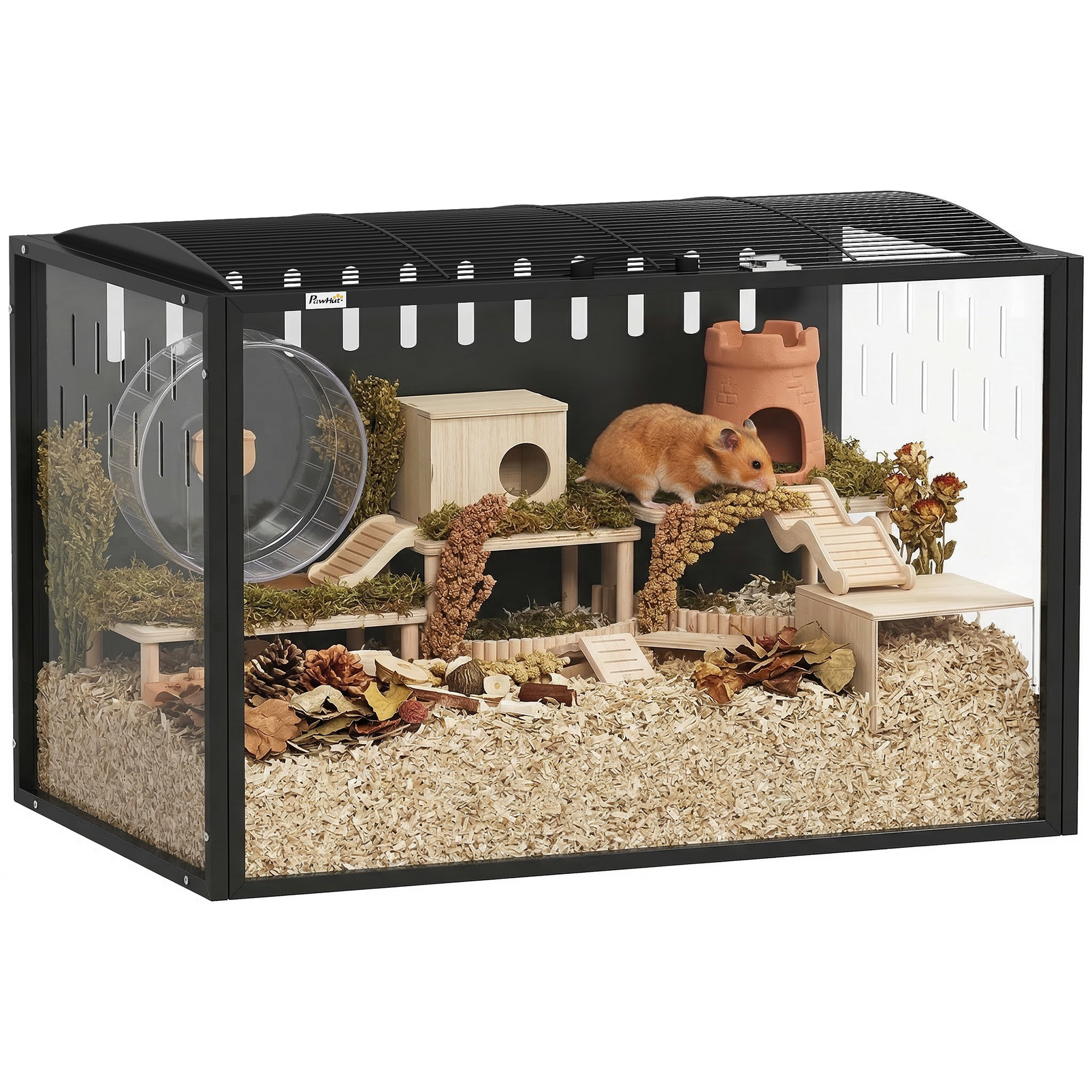
Explore hamster cages and multi-level rodent habitats with features such as viewing panels, platforms, ramps, exercise wheels, hideouts and removable trays.
The current collection includes wooden hamster cages with clear acrylic viewing panels, multi-tier designs with ramps and platforms, and metal-frame enclosures with ventilated tops. Selected models also include storage shelves, opening roofs and integrated feeding accessories.
For example, a multi-level wooden hamster habitat with a viewing window allows owners to observe activity while providing separate areas for resting and exploration. A model with an opening mesh lid can also make routine access and cleaning more convenient.
Floor Space and Bedding Depth Matter
One important consideration when choosing a hamster cage is the usable floor area. A tall cage with several platforms may look spacious, but the uninterrupted base area is equally important for everyday movement and natural behaviours.
Check the internal dimensions rather than relying only on the external measurements. Consider whether the base can accommodate an appropriate bedding depth, a suitable exercise wheel, a hideout, food and water stations without leaving the animal with very little open space.
A secure, well-ventilated enclosure with a suitable base is generally easier to adapt to different habitat layouts. Avoid overcrowding the interior with accessories simply because the cage has several levels.
Give Rabbits Room to Move Beyond Their Sleeping Area
A rabbit hutch should provide a sheltered place to rest while allowing enough room for movement and daily activity. An enclosure that combines a protected sleeping compartment with an attached run can offer a more varied environment than a small enclosed sleeping box alone.
Discover wooden rabbit hutches and outdoor rabbit enclosures with features including elevated sleeping houses, ramps, enclosed runs, opening roofs, lockable doors and removable cleaning trays.
The range includes compact hutches for more limited spaces as well as larger two-level designs with connected activity areas. Selected models feature waterproof asphalt roofs, weather-resistant wooden frames and wire-mesh sections to provide visibility and airflow.
When comparing rabbit hutches, pay attention to the dimensions of both the enclosed shelter and the attached run. The total external size alone does not show how much usable space is available inside each section.
Indoor or Outdoor? Choose the Right Hutch for Its Location
A rabbit enclosure designed for indoor use may have different practical requirements from one intended for a garden. Indoor models often benefit from wheels, removable trays and easy-access doors, while outdoor hutches need appropriate protection against rain, wind and other environmental conditions.
For indoor environments, consider wooden hutches with pull-out trays, accessible roofs and lockable wheels. These features can simplify feeding, cleaning and repositioning without having to dismantle the enclosure.
For outdoor use, look for a weather-resistant frame, a suitable roof, secure doors and a sheltered resting compartment. A waterproof roof helps protect the enclosure from rainfall, but it does not make the entire structure maintenance-free or suitable for every weather condition.
Position outdoor hutches in a sheltered location away from direct exposure to extreme weather. Provide adequate shade, protection from wind and rain, and access to fresh air. Regularly inspect timber, roofing, mesh and fixings for signs of deterioration.
Make Multi-Level Designs Work More Effectively
Multi-level cages can create separate areas for resting, feeding and exploration within a compact footprint. Platforms and ramps help connect different sections, while additional access points make it easier to reach individual areas.
The current range includes several designs with two, three, four or even five levels, particularly among hamster and small rodent enclosures. Some metal cages also feature lockable wheels, removable trays and integrated feeding accessories.
When selecting a multi-level enclosure, pay attention to ramp width, slope, surface grip and platform accessibility. The layout should suit the animal's mobility and should not rely on difficult climbs to reach essential resources.
Provide suitable resting and hiding areas on accessible levels, and make sure the enclosure can be cleaned thoroughly without leaving inaccessible corners.
Keep Feeding and Drinking Areas Easy to Access
Food and water should be positioned where animals can reach them comfortably without navigating unnecessary obstacles. Integrated feeding bowls, hay feeders and water bottles can make enclosure organisation more straightforward.
Selected small animal cages in the collection include feeding stations, water bottles, hay dispensers and removable accessories. These features can reduce the need for separate attachments, but their placement should still be checked after assembly.
Make sure water containers are securely fitted and functioning correctly. Clean feeding accessories regularly and remove uneaten food before it becomes contaminated or spoiled.
Design a Cleaner Habitat with Removable Trays and Easy Access
Cleaning is one of the most important parts of maintaining a small animal enclosure. Removable trays, opening roofs and multiple access doors can make routine maintenance easier by reducing the need to move the entire cage.
Look for pull-out cleaning trays, removable base sections and accessible doors when comparing different models. These features are particularly useful in multi-level cages, where reaching the lower section can otherwise become inconvenient.
- Removable trays – Make it easier to remove soiled bedding and clean the base
- Opening roofs – Provide convenient access to the interior for feeding and maintenance
- Multiple doors – Help reach different sections of larger enclosures
- Removable accessories – Make food bowls, bottles and smaller components easier to clean
- Lockable wheels – Allow selected indoor cages to be repositioned and secured in place
Clean the enclosure according to the animal's needs and the manufacturer's instructions. Use pet-safe cleaning products, rinse surfaces thoroughly where necessary and ensure everything is completely dry before replacing bedding and accessories.
Choose Materials for Durability and Everyday Maintenance
The material of a small animal cage affects its weight, visibility, cleaning requirements and resistance to wear. The current range includes wooden frames, metal wire structures, transparent acrylic panels and plastic components.
- Wooden enclosures – Provide a natural appearance and can incorporate solid resting areas, platforms and viewing panels
- Metal frames and mesh – Offer ventilation and visibility, with structural designs suitable for different cage configurations
- Acrylic panels – Provide clear viewing areas and help contain bedding in selected habitats
- Plastic trays – Offer practical removable surfaces for routine cleaning
Check whether the materials and finishes are suitable for the intended animal, especially for species that naturally gnaw. Inspect wooden edges, mesh connections and plastic components regularly for damage or wear.
Make the Enclosure Secure without Compromising Ventilation
A secure cage should prevent escapes while allowing adequate airflow. Wire mesh, ventilated lids and appropriately positioned openings help maintain air circulation, while lockable doors and reliable fasteners provide controlled access.
Check the spacing between bars or mesh openings against the size and behaviour of the animal. Openings that are suitable for a larger rabbit may not be appropriate for a much smaller rodent.
Avoid placing an enclosure directly beside radiators, in strong draughts or in locations exposed to excessive heat. Keep ventilation openings unobstructed and follow the product's placement recommendations.
Expand the Living Area with a Suitable Playpen
A cage provides a defined home base, but some small animals also benefit from additional supervised exercise space. Modular metal panels and configurable playpens can create a separate activity area that can be adapted to the available room.
Selected products in this collection include multi-panel metal enclosures that can be assembled into different shapes and layouts. These can be useful for creating temporary boundaries or extending an indoor activity area.
Make sure the panels are securely connected and that the surrounding floor is suitable for the animal. Supervise activity and ensure the enclosure does not contain gaps, sharp edges or materials that could create a risk of injury.
Keep the Habitat in Good Condition Throughout the Year
A small animal cage requires regular inspection, especially when used every day or positioned outdoors. Small maintenance tasks can help identify problems before they affect the stability or usability of the enclosure.
- Check doors, locks and fasteners for secure operation
- Inspect ramps and platforms for movement or damage
- Remove accumulated bedding and clean removable trays regularly
- Check mesh panels for loose connections or damaged sections
- Inspect outdoor timber and roofing after periods of heavy rain
- Keep wheels and moving components clean and functional
For wooden outdoor hutches, allow damp areas to dry and follow the manufacturer's recommendations for protecting the timber. Replace damaged components rather than continuing to use an unstable enclosure.
Find the Right Home for Your Small Pet
A suitable habitat should reflect the animal's size, behaviour and daily needs. A hamster enclosure needs room for appropriate bedding, hiding and exploration, while a rabbit hutch should combine a sheltered resting area with sufficient space for movement and activity.
Whether you need a multi-level hamster habitat, an indoor rodent cage or a wooden rabbit hutch with an outdoor run, explore our complete range of small animal cages and enclosures to find a practical home designed around your pet's everyday environment.