
Animal Traps
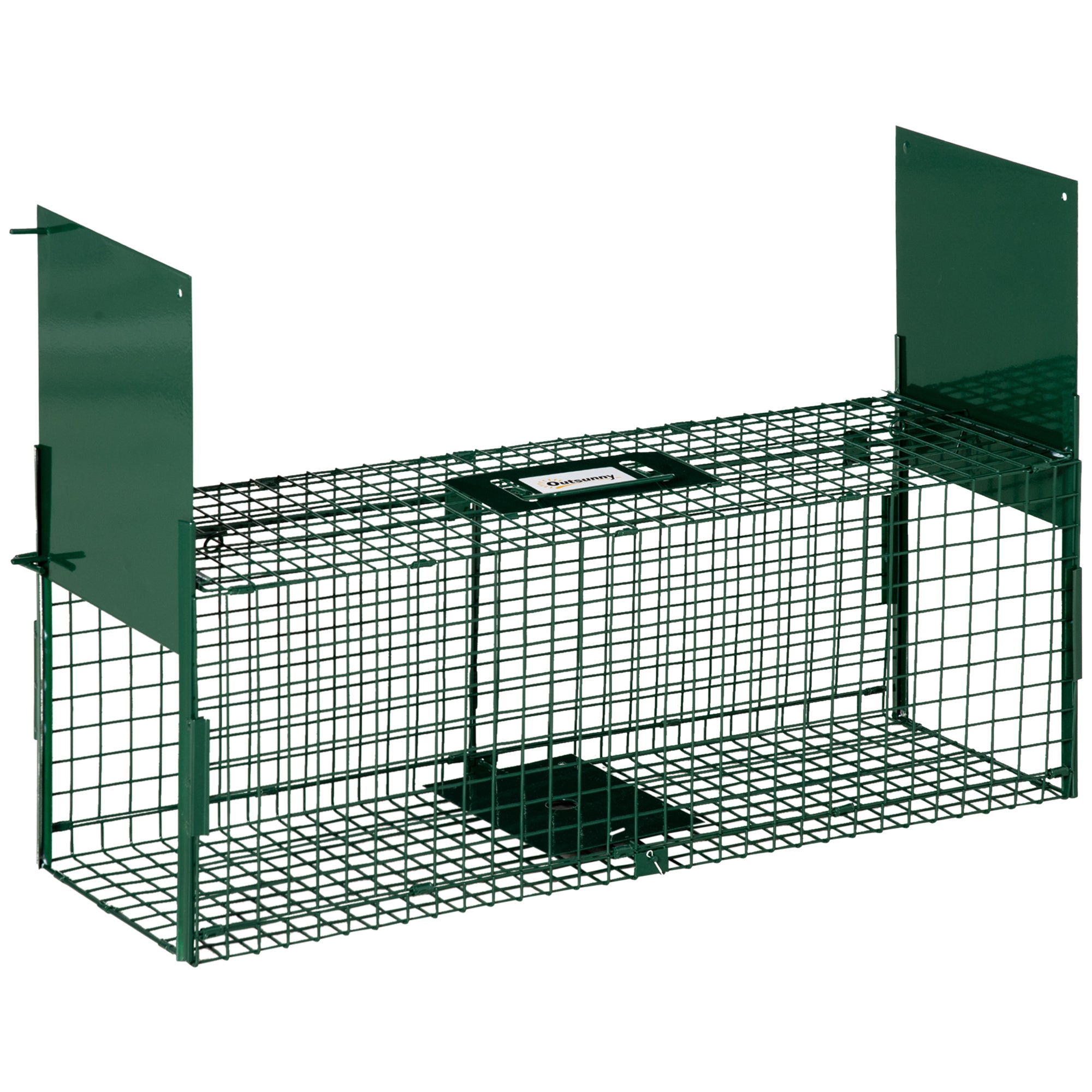
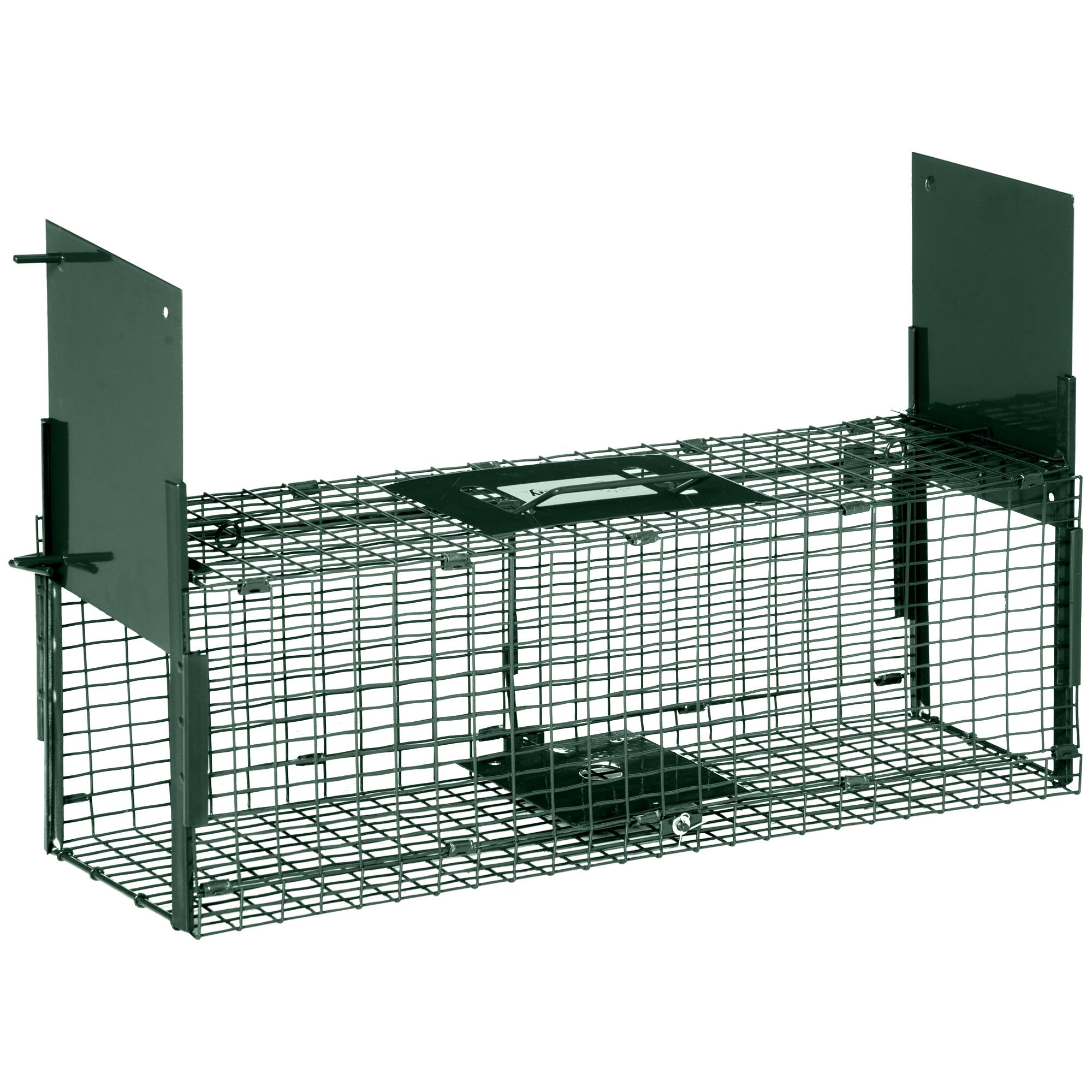
Designed for Live Capture. Built for Practical Handling.
Managing unwanted animal visits around a property requires the right equipment and a responsible approach. A live animal trap is designed to contain an animal inside a secure cage rather than relying on conventional lethal trapping methods. With a trigger mechanism, automatic closing door and sturdy metal construction, these capture cages provide a practical option for situations where live capture is legally permitted and appropriate.
The Outsunny and PawHut animal trap collection at Aosom EU includes single-door and double-door capture cages, folding wire traps and portable steel models in different sizes. Selected designs feature carrying handles, quick-release doors and weather-resistant surface finishes, making them suitable for different authorised capture and animal-management situations.
Understanding Live Animal Traps
Live animal traps, also known as cage traps or live capture traps, are designed to contain an animal inside an enclosed metal structure. When the trigger mechanism is activated, the entrance door closes and prevents the animal from leaving the cage.
Unlike traditional lethal traps, these products are intended for live capture. However, live capture does not automatically guarantee that an animal will remain unharmed or free from stress. The design, environmental conditions, monitoring frequency and subsequent handling all influence animal welfare.
The Aosom collection focuses on reusable metal capture cages with different entrance configurations. Depending on the model, they can be suitable for authorised capture situations involving rodents and other small animals.
Before selecting or using a trap, identify the animal involved and check whether trapping is permitted under the applicable local wildlife and animal-welfare regulations. Where necessary, seek advice from a qualified pest-control professional or wildlife authority.
Single-Door or Double-Door Traps?
The entrance configuration is one of the main differences between live capture cages. Depending on the intended application, you can compare single-door and double-door designs.
Single-Door Capture Cages
Single-door traps feature one main entrance and a corresponding closing mechanism. Their straightforward construction makes them a practical option for situations where a single-entry cage is suitable.
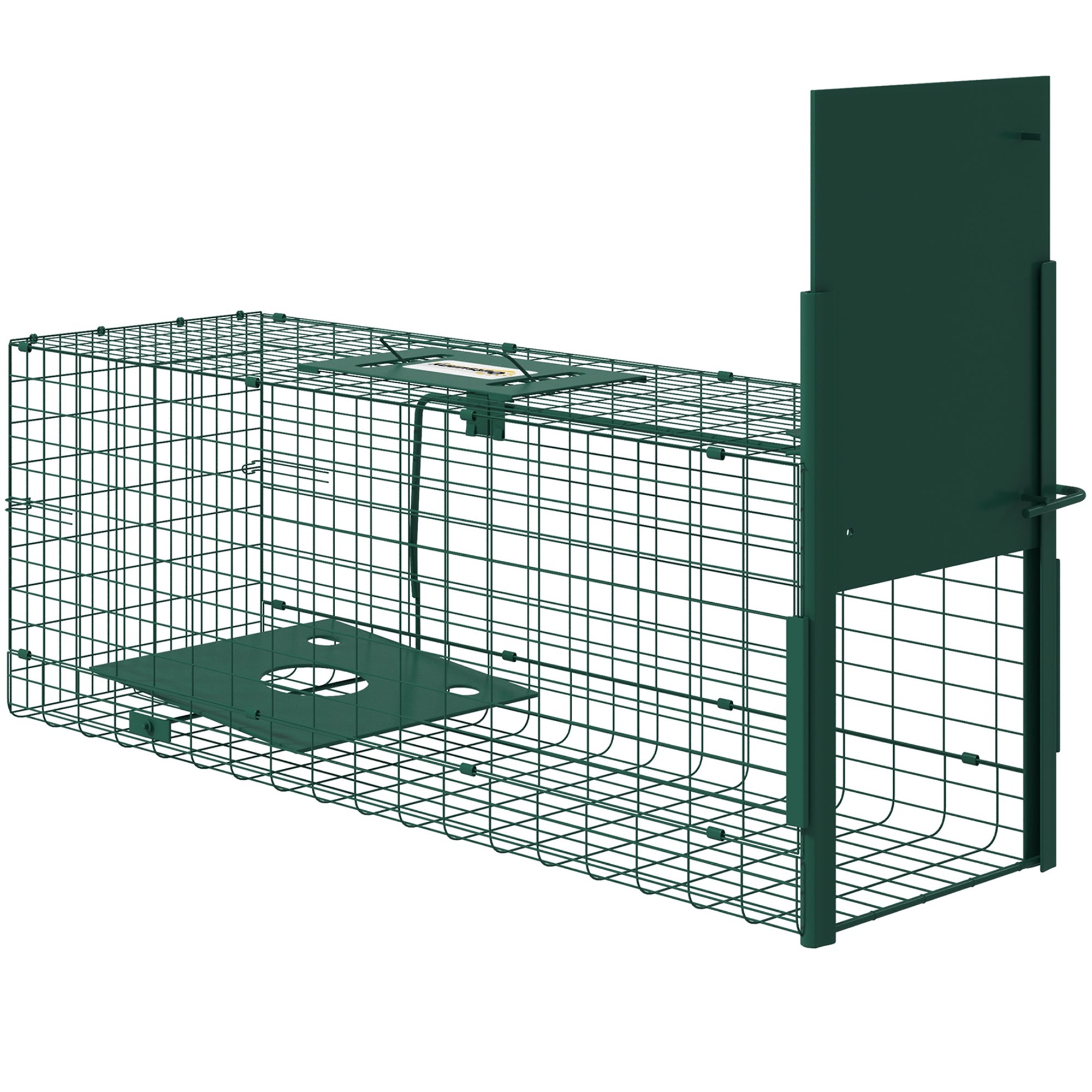
Selected Outsunny models feature a sensitive trigger mechanism and an automatically closing entrance door. Their enclosed steel construction is designed to contain the captured animal until the trap can be safely attended to.
Double-Door Capture Cages
Double-door designs feature two access points, creating a different cage configuration from conventional single-entry models.
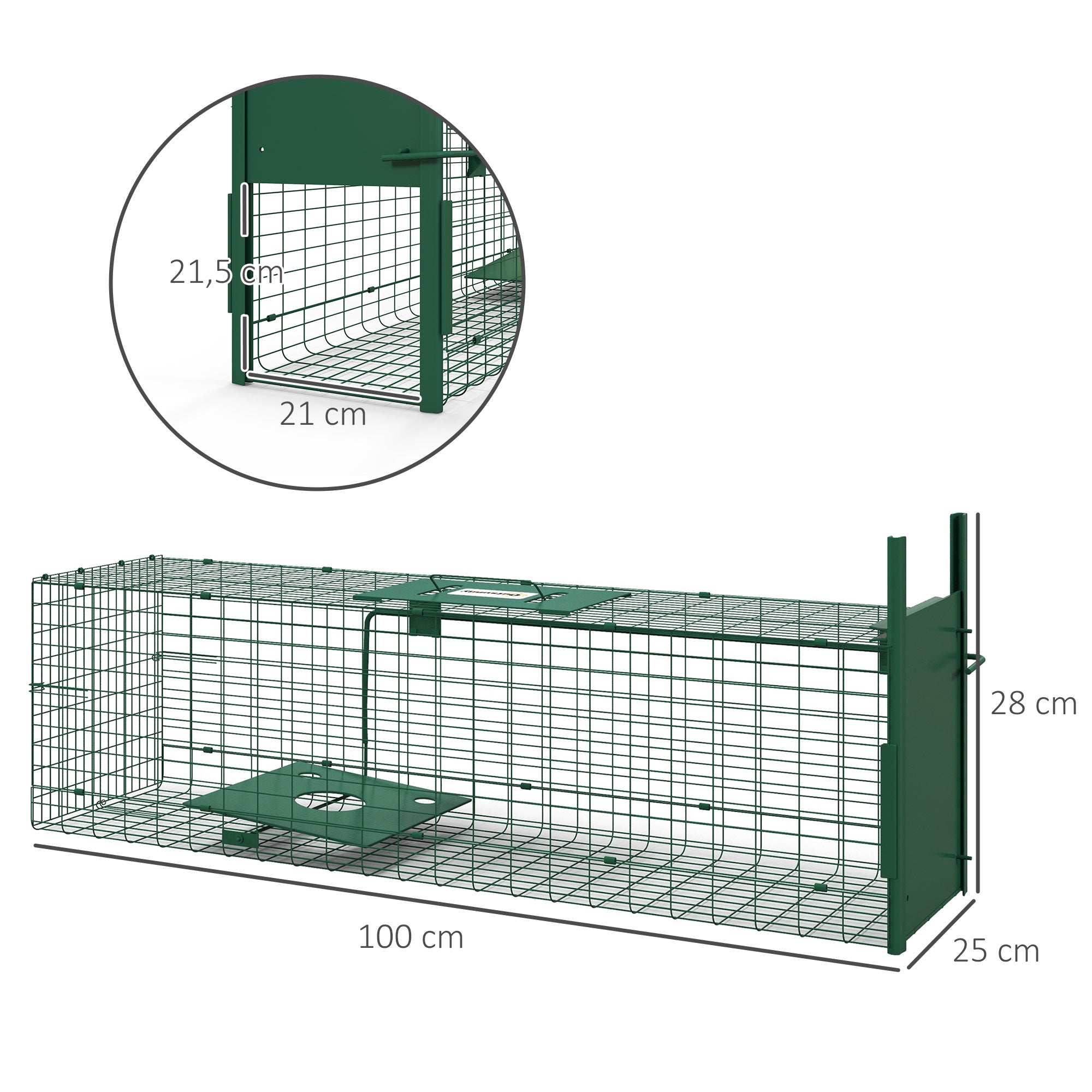
The Aosom collection includes Outsunny and PawHut double-door live traps in several dimensions, including models measuring 80 x 25 x 30 cm and 100 x 25 x 28 cm.
When comparing the two designs, consider the entrance dimensions, overall cage length and manufacturer's intended application. The number of doors alone does not determine whether a particular trap is suitable for a specific animal.
Choose the Correct Trap Size
The dimensions of a capture cage are important for both suitability and animal welfare. A trap that is too small may restrict movement, while an unsuitable entrance can prevent the intended animal from entering safely.
The Aosom collection includes several size configurations:
- 60 x 18 x 20 cm – A compact capture cage featured in selected Outsunny models.
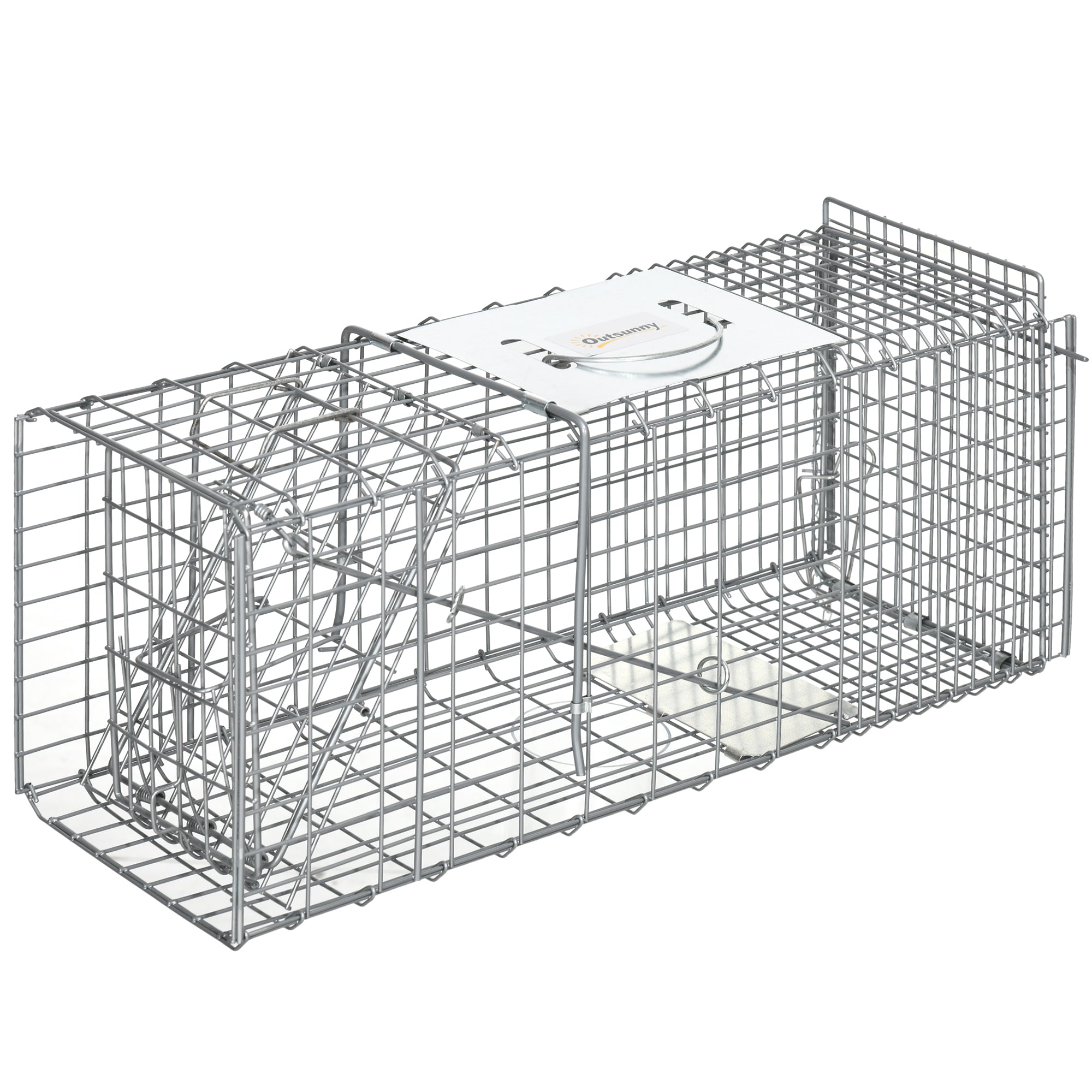
- 66 x 24 x 30.5 cm – A folding wire trap with a single entrance and carrying handle.
- 80 x 25 x 30 cm – Available in selected single-door and double-door configurations.
- 81 x 26 x 34.5 cm – A folding live animal trap with a larger overall structure.
- 93 x 31 x 34.5 cm – A longer folding design with additional internal space.
- 100 x 25 x 28 cm – A longer metal capture cage available in a double-door configuration.
These are external product dimensions, not guaranteed usable internal measurements. Entrance dimensions and wire spacing also vary between models.
Always compare the actual specifications with the size and physical characteristics of the intended target animal. Do not assume that a cage advertised for several animal types is suitable for every species or individual animal.
Steel Construction for Repeated Use
A capture cage needs a stable structure that can maintain its shape during handling and repeated use. Most products in the Aosom animal traps collection feature steel or metal wire construction.
- Steel wire structure – Forms the main enclosed cage and provides visibility through the mesh.
- Metal door mechanisms – Allow the entrance to close when the trigger system is activated.
- Reinforced frame sections – Help maintain the overall cage structure.
- Corrosion-resistant finishes – Featured on selected models to help protect the metal surface.
- Protective coatings – Provide a finished surface on green and silver capture cages.
Selected Outsunny models feature weather-resistant painted steel, making them suitable for specified outdoor applications. The actual level of weather protection depends on the individual product and its surface treatment.
Inspect the mesh, joints and door mechanisms regularly. Bent wires, sharp edges, corrosion or loose connections can affect the safety and functionality of the cage.
Folding Traps for Convenient Storage
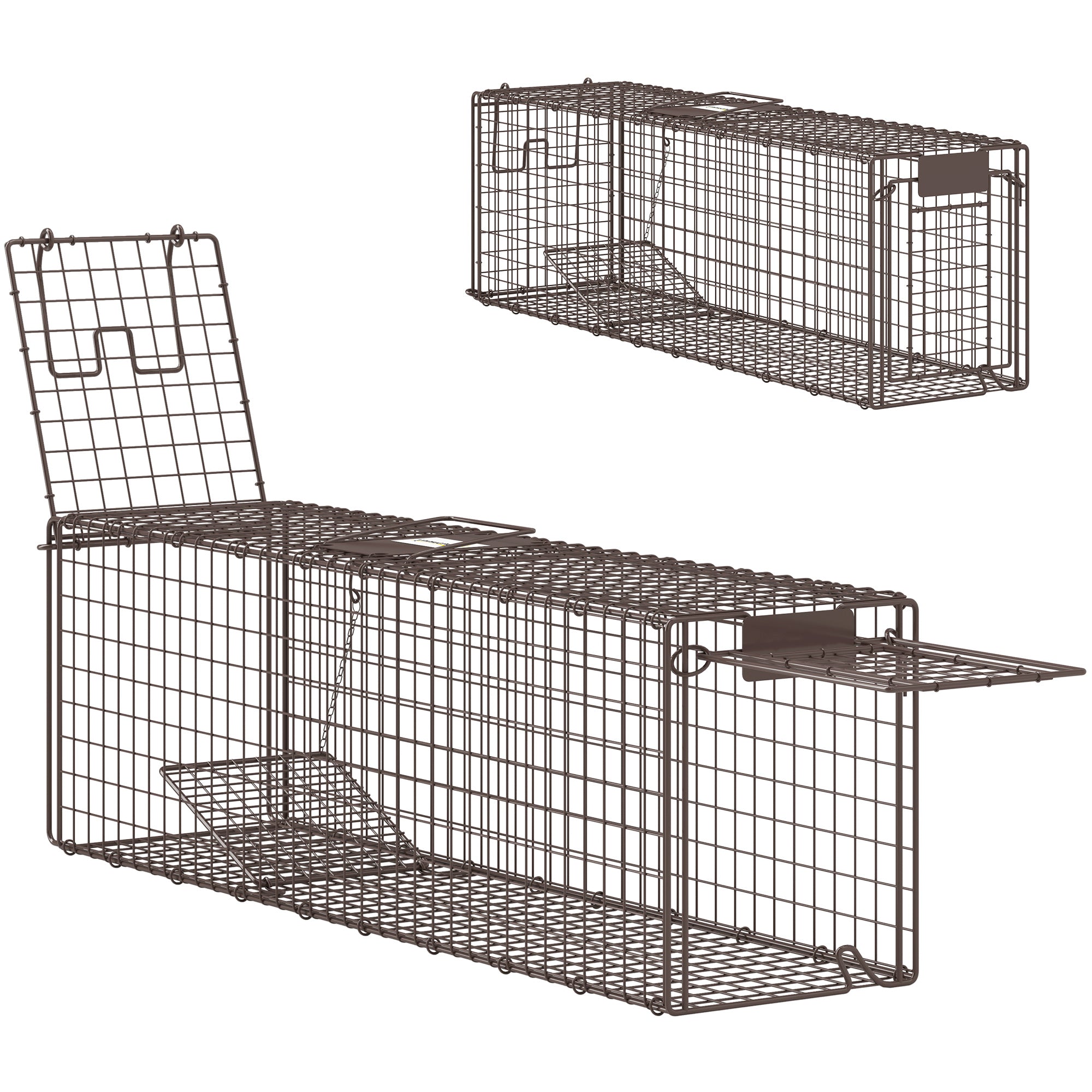
Storage is an important consideration when choosing reusable capture equipment. A folding live animal trap can be collapsed into a flatter configuration when it is not in use, helping reduce the space required for storage.
The Aosom collection includes several folding Outsunny models, including the Foldable Live Animal Trap measuring 66 x 24 x 30.5 cm and the Folding Live Animal Trap measuring 81 x 26 x 34.5 cm.
Selected folding designs feature:
- Collapsible wire panels – Allow the cage to be folded into a more compact shape.
- Integrated carrying handles – Make the folded structure easier to handle.
- Reusable metal construction – Allows the equipment to be stored between authorised uses.
- Compact storage dimensions – Help save space in garages, sheds and suitable storage areas.
Before folding a trap, make sure it is completely empty and that the mechanism is disengaged. Follow the supplied instructions to avoid damaging the frame or trapping fingers in moving components.
Portable Designs with Carrying Handles
Moving a capture cage requires careful handling, particularly when an animal is inside. Several Outsunny and PawHut models feature an integrated handle to make the cage easier to carry.
The carrying handle is positioned on the upper section of selected models and provides a dedicated grip point for handling the structure.
When comparing portable designs, consider:
- Handle positioning – Check that the grip is securely attached to the frame.
- Overall dimensions – Consider whether the cage can be handled comfortably.
- Frame stability – Inspect the structure and door connections before use.
- Door security – Make sure all locking components operate correctly.
A carrying handle is a handling feature, not a guarantee that a captured animal can be transported safely. Animals may become stressed or injured during capture and movement. Follow professional animal-handling advice and applicable local regulations before transporting any captured wildlife.
Green or Silver: Choose a Suitable Finish
The collection includes green and silver metal capture cages, offering different appearances for their intended environments.
- Green finishes – Provide a darker appearance that may blend visually with garden surroundings.
- Silver finishes – Offer a more visible metallic appearance and feature on several folding wire models.
- Brown finishes – Available on selected capture cage designs.
Colour is primarily an aesthetic and surface-finish consideration. It should not replace the more important checks relating to cage dimensions, entrance size, mesh construction and secure door operation.
Indoor and Outdoor Applications
Selected live capture cages are specified for indoor and outdoor use. Their metal construction and surface finishes can make them suitable for different property-management situations, subject to the individual product instructions.
Indoor Applications
For indoor situations, consider the available floor space, surrounding furniture and the presence of children or domestic pets. Positioning should never obstruct walkways or create an additional hazard.
Check that the cage is placed on a stable surface and that its structure cannot be easily knocked over or disturbed.
Outdoor Applications
For outdoor environments, consider the ground conditions, exposure to rain and direct sunlight. Even models with weather-resistant finishes should not be assumed to offer complete protection against prolonged exposure to extreme weather.
Avoid placing live capture equipment in locations where an animal could be exposed to excessive heat, cold, rain or other environmental hazards. The surrounding area should also be assessed for children, pets and non-target wildlife.
Animal Welfare Comes First
Live capture requires more than selecting a suitable cage. Once an animal enters a trap, responsibility for its welfare becomes an immediate priority.
A captured animal may experience fear, stress, dehydration, temperature-related discomfort or physical injury. Even a trap marketed as humane can cause welfare problems if it is unsuitable, incorrectly positioned or left unattended.
Before considering any live capture equipment:
- Check local regulations – Confirm whether trapping the target species is legally permitted and whether authorisation is required.
- Identify the animal – Do not assume that every animal entering a trap is the intended target.
- Consider non-capture alternatives – Where appropriate, investigate prevention, exclusion and non-harmful deterrence first.
- Plan monitoring in advance – Make sure the trap can be checked frequently and reliably.
- Protect non-target animals – Consider the possibility of domestic pets, protected wildlife or other unintended animals entering the cage.
- Arrange professional assistance – Seek qualified help if you are unsure how to manage a captured animal.
The RSPCA advises that live traps should only be used when they can restrain an animal without causing pain, injury or distress and when they can be visited frequently. Its guidance also recommends considering non-harmful alternatives wherever possible.
Importantly, live trapping and releasing wildlife elsewhere may be subject to specific legal requirements. Do not assume that a captured animal can automatically be transported or released at another location.
Check Local Permissions Before Use
Animal trapping laws vary between European countries and can differ according to the species, location, purpose and type of equipment involved.
Some Aosom live capture trap product descriptions explicitly state that use requires authorisation from the competent authorities to comply with animal welfare and environmental regulations.
Before purchasing or using a live animal trap, check:
- Whether the target animal is protected under local wildlife legislation.
- Whether a permit or other official authorisation is required.
- Whether the selected capture method is permitted.
- Whether transportation or relocation of the animal is legally allowed.
- Which local authority or qualified wildlife professional can provide appropriate assistance.
Requirements are not identical across the EU. Always consult the relevant national or local authority rather than relying on general advice from another country.
Cleaning and Maintaining Reusable Traps
A reusable capture cage should be inspected and cleaned according to its intended use and the manufacturer's instructions. Regular maintenance helps identify damage and keeps the door and trigger mechanisms functioning correctly.
- Metal mesh – Check for bent wires, sharp edges and corrosion.
- Door mechanisms – Inspect the hinges, springs and locking points for damage.
- Trigger components – Check for obstructions or visible wear according to the product manual.
- Carrying handles – Make sure attachment points remain secure.
- Surface coating – Inspect for peeling paint or exposed metal.
- Folding joints – Check that panels open and fold without becoming stuck.
Clean the cage between uses using an appropriate method and allow it to dry completely. If the trap has been contaminated by animal waste or other biological material, follow suitable hygiene precautions and professional cleaning guidance.
Do not use damaged equipment. A compromised door, sharp mesh or unreliable trigger mechanism can create unnecessary risks for both animals and people.
Choose the Right Capture Cage for Your Requirements
Different capture cages serve different purposes. A compact single-door design, a longer double-door model and a foldable wire trap are not interchangeable simply because they all use a live capture mechanism.
Before selecting a product, compare the following:
- Capture configuration – Single-door or double-door construction.
- Overall dimensions – Length, width and height of the complete cage.
- Entrance dimensions – The actual opening size of the capture door.
- Mesh construction – Wire thickness, spacing and overall frame condition.
- Material finish – Steel construction and specified surface protection.
- Portability – Integrated handles and overall weight.
- Storage – Folding dimensions and storage requirements.
- Intended application – Follow the product's stated compatibility and local regulations.
Matching these specifications to a clearly identified, legally permissible use is more important than choosing a trap based solely on its size or number of doors.
Practical Equipment for Responsible Animal Management
From compact folding wire cages to larger double-door steel capture traps, the Outsunny and PawHut collection offers different configurations for authorised live capture applications. Portable handles, reusable metal construction and folding designs provide practical equipment features, while individual dimensions and entrance structures allow you to compare different models.
Explore the animal traps at Aosom EU, including live animal capture cages, folding wire traps, single-door models and double-door steel traps. Compare the dimensions, entrance configuration, construction and portability of each design, and always check local permissions and animal-welfare requirements before use.