
Balance Bikes & Ride-ons
Small Wheels, Big First Adventures
A child's first ride is about more than getting from one place to another. It is about discovering movement, exploring new surroundings and enjoying the excitement of having a vehicle of their own. From colourful balance bikes to push-along cars and playful wiggle vehicles, the right balance bike or ride-on toy can bring a new dimension to everyday play.
The Aosom EU collection features HOMCOM and AIYAPLAY balance bikes, baby ride-on cars, push cars, sliding vehicles and toddler riding toys. Designed for different ages and stages, these products offer a variety of ways for little ones to move, steer and explore, whether they are taking their first steps towards independent riding or enjoying imaginative adventures around the home.
Discover Different Ways to Ride
Not every toddler is ready for the same type of riding toy. Some enjoy pushing themselves along with their feet, while others prefer a balance bike or a vehicle that parents can guide with a handle. Understanding these differences makes it easier to choose a suitable first ride.
- Balance bikes – Encourage children to practise steering, balancing and moving forward using their feet.
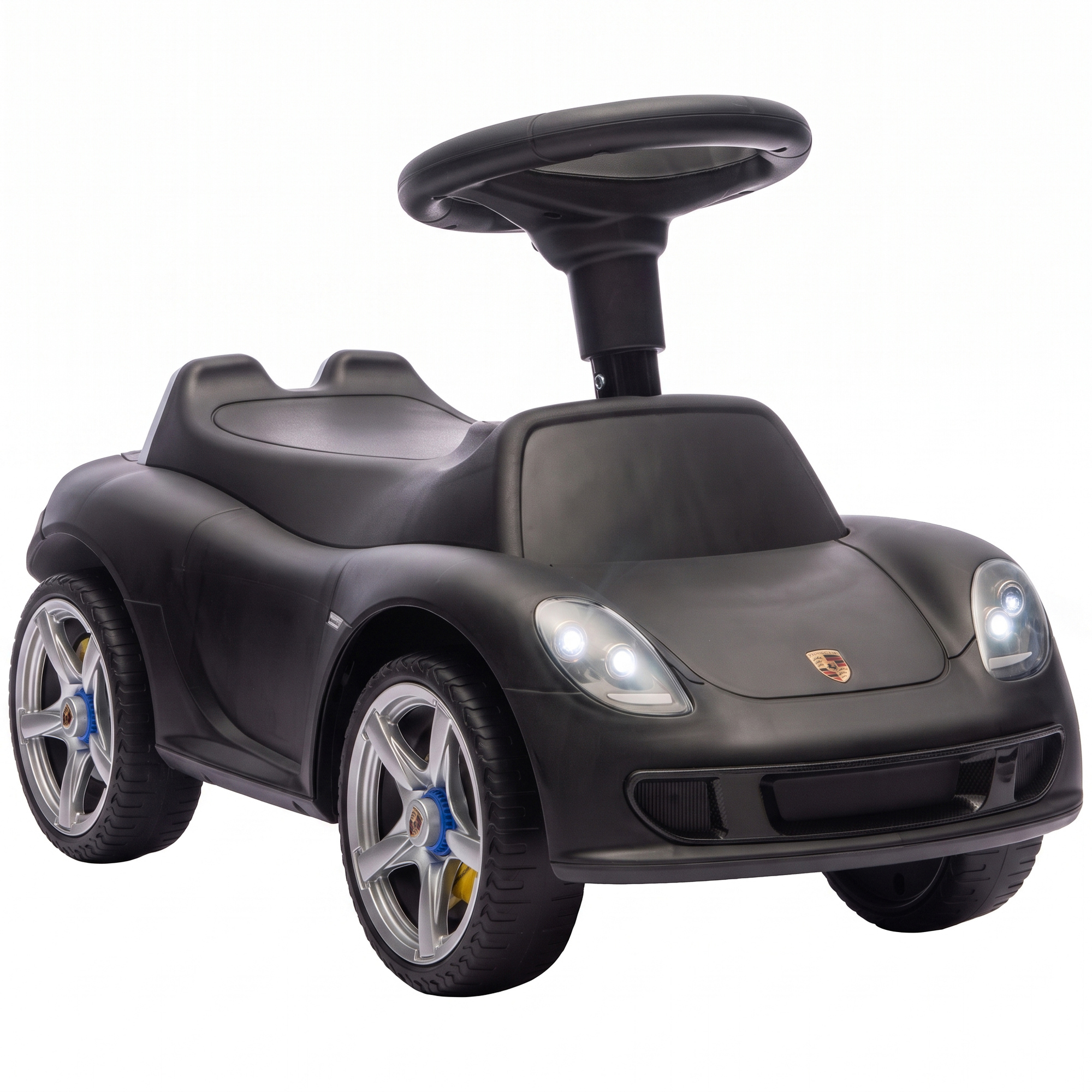
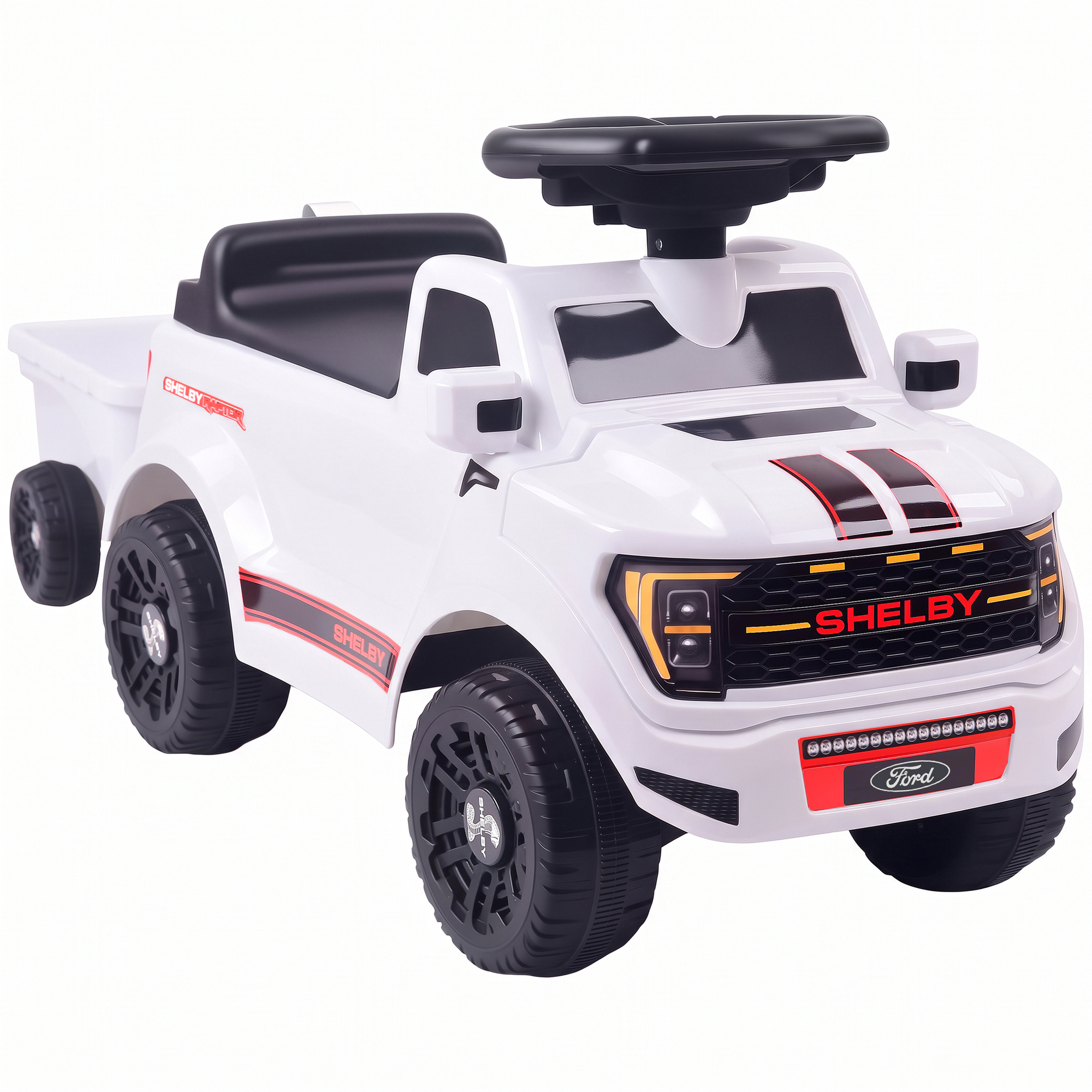
- Baby ride-on cars – Pedal-free vehicles that allow toddlers to move by pushing against the ground.
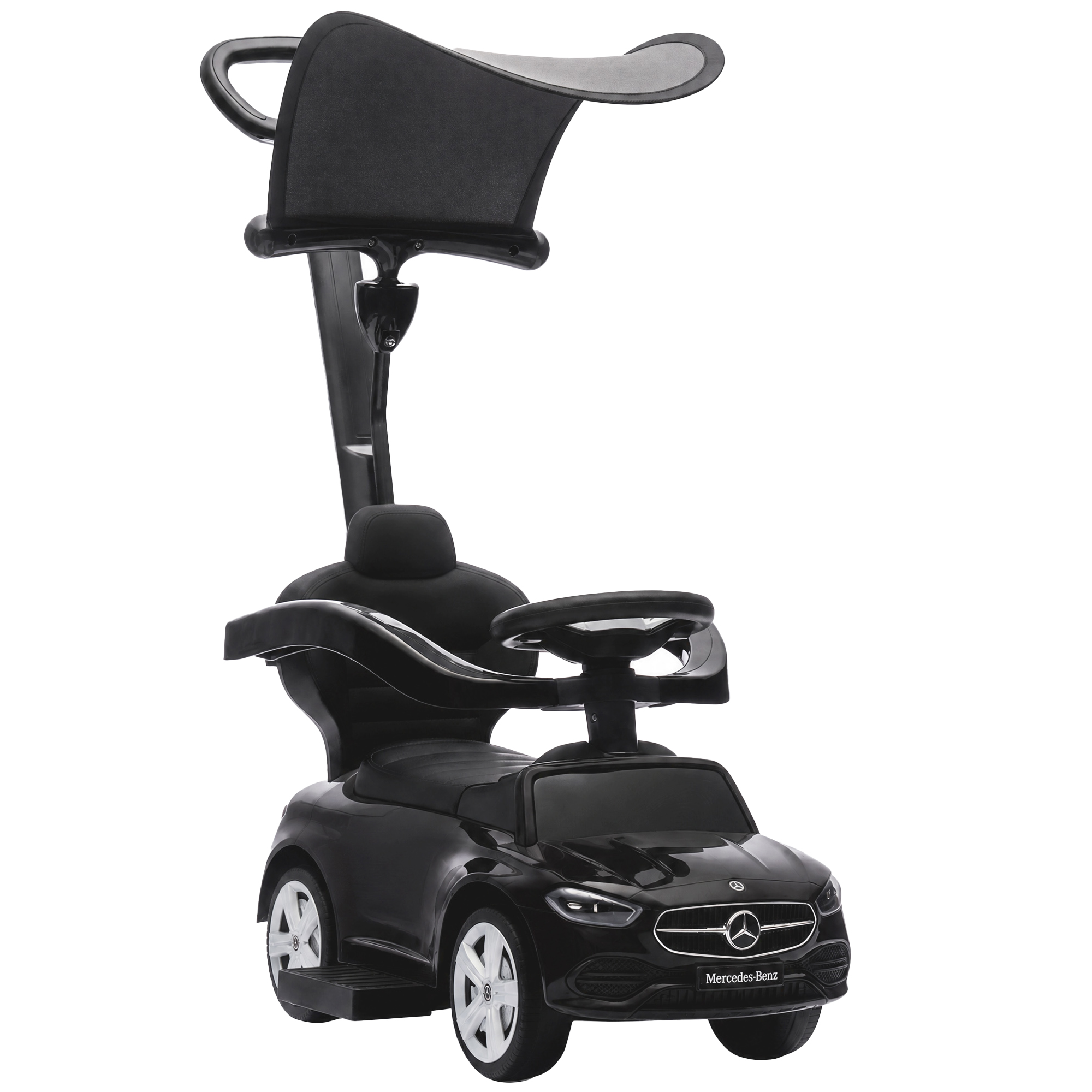
- Push cars – Combine a child-sized riding seat with a parent push handle on selected models.
- Wiggle cars – Move through a side-to-side steering motion without pedals or batteries.
- Slide cars – Allow children to propel themselves forward using their feet.
- 2-in-1 riding toys – Combine features such as push handles, safety rails or removable accessories, depending on the model.
Balance Bikes: A First Step Towards Independent Riding
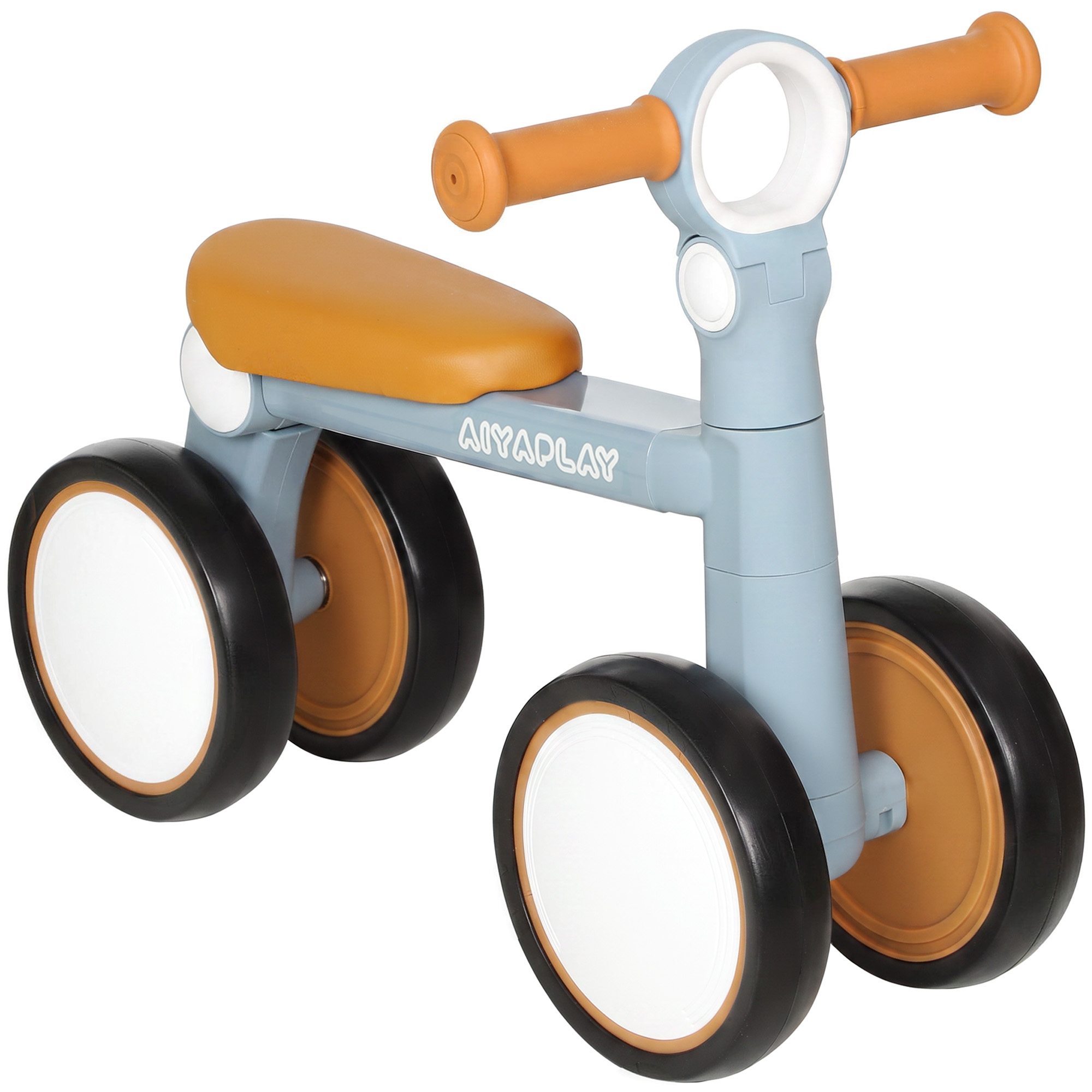
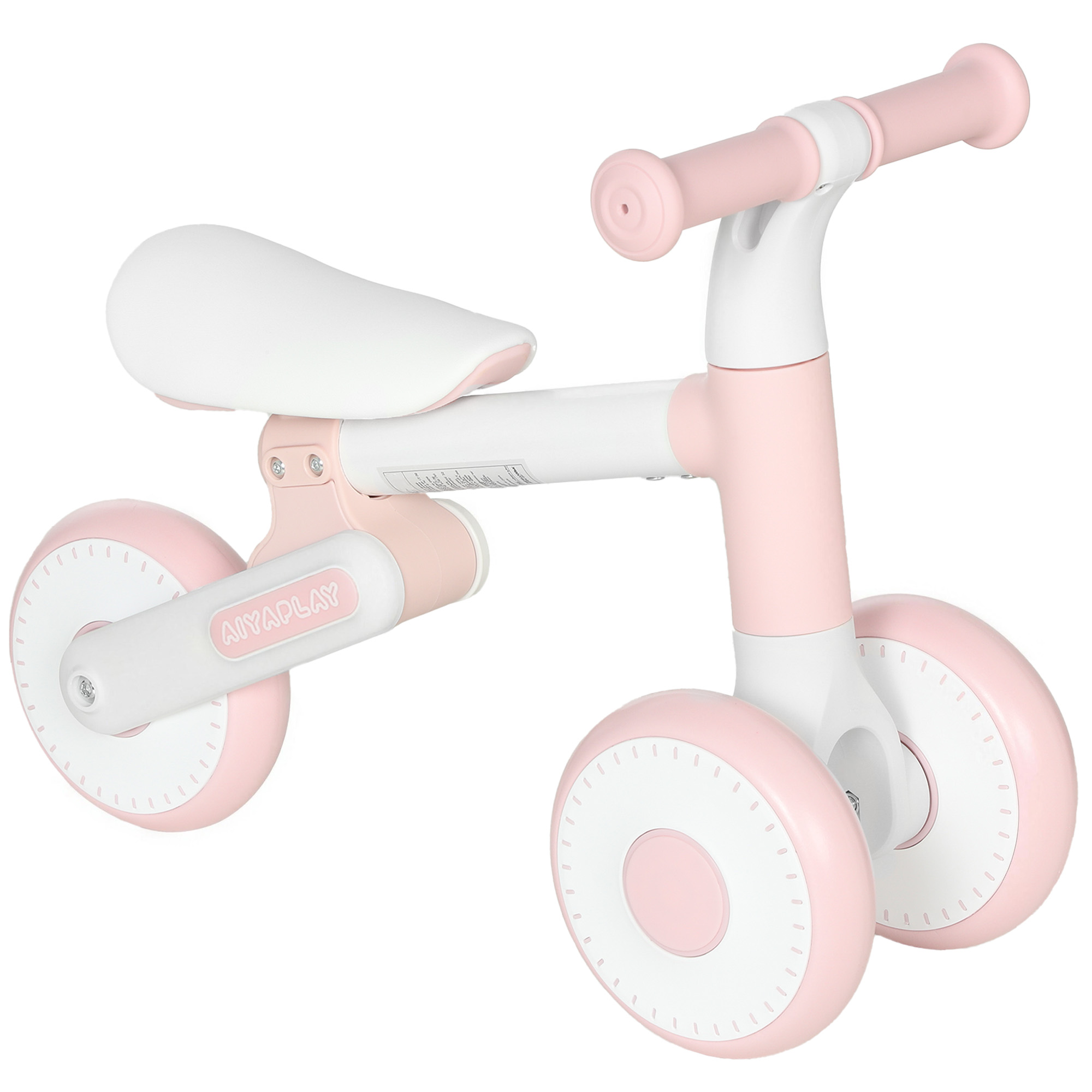
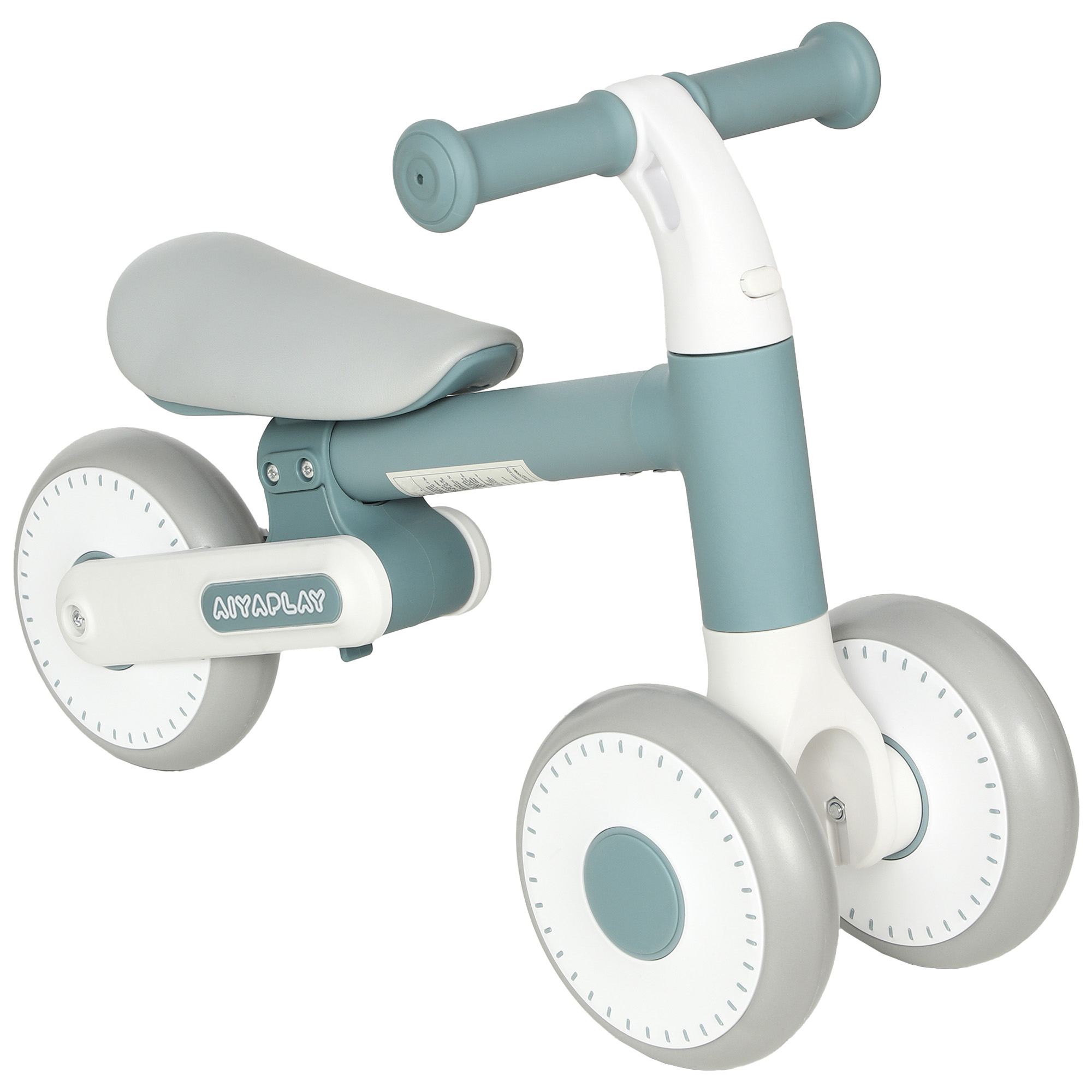
A balance bike offers a different experience from a traditional pedal bicycle. Instead of relying on pedals, children sit on the saddle and use their feet to push themselves along. This allows them to explore steering and balance at a pace that feels comfortable.
The Aosom collection includes toddler balance bikes with adjustable seats, lightweight frames and different wheel constructions. Selected models are designed for children from approximately 18 months, with some supporting a maximum load of 20–25 kg.
Look for a saddle height that allows your child to place both feet comfortably on the ground. An appropriate riding position makes it easier to start, stop and move the bike without stretching.
Adjustable Seats for a Better Fit
A properly positioned seat helps children maintain control of their balance bike. As they grow, an adjustable saddle can provide additional flexibility and help maintain a suitable riding position.
Selected HOMCOM and AIYAPLAY balance bikes feature adjustable seat heights, allowing the saddle to be repositioned according to the child's proportions.
When checking the fit, make sure your child can sit comfortably with their feet reaching the ground. The handlebars should also be within easy reach, allowing them to steer without leaning too far forwards.
2-in-1 Balance Bikes: More Ways to Ride
Some balance bikes in the collection feature a 2-in-1 configuration with both pedals and training wheels. This gives families an alternative to a conventional pedal-free balance bike, combining different riding arrangements within one product.
For example, selected HOMCOM models for children aged approximately 2–5 years include adjustable seat heights, pedals and training wheels. Before use, follow the manufacturer's instructions for the intended configuration and make sure all components are securely fitted.
Baby Ride-On Cars: Their First Little Vehicle
For younger toddlers, a simple ride-on car can provide an accessible introduction to independent movement. Children sit on the seat, hold the steering wheel and use their feet to push themselves forwards or backwards.
Selected HOMCOM baby ride-on cars feature pedal-free designs, steering wheels, backrests and compact bodies that are easy to manoeuvre in suitable indoor spaces. Some models also include horns, music, headlights and under-seat storage compartments.
Look for a low seating position and a suitable foot-to-floor distance. These details help children get on and off the vehicle more easily while maintaining contact with the ground during movement.
Push Cars: Enjoy the Ride Together
A push car offers a different kind of flexibility because it can be guided by an adult on selected models. A rear push handle allows parents to move the vehicle while the child sits comfortably in the driving seat.
Selected AIYAPLAY and HOMCOM designs combine removable push handles with safety guardrails, backrests and footrests. Some also feature steering wheels, horns, storage compartments and canopies.
This arrangement is useful when younger toddlers enjoy sitting in their own little vehicle but are not yet ready to move it independently. Check whether the push handle, guardrail and other accessories are removable, and follow the manufacturer's instructions when changing the configuration.
Wiggle Cars and Slide Cars: Movement Without Pedals
Not all ride-on toys need a traditional steering wheel or pedal system. Wiggle cars and slide cars offer alternative ways for children to move and explore.
- Wiggle cars – Use a side-to-side steering motion to generate movement on suitable flat surfaces.
- Slide cars – Allow children to propel themselves by pushing against the ground with their feet.
Selected AIYAPLAY wiggle cars include a wide seat, steering wheel and pull rope for parents. Slide cars feature low-profile designs, with selected models incorporating a backrest and protective bar.
These riding toys are particularly suited to children who enjoy active movement and simple steering activities. Check the recommended age and operating instructions, and always use them on suitable surfaces.
Comfortable Features for Little Riders
Small design details can make a ride-on toy easier and more enjoyable to use. Depending on the model, the collection includes:
- Wide seats – Provide a comfortable seating area for younger riders.
- Backrests – Offer additional seating support on selected models.
- Safety guardrails – Help provide an additional physical barrier on compatible push cars.
- Steering wheels – Allow children to practise changing direction.
- Footrests – Provide a place to rest the feet on selected push-along models.
- Storage compartments – Keep small toys and everyday essentials close at hand.
- Removable push handles – Allow parents to guide compatible vehicles when needed.
Features vary between models, so compare the individual product specifications rather than assuming every ride-on includes the same accessories.
Playful Details That Make Every Ride Special
For toddlers, the little details can be just as exciting as the ride itself. A steering wheel that makes a sound, headlights that illuminate or a favourite vehicle design can encourage imaginative play.
Selected ride-on cars include horns, music functions, headlights and engine-style sound effects. Others feature familiar vehicle-inspired designs, including the Mercedes G350 and Lamborghini Essenza SCV12.
There are also themed designs such as fire trucks and racing-style motorcycles, giving children more opportunities to create their own stories while playing.
Choose the Right Ride-On for Their Age
Age recommendations are a useful starting point when selecting a toddler riding toy, but the child's height, weight and ability to reach the ground are equally important.
- 12–24 months – Look for suitable low-profile push cars and supported ride-on designs, following the manufacturer's minimum age recommendation.
- 18–36 months – Consider pedal-free ride-on cars, push cars and simple sliding vehicles with accessible controls.
- 18–48 months – Selected balance bikes offer adjustable seating and more room for growing riders.
- 2–5 years – Some 2-in-1 balance bike designs offer adjustable seating and alternative riding configurations.
These age groups are general shopping references based on the types of products available, not universal developmental milestones. Always follow the specific product's age recommendation, weight limit and safety instructions.
Indoor or Outdoor Riding?
The intended riding environment should influence your choice of vehicle. Some ride-on toys are compact enough for indoor play, while others benefit from a larger outdoor area.
- Indoor play – Compact pedal-free ride-ons and wiggle cars can be suitable for clear, smooth floors with sufficient space.
- Garden play – Balance bikes and suitable ride-on vehicles can be used on level, unobstructed surfaces.
- Outdoor pathways – Choose smooth, suitable surfaces and avoid roads or areas with vehicle traffic.
- Shared play areas – Make sure there is enough room for children to move without colliding with furniture, walls or other riders.
Check the manufacturer's recommended surfaces before use. Not every model is designed for rough ground, gravel or uneven paving. For indoor riding, consider the floor finish and use the vehicle in an area where furniture and fragile objects are safely out of reach.
Safety Comes First
A toddler riding toy should be appropriate for the child's size and used in a controlled environment. Before every ride, check the vehicle and make sure the child understands how to sit, steer and stop.
- Check the fit – Make sure the child can reach the ground and hold the steering controls comfortably.
- Inspect the structure – Check wheels, handlebars, seats and fastening points for visible damage or looseness.
- Use protective accessories – A properly fitted helmet is recommended for balance bikes and other wheeled riding activities.
- Choose a safe surface – Avoid slopes, stairs, roads, wet floors and uneven ground.
- Supervise young children – Adult supervision is essential, especially during first-time use.
- Respect weight limits – Never exceed the maximum load specified for the product.
- Use safety features correctly – Fit guardrails, backrests and push handles according to the product instructions.
A ride-on toy is not a replacement for adult supervision or a certified child safety restraint. Never use a push car as a substitute for a proper stroller when travelling in traffic or public transport environments.
Easy Care for Everyday Play
Toddler riding toys are used frequently, so simple maintenance helps keep them in good condition.
- Wheels – Remove hair, dust and debris that may affect movement.
- Seat and frame – Wipe surfaces with a soft, slightly damp cloth.
- Handlebars and steering – Check that steering components move smoothly.
- Adjustable seats – Make sure adjustment points are securely locked before use.
- Push handles – Inspect the attachment points and locking mechanisms on compatible models.
- Accessories – Check horns, lights and other interactive features where fitted.
Store riding toys in a dry, sheltered place when they are not being used. Avoid prolonged exposure to rain, moisture and direct sunlight, and follow the manufacturer's cleaning recommendations.
Find Their First Favourite Ride
From a first balance bike and a colourful baby ride-on car to a parent-guided push vehicle or a playful wiggle car, every design offers a different way to discover movement and enjoy independent play.
Explore the HOMCOM and AIYAPLAY collection of balance bikes and ride-on toys at Aosom EU. Compare seat adjustments, vehicle dimensions, age recommendations and practical features to find a little first vehicle that fits your child's size, interests and everyday adventures.