
Rabbit Hutches
A Safe Place to Rest. More Room to Explore.
Rabbits need more than a sheltered place to sleep. They are active, curious animals that enjoy hopping, stretching, exploring and spending time with their companions. A well-planned rabbit hutch should provide a secure resting area while forming part of a larger living environment with plenty of room for exercise and natural behaviour.
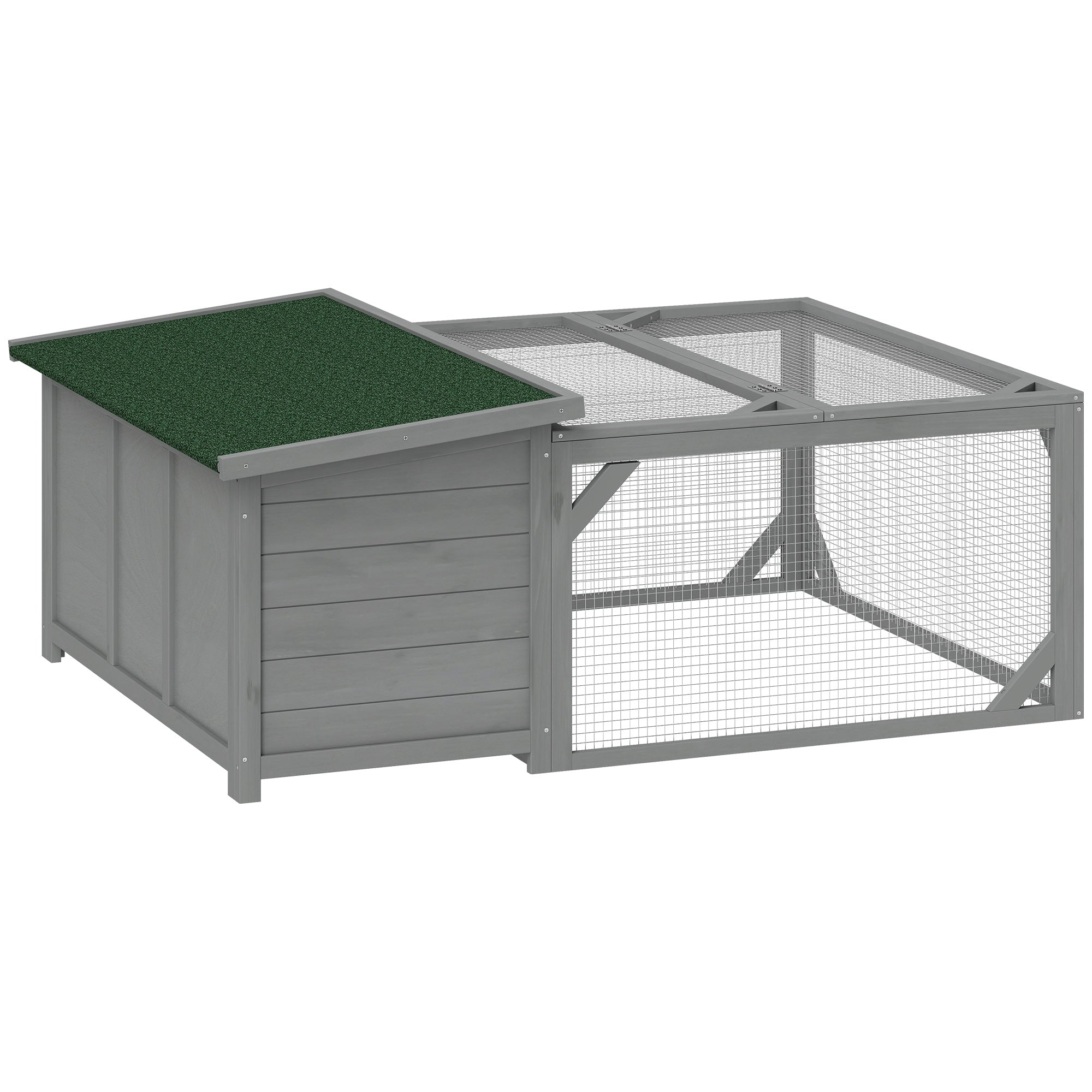
The PawHut rabbit hutch collection at Aosom EU includes traditional wooden rabbit houses, two-tier hutches, outdoor enclosures with attached runs and practical indoor designs with wheels and removable trays. From compact sheltered houses to extended rabbit hutches with connected activity areas, discover different configurations for creating a more functional rabbit habitat.
A Hutch Is Only Part of a Rabbit's Home
One of the most important things to understand when choosing rabbit housing is the difference between a hutch and a complete living enclosure. A hutch provides a sheltered place for sleeping, resting and hiding, while a run offers additional room for movement, exercise and exploration.
Rabbits need access to both areas as part of their everyday environment. A traditional small hutch should not be used as their only permanent living space.
The RSPCA recommends a combined living environment for two medium-sized rabbits measuring at least 3 x 2 x 1 metres, including the main shelter and exercise area. The complete enclosure should allow rabbits to stand upright without their ears touching the roof, lie fully stretched out and move around without restriction.
When choosing a PawHut rabbit hutch, consider how it will connect to a suitable additional run or larger secure enclosure. The hutch should function as a comfortable shelter within a more spacious living arrangement.
Rabbit Hutches with Attached Runs
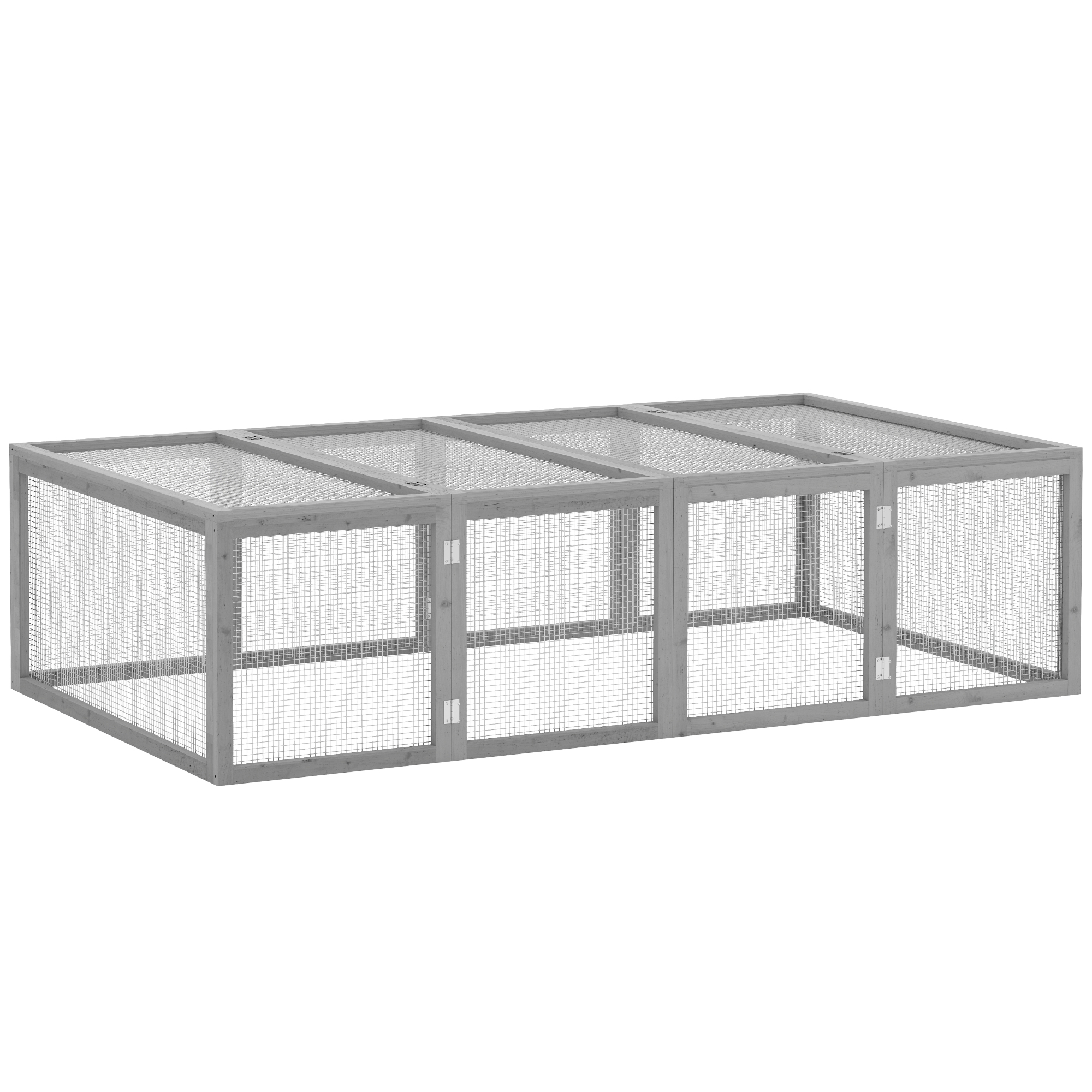
A hutch with an attached run combines a sheltered resting area with a dedicated space for movement. This arrangement can make it easier to create distinct areas for resting, feeding and everyday activity.
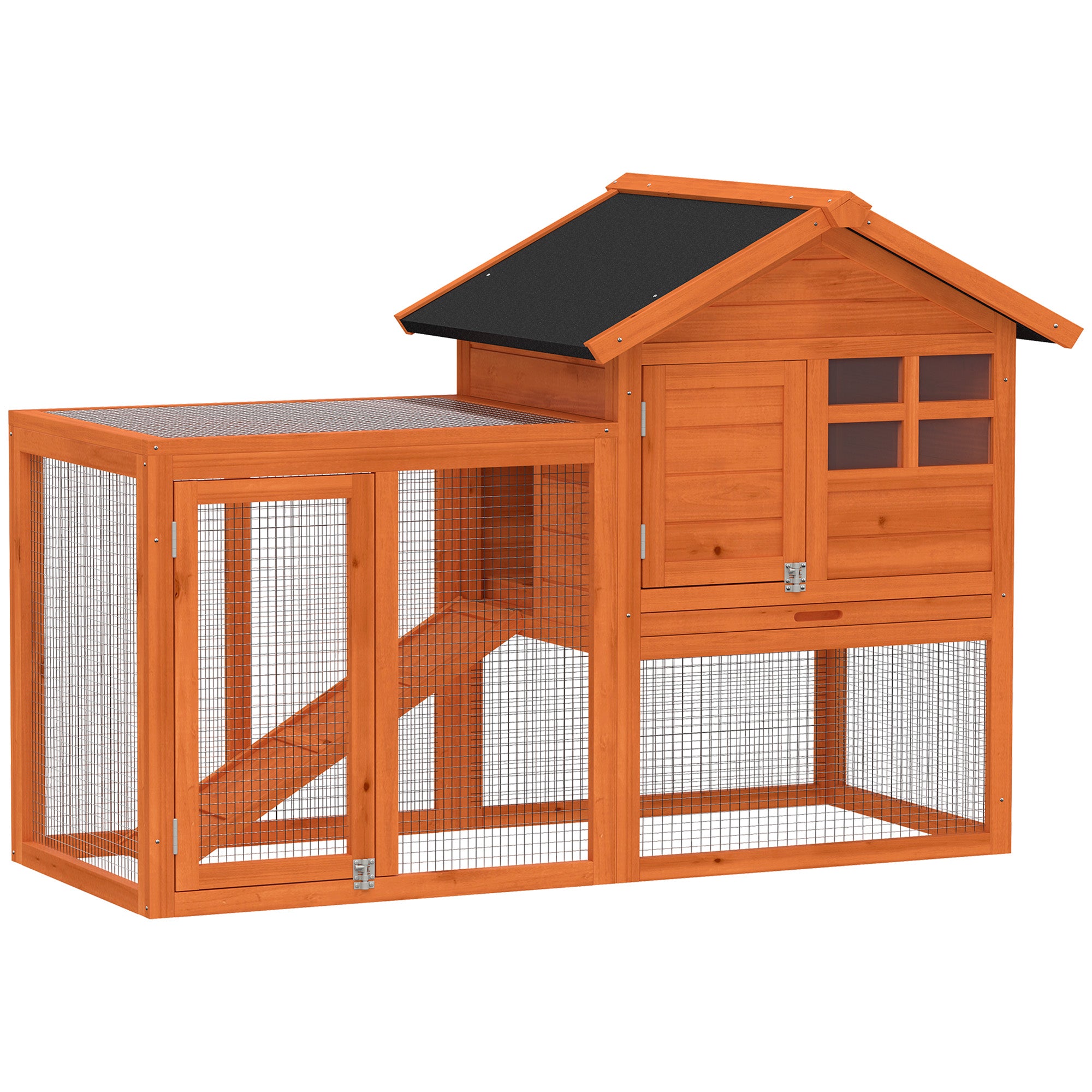
The Aosom collection includes several PawHut designs featuring integrated runs, connecting ramps and separate enclosed sections.
- Enclosed runs – Provide a designated area for supervised exploration and movement.
- Connecting ramps – Allow rabbits to move between the sheltered house and lower activity areas.
- Multiple access doors – Make it easier to reach different sections of the enclosure.
- Separate resting houses – Offer sheltered areas where rabbits can retreat and relax.
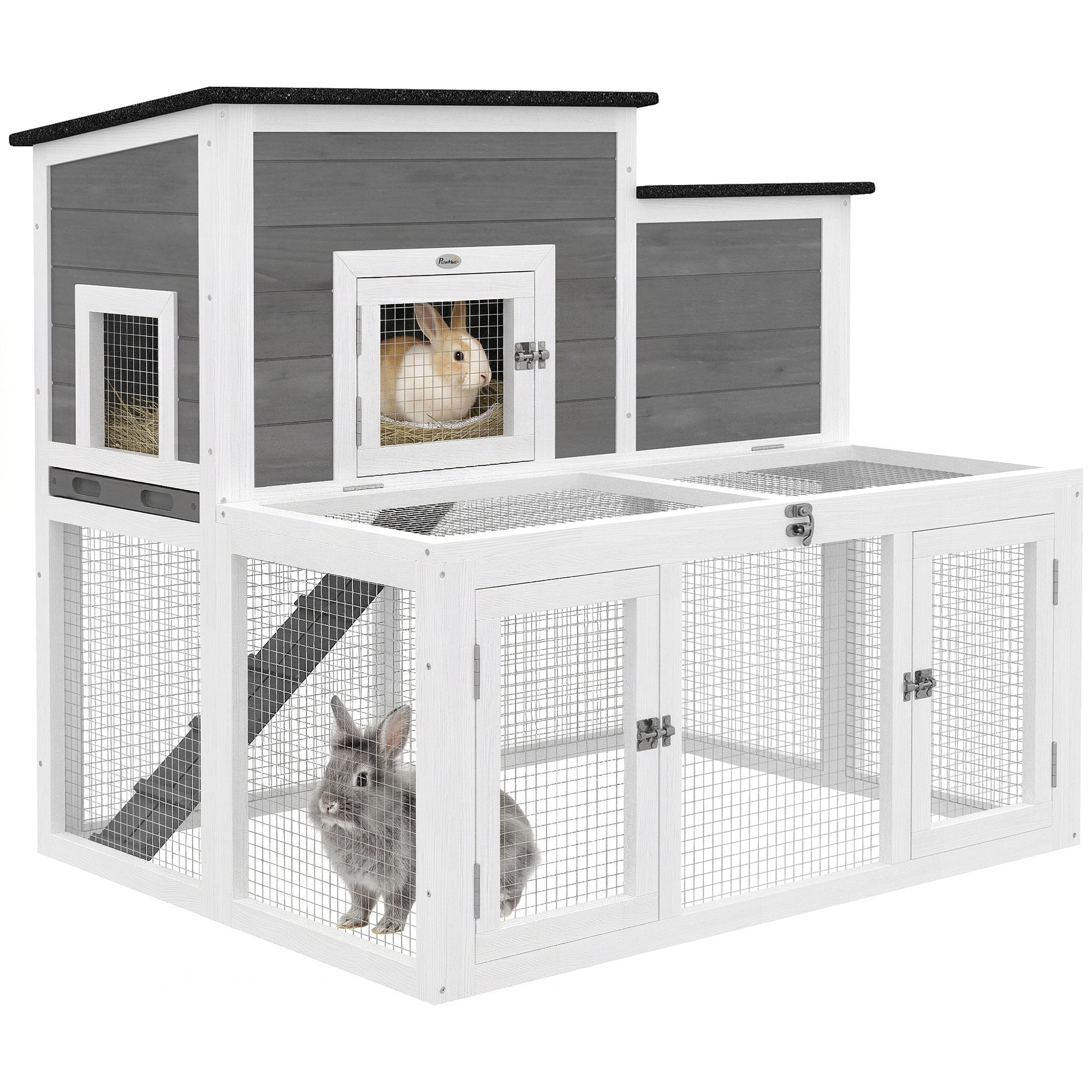
For example, the PawHut Wooden Outdoor Rabbit Hutch with Enclosed Run combines a two-level structure with a separate activity section, ramps and removable trays. Larger designs, such as the PawHut Rabbit Hutch with Run measuring 147 x 54 x 84 cm, provide another configuration with an enclosed resting area and connected outdoor space.
Remember that the dimensions of an attached run should be evaluated together with any additional exercise space available to your rabbits. A small integrated run does not automatically meet their complete daily exercise requirements.
Indoor or Outdoor Rabbit Hutches?
Rabbit housing can be arranged indoors or outdoors, provided the environment meets the animals' welfare needs. The right configuration depends on available space, local weather conditions and how the enclosure will be maintained.
Outdoor Rabbit Hutches
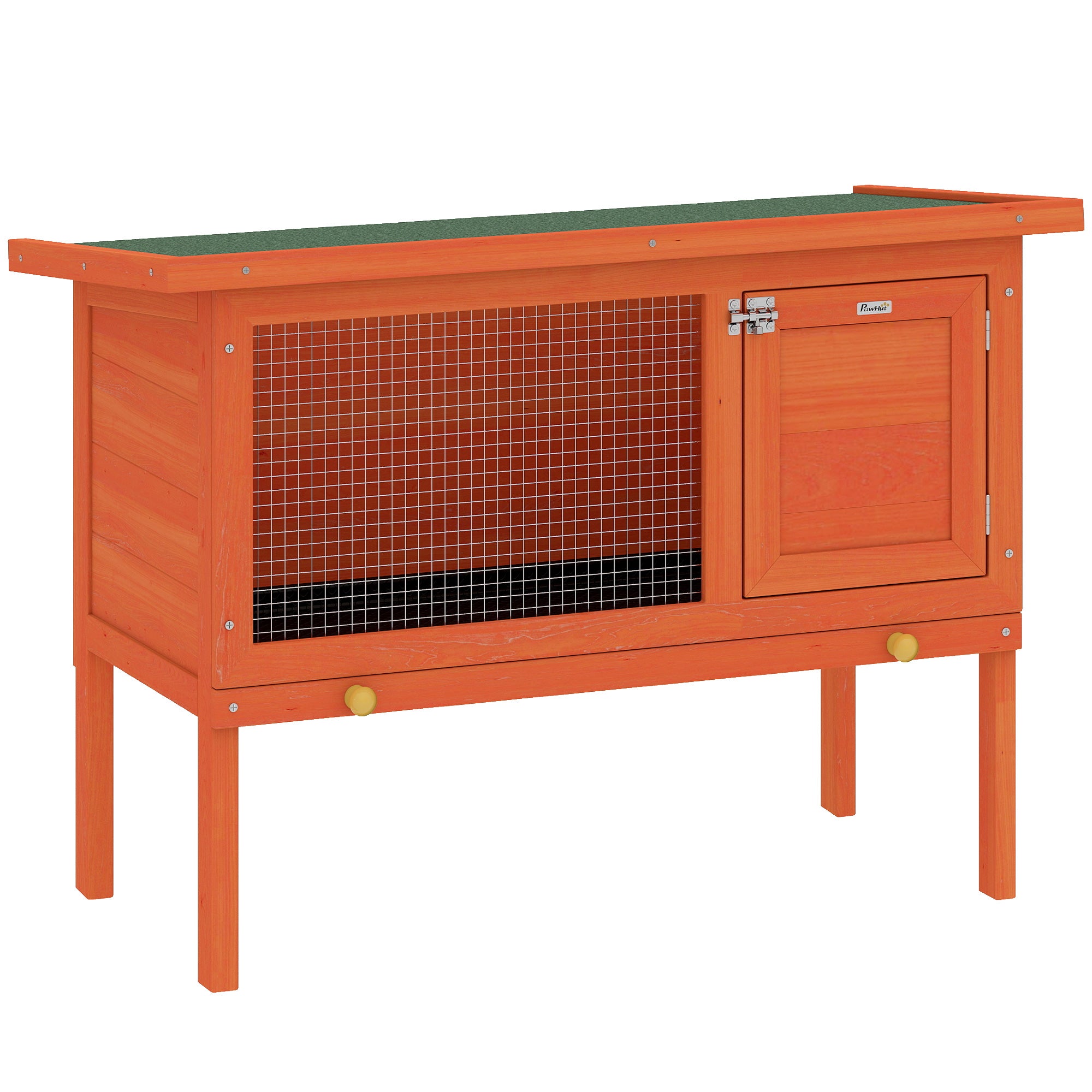
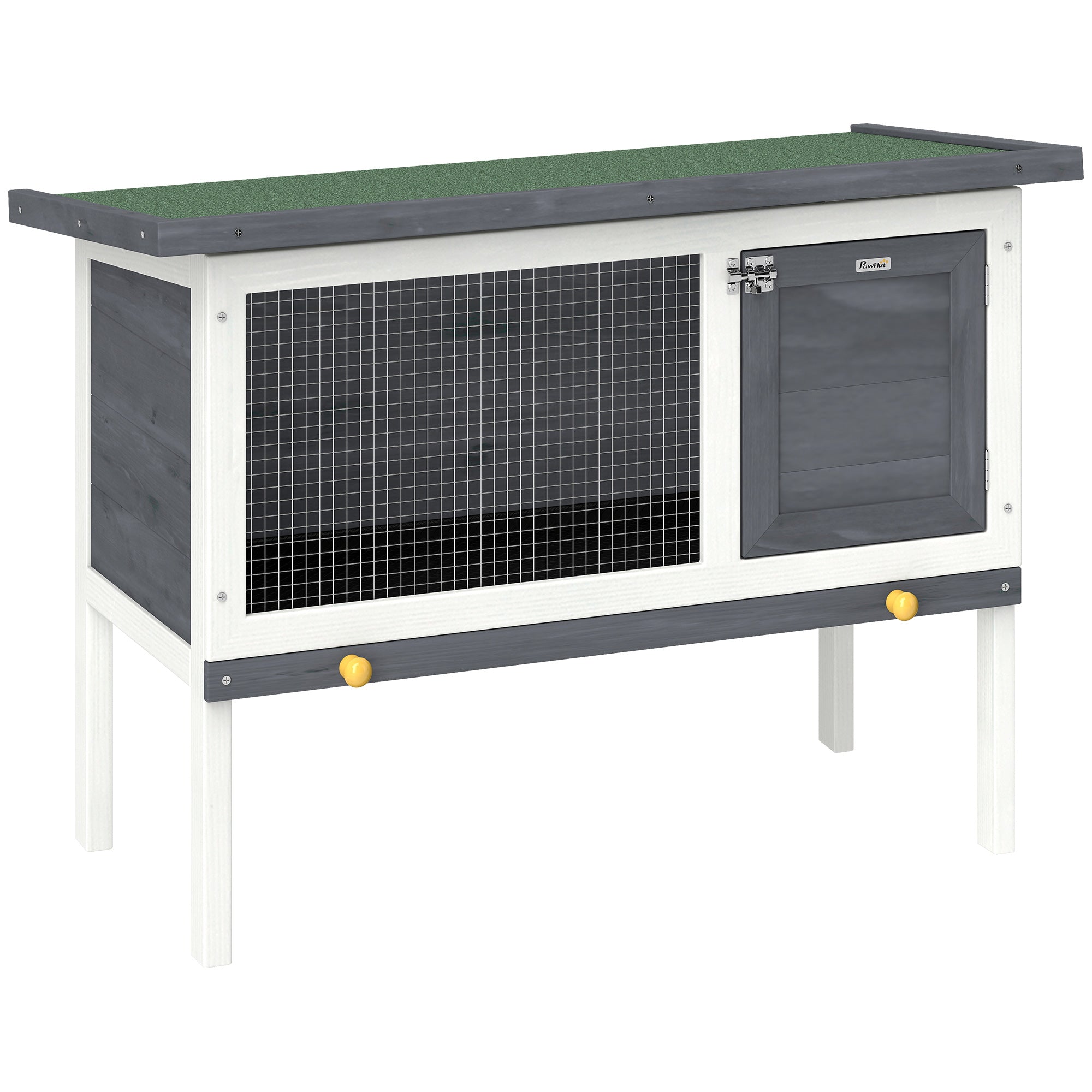
Outdoor rabbit hutches are designed to provide a sheltered resting area within a secure outdoor setup. Selected PawHut models feature wooden structures, asphalt-covered roofs, metal mesh panels and raised bases.
These features can help protect the sheltered section from ordinary outdoor exposure while providing ventilation and convenient access.
- Water-resistant roof coverings – Help protect the sheltered area from rain.
- Raised structures – Lift the sleeping area above ground level, helping reduce contact with damp surfaces.
- Metal mesh panels – Allow airflow and visibility while forming part of the enclosure structure.
- Lockable access doors – Help keep the enclosure securely closed.
Indoor Rabbit Hutches
Indoor rabbit hutches can provide a designated resting and sheltered area within a larger indoor pen or rabbit-proofed room. Selected PawHut models include wheels, removable trays and multiple access doors to simplify everyday care.
If using an indoor hutch, make sure rabbits have access to a sufficiently large, secure exercise area. Protect electrical cables, remove potentially harmful household items and provide non-slip flooring.
Outdoor and indoor arrangements should not be treated as interchangeable without considering temperature differences. Sudden changes between environments can cause stress and discomfort.
Weather Protection for Outdoor Living
Outdoor rabbit housing needs to provide protection from rain, wind, excessive sunlight and changing temperatures. A suitable shelter should remain dry, well ventilated and positioned away from exposed weather conditions.
Several PawHut outdoor rabbit hutches feature asphalt or bitumen roof coverings, designed to help protect the enclosed sleeping area from rain.
When comparing outdoor designs, consider the following:
- Sloping roofs – Help rainwater run away rather than collecting on the roof surface.
- Water-resistant roof coverings – Provide additional protection over the sheltered section.
- Raised bases – Help reduce moisture transfer from the ground.
- Ventilated panels – Allow airflow through the enclosure.
- Covered resting areas – Give rabbits somewhere to retreat from direct sunlight and adverse weather.
A weather-resistant roof does not make an entire rabbit hutch completely waterproof or suitable for every climate. Check the manufacturer's specifications and inspect the roof, joints and wooden surfaces regularly.
During warmer weather, provide additional shade and ensure the enclosure does not overheat. In cold or wet conditions, check that the sleeping area remains dry and adequately protected. Rabbits should always have access to suitable shelter and fresh water.
Keep Rabbits Safe from Predators
Outdoor rabbits need a secure enclosure that helps protect them from potential predators and prevents accidental escapes. A sturdy structure, suitable mesh and reliable door fastenings are important features when choosing an outdoor rabbit hutch.
The PawHut collection includes designs with galvanized wire mesh, metal doors, multiple locking points and enclosed activity areas.
- Galvanized metal mesh – Forms a protective barrier while allowing ventilation and visibility.
- Lockable doors – Help prevent accidental openings and unwanted access.
- Secure roof openings – Allow convenient access while keeping the structure closed when required.
- Strong frame construction – Helps maintain the overall stability of the enclosure.
- Secure ground positioning – Helps reduce the risk of predators digging underneath outdoor runs.
Pay particular attention to the mesh strength, opening size and locking mechanisms. The enclosure should be checked for gaps, damaged wire, loose fasteners and vulnerable ground-level sections.
A hutch should never be assumed to be predator-proof simply because it includes metal mesh. The complete outdoor setup, including its base, roof, doors and surrounding run, needs to be assessed.
Two-Tier Hutches and Connected Living Areas
Multi-level rabbit hutches provide separate sections within one structure, allowing the sheltered house and additional areas to be arranged vertically. Selected PawHut models include two floors, connecting ramps and individual access doors.
These designs can make use of vertical space, particularly where the available footprint is limited. However, additional levels should complement a spacious ground-level living area rather than replace it.
- Upper sleeping sections – Provide a raised sheltered area on selected models.
- Lower activity sections – Create additional enclosed space beneath or beside the main house.
- Connecting ramps – Allow rabbits to move between levels.
- Multiple doors – Make access and cleaning more convenient.
- Separate trays – Help manage waste in different sections of the hutch.
When choosing a multi-level design, check the ramp width, slope, surface grip and landing areas. Rabbits should be able to move between levels without struggling or encountering dangerous drops.
Also consider the overall floor area. A taller enclosure does not necessarily provide more useful running space than a larger ground-level run.
Choose the Right Hutch Size
The size of a rabbit hutch should be considered in relation to the rabbits' adult size, the number of animals and the available exercise area. Product descriptions may include suggested animal quantities, but these should not replace an assessment of actual usable space.
The Aosom collection includes different dimensions, from smaller sheltered rabbit houses to extended hutch-and-run combinations.
For example:
- Compact sheltered houses – Selected models measure around 90 x 45 x 65 cm and are designed primarily as small sheltered structures.
- Medium-sized hutch combinations – Models around 120–150 cm long offer different configurations of sleeping and enclosed areas.
- Extended rabbit hutches with runs – Larger designs measuring approximately 180–230 cm or more provide additional connected enclosure sections.
- Extra-long enclosures – Selected PawHut configurations extend beyond 300 cm and offer a larger overall footprint.
These are product dimension examples, not recommended minimum living-space sizes. Before ordering, compare the internal dimensions of the sleeping house and run separately, then consider the additional exercise area your rabbits will need.
Wooden Construction for Outdoor Shelters
Many PawHut rabbit hutches feature wooden frames, including fir, pine and spruce constructions. These materials give the enclosures a traditional garden-house appearance and can be combined with metal mesh, asphalt roof coverings and removable trays.
- Fir wood – Featured in selected outdoor rabbit houses and hutch frames.
- Pine wood – Used in several larger hutch-and-run structures.
- Spruce wood – Appears in selected multi-level rabbit hutch designs.
- Galvanized steel – Used for mesh sections and selected structural components.
- Asphalt or bitumen roofing – Provides a protective covering for selected outdoor models.
Wooden construction should be inspected regularly because outdoor exposure, moisture and chewing can gradually affect the material. Check the manufacturer's information about surface treatments and ensure any coating is suitable for the intended pet housing application.
Keep wooden sections dry where possible and replace damaged or deteriorating components when necessary. Avoid applying household wood treatments or chemicals unless they are confirmed as safe for animal environments.
Easy Cleaning with Pull-Out Trays
Maintaining a clean rabbit enclosure is essential for everyday hygiene. Removable trays make it easier to access areas where waste and bedding collect, reducing the amount of dismantling required during routine cleaning.
Many PawHut rabbit hutches feature pull-out trays beneath the sheltered house or enclosed activity sections. Selected larger designs include two or more removable trays.
- Deep pull-out trays – Collect bedding and waste beneath the sheltered area.
- Multiple trays – Allow different sections of a larger hutch to be cleaned separately.
- Wide access openings – Make it easier to reach internal areas during maintenance.
- Hinged roofs – Provide additional access for cleaning and checking the sleeping area.
For example, the PawHut 2-Tier Spruce Wood Rabbit Hutch with Two Pull-Out Trays combines a multi-level structure with separate removable bases and multiple lockable doors.
For everyday maintenance, remove soiled bedding and droppings regularly, clean food and water containers and make sure the sleeping area remains dry. A deeper clean should be carried out as needed, using pet-safe cleaning products and allowing the enclosure to dry completely before replacing bedding.
Ramps, Doors and Everyday Accessibility
A practical rabbit hutch should make it easy for both rabbits and owners to access the different sections. Ramps, doors and roof openings all influence how conveniently the enclosure can be used.
- Non-slip ramps – Help rabbits move between raised and lower sections.
- Multiple access doors – Make feeding, observation and cleaning easier.
- Hinged roof panels – Provide access from above for routine maintenance.
- Central connecting openings – Allow movement between the sheltered house and run.
- Lockable latches – Help keep doors securely closed.
Check that the ramps are firmly attached and have a suitable gradient. A non-slip surface can improve grip, while appropriately positioned barriers can help reduce the risk of falling from raised sections.
Make sure access openings are large enough for your rabbits to pass through comfortably and that no sharp edges or exposed fasteners are present.
Mobile Rabbit Hutches for Easier Access
Selected PawHut indoor and outdoor rabbit hutches feature wheels, allowing the structure to be moved when necessary. This can make access for cleaning and maintenance more convenient.
For example, the PawHut Wooden Rabbit Hutch with Wheels, measuring 91.5 x 53.3 x 73 cm, features a two-level layout, removable tray and opening roof.
When choosing a mobile hutch, check:
- Wheel construction – Make sure the wheels are suitable for the total weight of the assembled enclosure.
- Locking mechanisms – Check whether the wheels can be secured when the hutch is in position.
- Floor compatibility – Consider whether the wheels are suitable for your intended surface.
- Moving clearance – Ensure the surrounding space allows the structure to be repositioned safely.
A mobile hutch is not a substitute for a permanent, secure enclosure. Lock the wheels when stationary and never move a hutch while rabbits are inside unless the product is specifically designed and the movement can be carried out safely.
Create Separate Areas for Resting, Feeding and Toileting
A well-organised rabbit environment should offer different areas for different daily activities. Rabbits benefit from having a secure place to rest, access to food and water, a suitable toileting area and enough space to explore.
When arranging a rabbit hutch and connected run, consider the following:
- Resting area – Provide a sheltered section where rabbits can retreat and rest undisturbed.
- Feeding area – Keep hay, suitable food and fresh water accessible.
- Toileting area – Provide a suitable litter tray away from the main resting area where possible.
- Activity area – Leave sufficient open floor space for hopping and movement.
- Hiding places – Include additional shelters where rabbits can retreat individually.
- Enrichment area – Provide suitable chew toys, tunnels and opportunities to explore.
For households keeping more than one rabbit, provide enough resting and hiding spaces for each animal. This allows them to spend time together while also having opportunities to retreat separately.
Where to Position an Outdoor Rabbit Hutch
The position of an outdoor rabbit hutch affects its exposure to rain, wind, direct sunlight and potential predators. A carefully selected location can make the enclosure easier to maintain and provide a more comfortable environment throughout the year.
- Choose a sheltered position – Place the hutch away from strong prevailing winds and exposed areas.
- Avoid direct summer sunlight – Ensure rabbits have access to shaded areas throughout the day.
- Keep the ground well drained – Avoid locations where rainwater regularly collects.
- Provide predator protection – Position the enclosure where doors, mesh and surrounding boundaries can be checked easily.
- Allow ventilation – Avoid completely enclosed locations with poor airflow.
- Keep maintenance accessible – Leave enough room to open doors, remove trays and inspect the roof.
Even a hutch with a weather-resistant roof needs suitable positioning and regular inspection. Outdoor rabbit housing should provide access to shelter, shade and a larger exercise area rather than relying on the hutch alone.
Rabbit Hutch Safety and Maintenance Checklist
Before introducing rabbits to a new enclosure, inspect the complete structure and make sure the living environment is suitable for their size and daily needs.
- Door security – Check all latches and locking points.
- Mesh condition – Look for gaps, sharp edges, loose wires or damage.
- Roof protection – Inspect coverings, joints and potential water-entry points.
- Wooden frame – Check for moisture damage, splinters and chewing.
- Ramp stability – Make sure every ramp is securely attached and offers suitable grip.
- Flooring – Provide solid, non-slip surfaces rather than exposed wire floors.
- Tray condition – Ensure removable bases fit securely and are easy to clean.
- Overall space – Confirm that the complete enclosure allows normal movement and exercise.
Inspect outdoor structures more frequently after heavy rain, strong winds or periods of extreme weather. Replace damaged components promptly and keep the shelter clean and dry.
A More Complete Home for Your Rabbits
From traditional wooden rabbit houses to extended hutch-and-run combinations, the right setup should balance sheltered resting space, secure construction and room for everyday activity.
Explore the PawHut collection of rabbit hutches at Aosom EU, including outdoor rabbit houses, two-tier hutches, connected runs, removable-tray designs and mobile enclosures. Compare the internal dimensions, run configurations, roof construction, access points and cleaning features to find a suitable shelter for your rabbits.