
Heating
Bring Warmth into Focus with Heating Solutions for Your Home
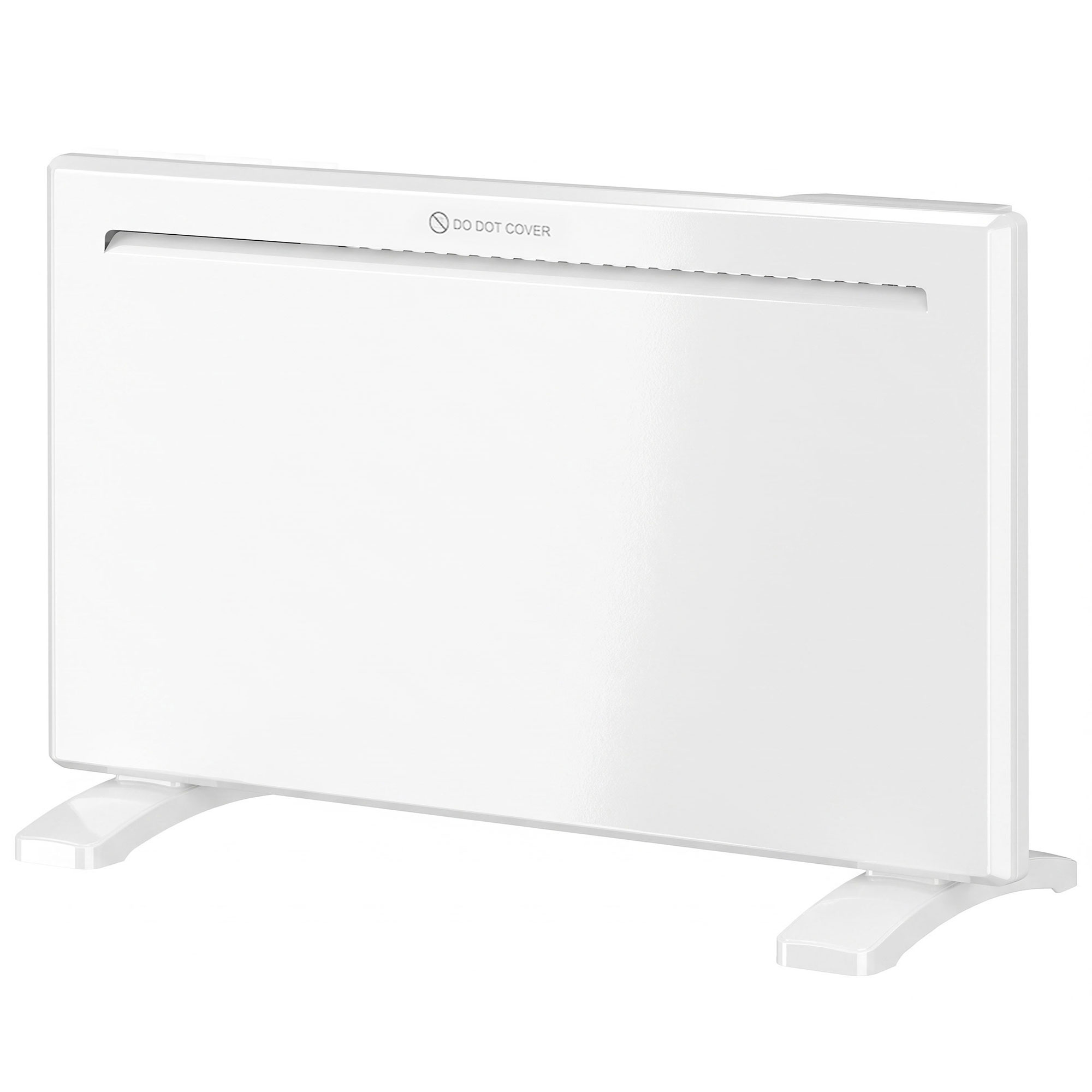
A fireplace can change the atmosphere of a room long before the temperature begins to rise. The glow of a flame, the warmth of a heating appliance and the finished appearance of a radiator all contribute to how a space feels during colder months. Whether you want an additional source of indoor heat or a decorative focal point for your living room, the right heating solutions can combine practical functions with thoughtful design.
The Aosom EU Heating collection brings together electric fireplaces, bioethanol fireplaces, radiator covers and fireplace screens. Discover different fireplace styles, heating capacities and installation options, alongside practical accessories that help integrate heating features into your existing interior.
Electric Fireplaces: Convenient Warmth with a Realistic Flame Effect
An electric fireplace offers a convenient way to introduce supplementary heating and the visual appeal of a fireplace without installing a traditional wood-burning system. Depending on the model, adjustable heat settings, thermostat controls and realistic flame effects allow you to customise the experience for different rooms and occasions.
Explore electric heating appliances for everyday indoor comfort and discover electric fireplace designs with different power settings, flame effects and control options.
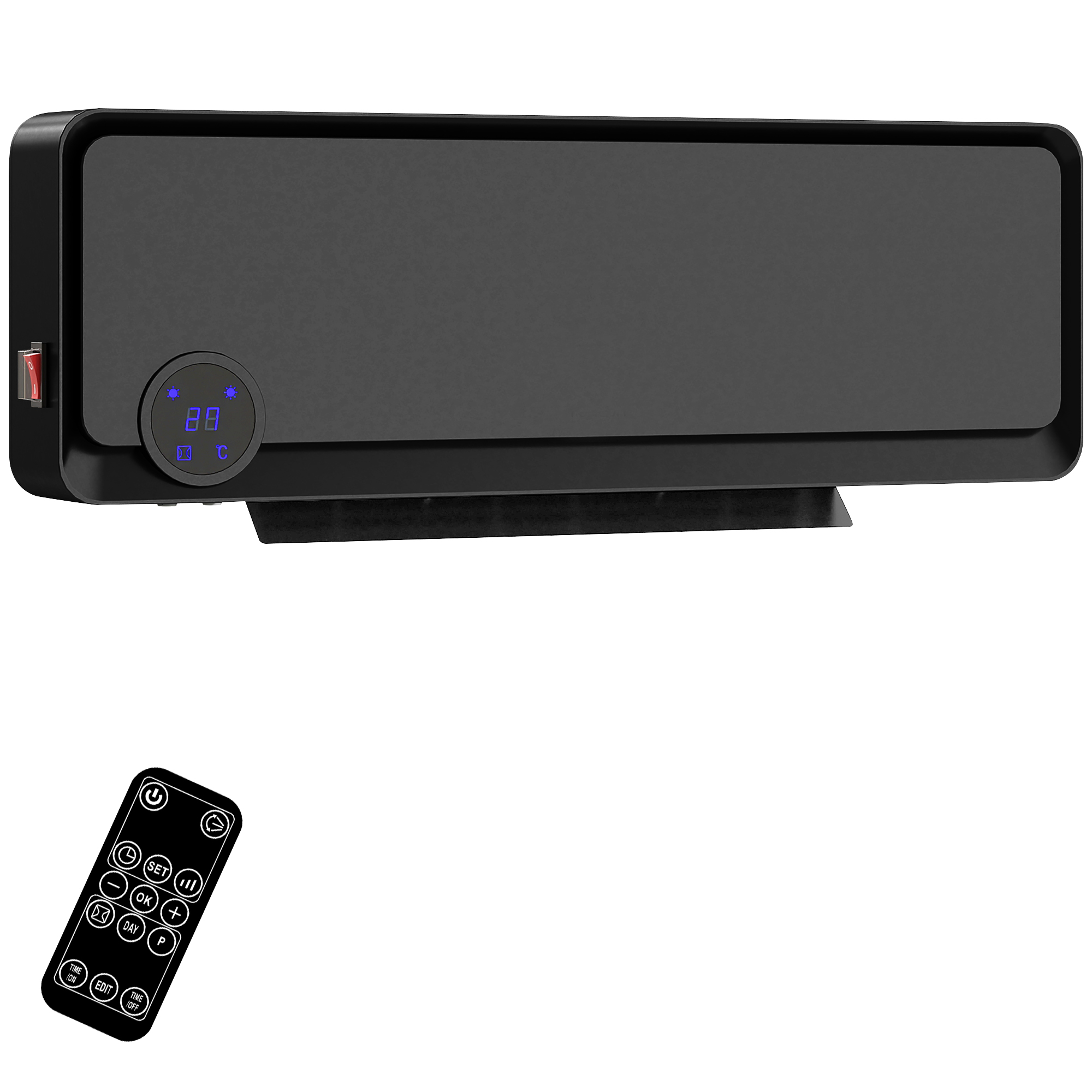
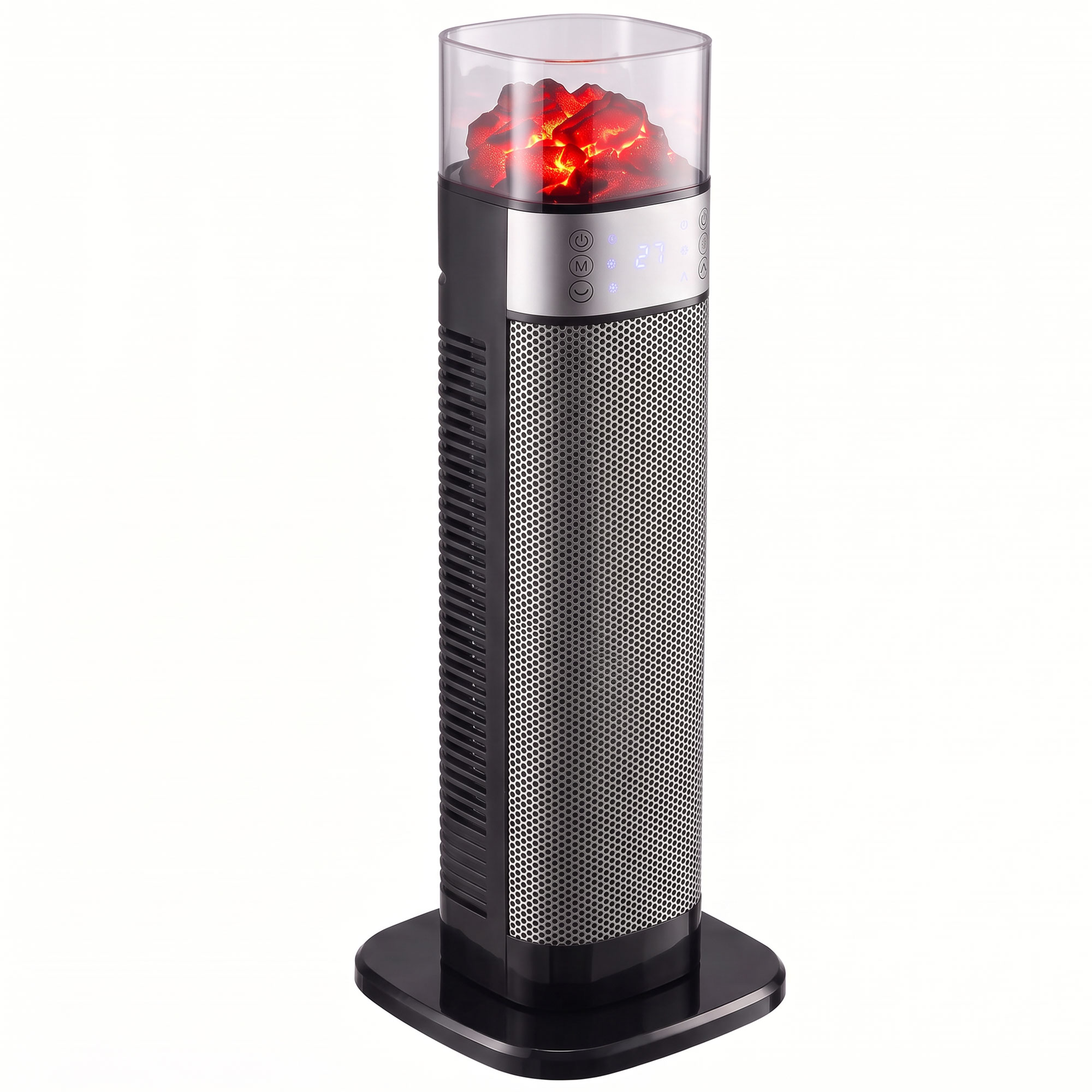
The current range includes freestanding electric fireplace stoves, wall-mounted fireplaces and decorative mantel-style designs. Selected models offer 900W/1800W or 1000W/2000W heating settings, adjustable thermostats, remote controls, timers and overheat protection.
Some electric fireplaces also feature 3D flame effects or multiple flame colour settings, allowing you to enjoy the visual atmosphere independently of the room's decorative style. For example, a freestanding fireplace stove can create a traditional focal point, while a slim wall-mounted model works well in contemporary interiors where floor space is limited.
Choose the Right Electric Fireplace Style
Electric fireplaces come in several configurations, each offering different advantages depending on the room layout and available installation space.
- Freestanding electric fireplaces – Flexible placement without requiring a permanent wall installation. Stove-inspired designs work particularly well as standalone decorative features.
- Wall-mounted electric fireplaces – Create a streamlined appearance while keeping the floor area clear. They are useful in living rooms and other spaces where furniture placement matters.
- Built-in electric fireplaces – Designed to integrate into a suitable fireplace surround or fitted interior feature, creating a more seamless appearance.
- Mantel-style electric fireplaces – Combine a decorative surround with an electric fireplace insert for a more traditional fireplace look.
Before choosing a model, compare its overall dimensions, heating output and recommended room suitability. Check the required clearance around the appliance and follow the installation instructions, particularly for wall-mounted or built-in designs.
Understand Heating Power Before You Buy
Wattage is one of the most useful specifications when comparing electric fireplaces. It indicates the electrical power used by the heating element and helps distinguish between different heating settings.
For example, a fireplace with 900W and 1800W settings offers two heating levels, while a 1000W/2000W model provides a higher maximum output. A lower setting can be useful when less supplementary heat is needed, while the higher setting provides more heating capacity when conditions are colder.
However, wattage alone does not determine how effectively a fireplace will warm a room. Room size, ceiling height, insulation, draughts and existing heating all influence the result.
- 900W–1000W settings – Lower heating output for situations where more moderate supplementary heat is preferred
- 1200W–1600W settings – Intermediate output available on selected models
- 1800W–2000W settings – Higher output for additional heating in suitable indoor spaces
Always check the manufacturer's recommended room area and operating instructions rather than selecting a fireplace based on wattage alone.
Bioethanol Fireplaces: Enjoy the Appeal of a Real Flame
For those who prefer the movement and appearance of a real flame, a bioethanol fireplace offers a different experience from an electric model. Instead of producing a simulated flame effect, it burns liquid bioethanol fuel in a dedicated burner, creating a visible flame without the need for a traditional wood-burning chimney.
Discover bioethanol fireplaces in freestanding, wall-mounted and built-in designs, with different burner capacities, stainless steel components and tempered glass details.
Freestanding bioethanol stoves can serve as decorative features in suitable indoor spaces, while wall-mounted models create a more architectural appearance. Built-in designs can be integrated into an appropriately prepared fireplace feature, provided the installation meets the manufacturer's requirements.
Selected models in the collection feature 0.9L, 1.2L, 1.5L or larger burner capacities, with stated burning times of approximately three hours depending on the model and operating conditions.
What to Consider When Choosing a Bioethanol Fireplace
Unlike an electric fireplace, a bioethanol model uses an open flame. Its suitability therefore depends on more than appearance and dimensions.
- Burner capacity – Compare the fuel capacity and manufacturer's stated operating time.
- Installation type – Choose between freestanding, wall-mounted and built-in configurations according to the intended location.
- Burner material – Stainless steel components are used in selected models and are designed for the fireplace's fuel-burning function.
- Flame control – Check whether the model includes an appropriate flame-control or extinguishing tool.
- Room suitability – Follow the manufacturer's requirements for indoor use, room size and ventilation.
A larger burner does not automatically mean a better choice. Consider the available space, intended frequency of use and the manufacturer's operating specifications before deciding.
Real Flames Require Careful Operation
Bioethanol fireplaces require more attention during use than electric flame-effect models. Because they burn fuel and produce an open flame, correct handling and adequate ventilation are essential.
- Use only the fuel type specified by the manufacturer.
- Never refill a burner while it is lit or still hot.
- Allow the fireplace to cool completely before refuelling.
- Keep combustible materials, curtains and upholstered furniture at the required safe distance.
- Use the supplied extinguishing tool and follow the manufacturer's shutdown procedure.
- Keep children and pets away from the fireplace during operation.
- Never leave a burning fireplace unattended.
Bioethanol combustion consumes oxygen and releases combustion products, including carbon dioxide and water vapour. Follow the specified ventilation requirements and never use a fireplace in a room that does not meet its operating conditions. A bioethanol fireplace should not be treated as a replacement for a properly designed primary heating system.
Radiator Covers: Give Functional Heating a More Refined Appearance
Radiators are an essential part of many homes, but their appearance does not always complement the surrounding furniture. A radiator cover provides a way to integrate an existing radiator into the room's interior while adding a more finished look to the wall.
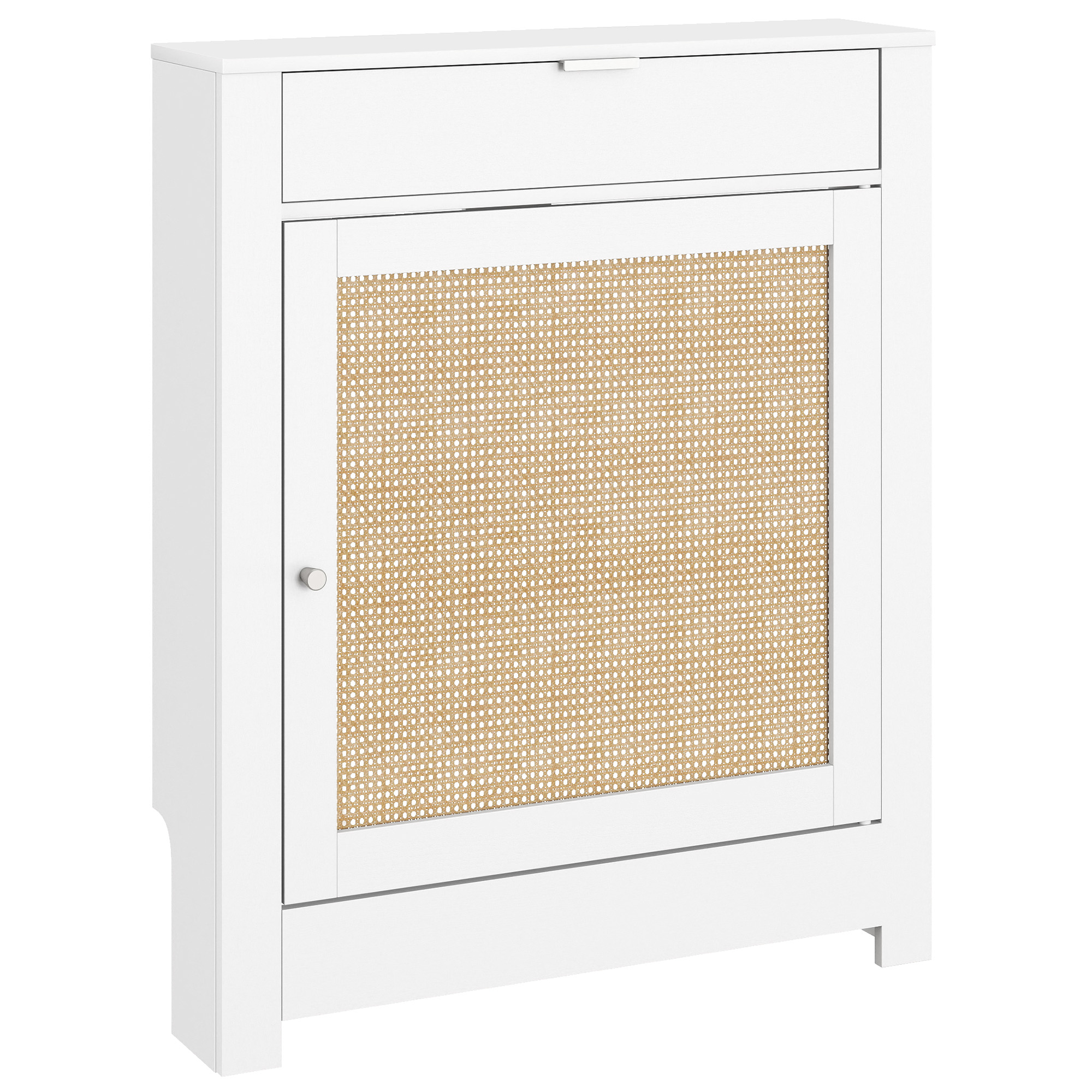
Explore modern radiator covers made from MDF, with designs featuring horizontal or vertical slatted fronts, decorative top shelves, drawers and different finishes.
The collection includes compact radiator covers for smaller heating units as well as wider models designed for larger radiators. Selected designs also incorporate anti-tip fittings, helping improve stability when correctly installed.
Measure Your Radiator Before Selecting a Cover
The correct dimensions are essential when choosing a radiator cabinet. A cover that is too narrow, too shallow or too low may interfere with installation or restrict the space required around the radiator.
Measure the full width, height and depth of the radiator, including valves, pipework and any projecting components. Then compare these measurements with the internal dimensions of the radiator cover rather than relying only on its external size.
- Width – Allow sufficient clearance on both sides of the radiator.
- Height – Check the space between the radiator top and the cover's upper panel.
- Depth – Include any pipes, valves and wall projections that affect the available space.
- Ventilation – Ensure the design allows adequate airflow through its slatted structure and openings.
- Access – Consider whether the radiator valves remain accessible for adjustment and maintenance.
Never assume that a radiator cover is suitable for every type of heating system. Follow the manufacturer's clearance requirements and ensure the cover does not obstruct the radiator's intended heat circulation.
Choose a Radiator Cover That Complements Your Interior
A radiator cover can also become a subtle piece of furniture. Its finish and proportions influence how naturally it fits into the room.
White MDF radiator covers work well in bright, contemporary interiors, while oak-effect and natural wood finishes can introduce warmth into more traditional spaces. Slatted fronts create a lighter visual appearance than solid panels, helping the radiator area feel less enclosed.
Selected models feature additional drawers or top shelves, providing space for lightweight decorative accessories. Always check the stated shelf load capacity and keep heat-sensitive materials away from warm surfaces.
Fireplace Screens: Add a Protective Barrier Around the Hearth
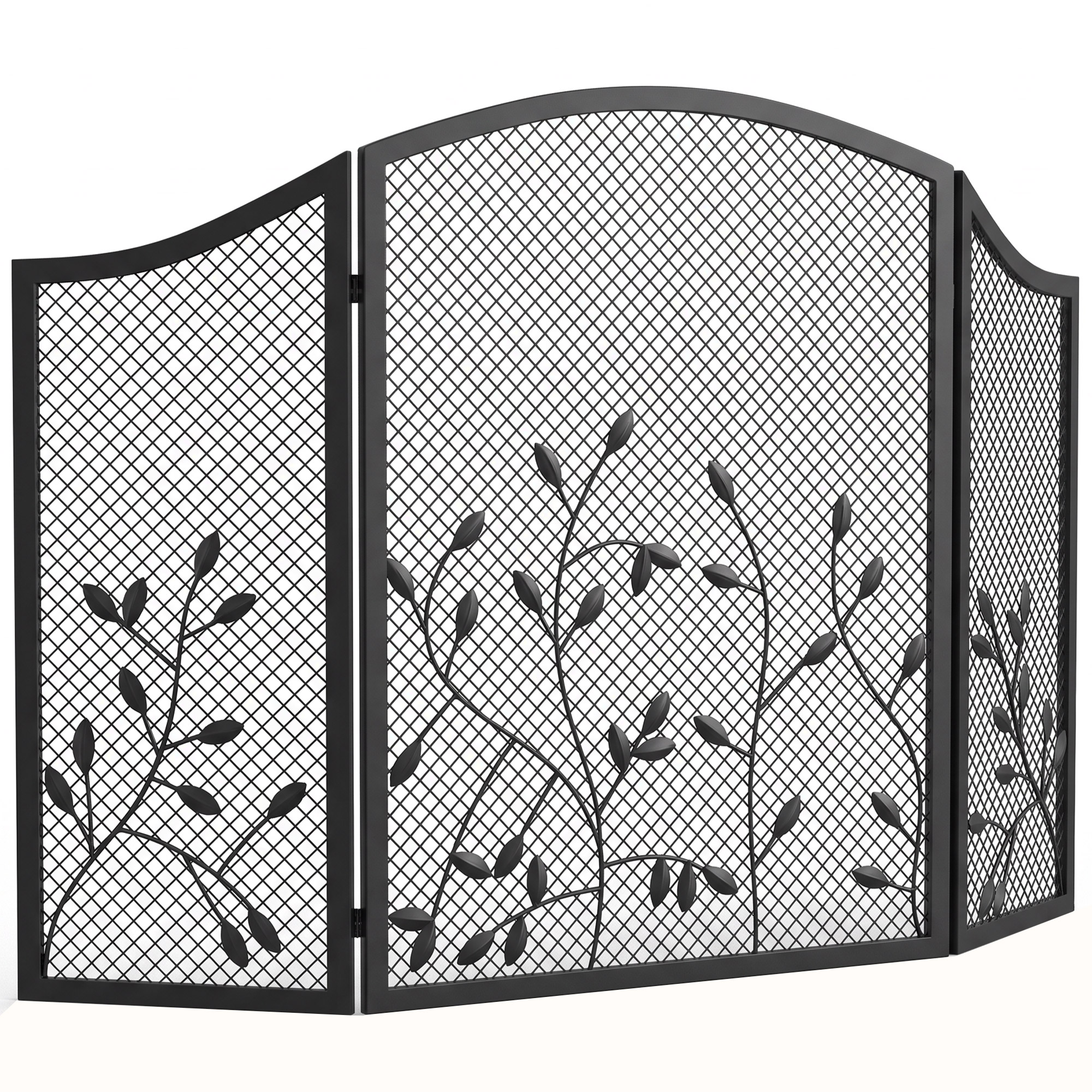
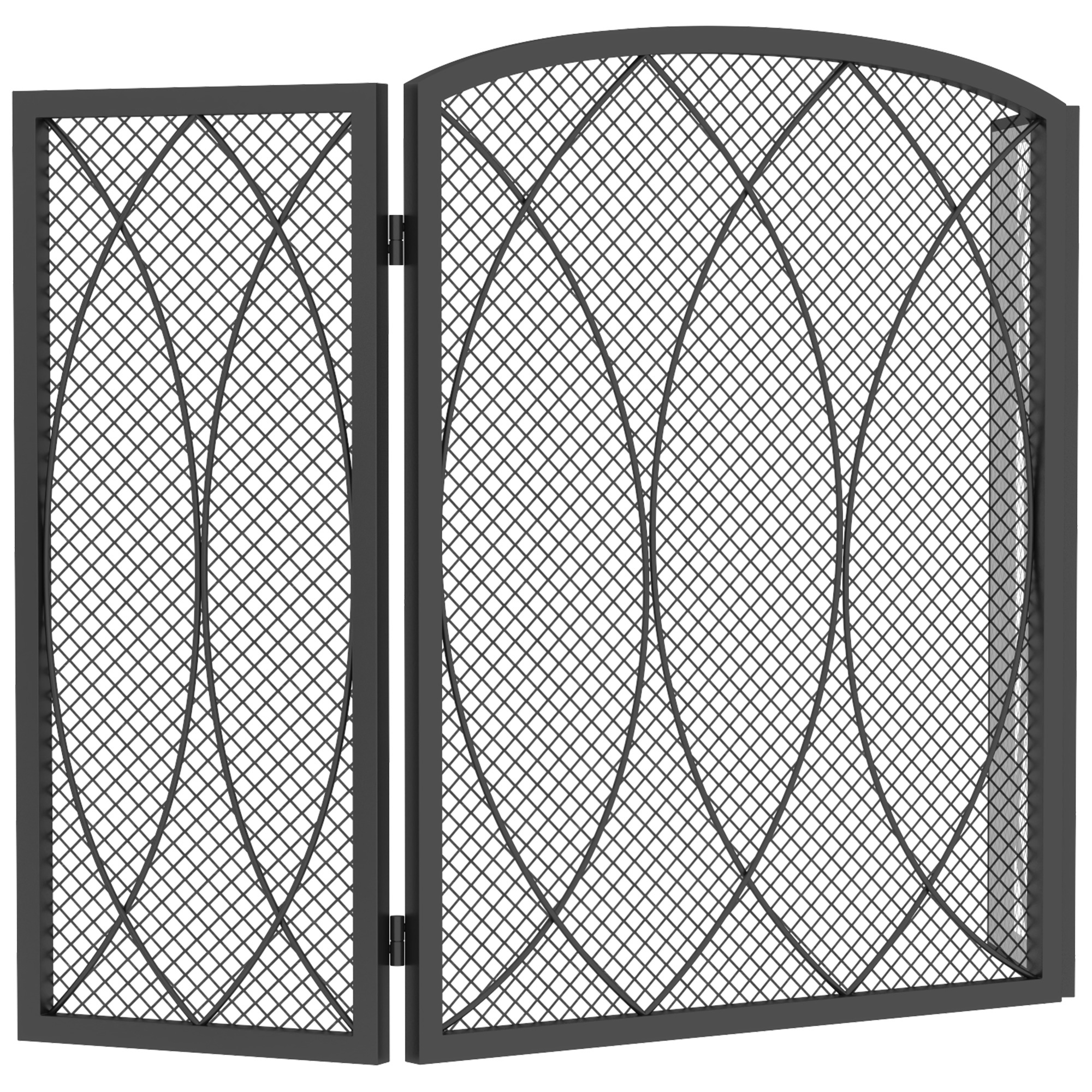
A fireplace screen provides an additional barrier between an open fire and the surrounding living area. It can help reduce the risk of sparks and embers reaching nearby flooring, furniture or other objects.
Discover folding fireplace screens, three-panel fire guards and adjustable metal spark guards in different widths and heights.
Three-panel designs can be positioned around the fireplace opening, while adjustable models offer more flexibility when the width of the hearth varies. Selected products feature hinged sections, magnetic closure doors and foldable structures for convenient positioning.
When choosing a fireplace screen, measure the fireplace opening and compare the screen's height and width. It should provide appropriate coverage without obstructing safe access to the fireplace.
Keep Fireplace Accessories Suitable for the Heat Source
Different fireplace types require different protective accessories. A fire screen intended for a traditional open fireplace should not automatically be assumed suitable for every electric or bioethanol model.
Check the product's intended application and the fireplace manufacturer's safety instructions before combining accessories. Keep the screen stable and correctly positioned, and never use it as a substitute for the protective features required by the heating appliance.
Combine Heating Features with Your Existing Room Design
Heating equipment can be practical without looking out of place. A decorative electric fireplace can become a focal point beneath a television, a slim wall-mounted model can complement contemporary furniture, and a radiator cover can make an existing heating area feel more integrated into the room.
For a coordinated interior, consider the fireplace finish alongside your existing furniture, wall colours and decorative materials. Black metal finishes create a more defined contrast, while white and natural wood details can blend more quietly into lighter interiors.
You can also explore decorative home accessories and interior finishing details to complement your fireplace area with carefully selected mirrors, plants and decorative accents.
Installation and Maintenance: Details That Matter
Correct installation and regular maintenance help keep heating products in suitable working condition. The requirements differ between electric fireplaces, bioethanol burners, radiator covers and fireplace screens.
- Electric fireplaces – Keep air inlets and outlets clear, avoid covering the appliance and inspect power cables regularly.
- Bioethanol fireplaces – Keep burners clean according to the instructions and inspect fuel containers and extinguishing components before use.
- Radiator covers – Remove dust from slatted panels and check that the structure remains securely positioned.
- Fireplace screens – Inspect hinges, feet and connecting sections for damage or instability.
Switch off and unplug electrical appliances before cleaning. Allow fireplaces and their components to cool completely before carrying out maintenance. Do not use abrasive cleaners on coated metal, glass or decorative finishes unless specifically permitted by the manufacturer.
Find the Heating Solution That Fits Your Home
A more comfortable home can start with a single well-chosen addition. An electric fireplace brings convenient supplementary heat and adjustable flame effects, a bioethanol fireplace introduces the character of a real flame, and a radiator cover gives an existing heating feature a more considered appearance.
Whether you are looking for a modern wall-mounted electric fireplace, a freestanding bioethanol stove, a practical radiator cabinet or a fireplace spark guard, explore the complete range of heating solutions and fireplace accessories at Aosom EU to find the right combination of function, design and everyday comfort.