

From First Rides to Bigger Adventures: Find the Right Children's Vehicle
Few toys give children the same sense of independence as their first set of wheels. A toddler may begin by pushing along on a simple ride-on, progress to balancing and pedalling, and eventually enjoy steering an electric car or go-kart of their own.
Our children's vehicles collection covers different stages of that journey, from balance bikes, ride-ons and tricycles to pedal go-karts and kids' electric vehicles. Choosing the right model comes down to more than age alone: stability, controls, speed, seat adjustment, weight capacity and where the vehicle will be used all help determine which ride will feel comfortable and enjoyable.
Match the Vehicle to Your Child's Riding Stage
Children develop coordination and confidence at different rates, so the manufacturer's recommended age should always be the starting point rather than choosing a vehicle simply because it looks exciting.
For younger children, stable ride-ons and tricycles introduce steering and movement at a manageable pace. As balance and coordination improve, balance bikes and pedal vehicles add more active control. Older children can progress to electric vehicles with age-appropriate speeds and controls.
· Early riders – Stable ride-ons and three-wheel designs help introduce steering and self-propelled movement
· Developing riders – Balance bikes and tricycles encourage coordination, balance and independent movement
· Confident pedal riders – Pedal go-karts add steering, braking and more active outdoor play
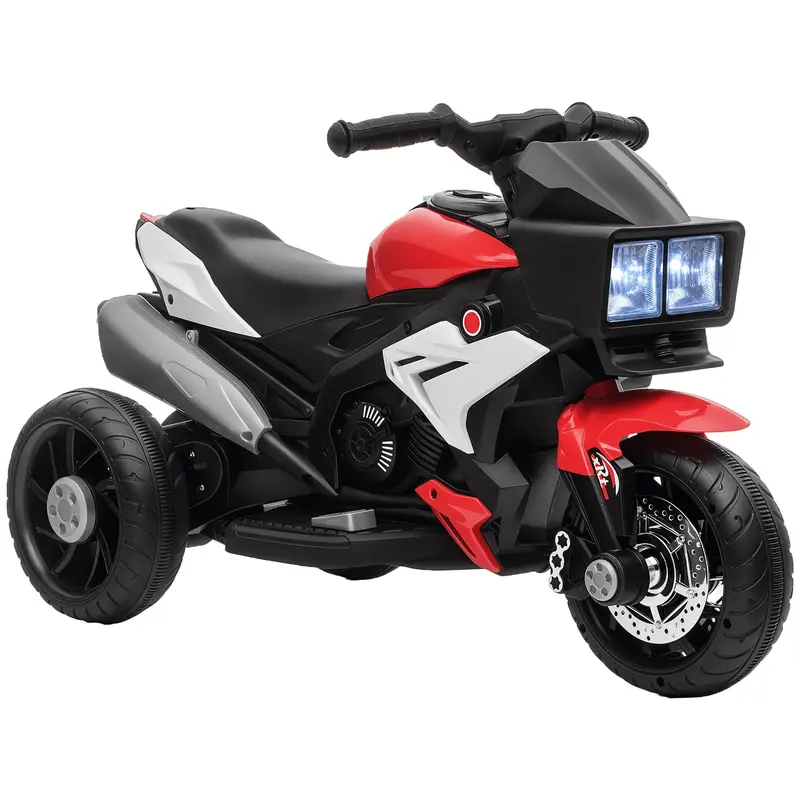
· Ready for powered riding – Age-appropriate electric cars, motorcycles and go-karts introduce battery-powered driving
Always check the individual product's recommended age, maximum user weight and dimensions before purchasing, as specifications vary considerably between models.
Start Simple with Balance Bikes and Ride-ons
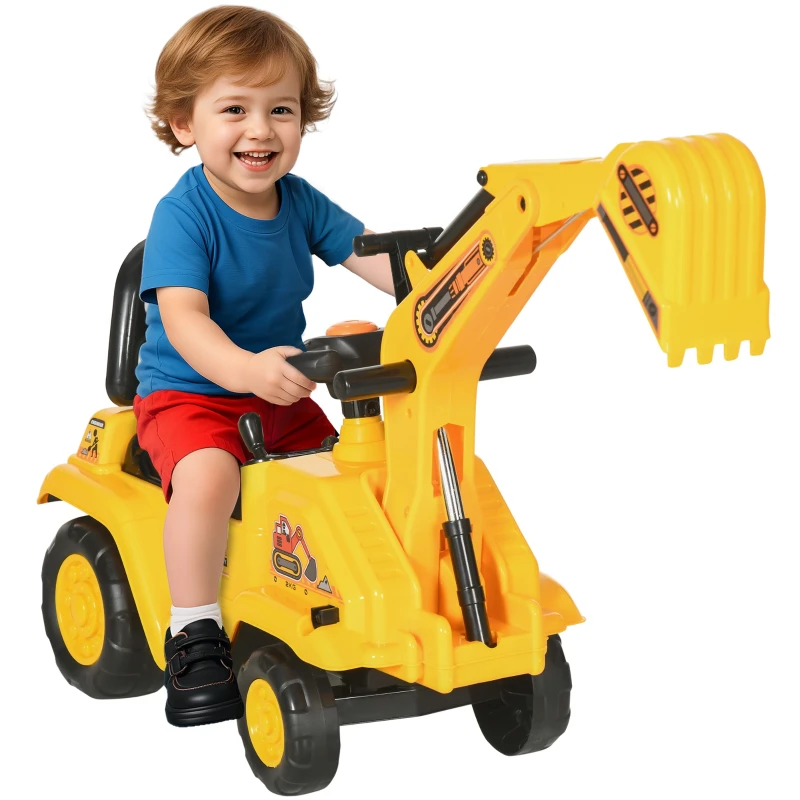
For a child's first vehicle, simplicity can be an advantage. Foot-to-floor ride-ons allow children to control movement with their own legs while learning how steering changes direction. Balance bikes gradually introduce the coordination needed to keep two wheels stable without immediately adding the complexity of pedalling.
Explore balance bikes and first ride-ons for younger riders with options designed for different early riding stages.
Some models add adjustable seats, training wheels, lights, horns or under-seat compartments without making the basic riding action complicated. For example, a toddler ride-on with a steering wheel, headlights and hidden storage combines imaginative car play with foot-powered movement.
Move from Three Wheels to Greater Independence
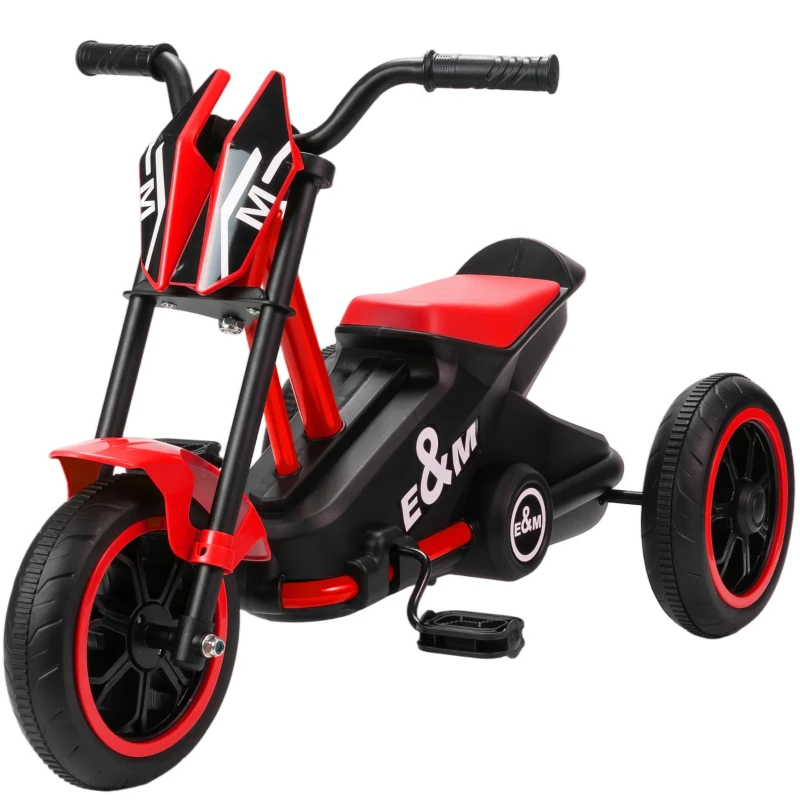
Tricycles provide a useful bridge between early ride-ons and more independent cycling. Three-wheel stability allows children to concentrate on pedalling and steering while developing leg strength and coordination.
Browse children's tricycles for stable pedal-powered adventures and compare wheel design, seat position, handlebar height and recommended age.
A child's feet should be able to reach the pedals comfortably without excessive stretching. Adjustable components can extend the useful life of a vehicle as the rider grows, but they should always remain within the manufacturer's stated adjustment range.
Turn Pedalling into an Adventure with a Go-Kart
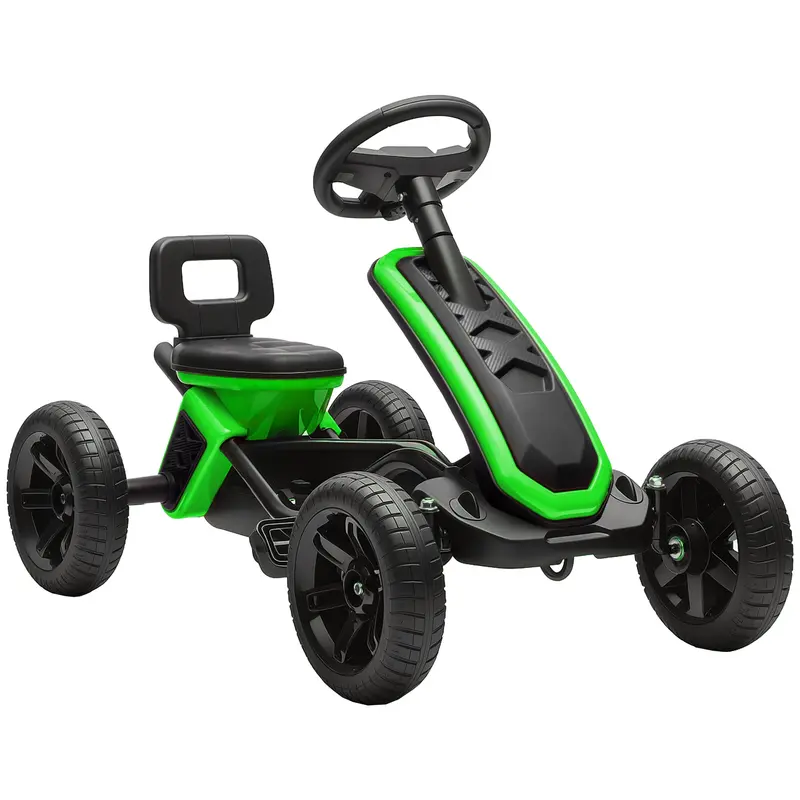
Pedal go-karts turn children's own energy into movement. They combine pedalling with steering and braking, creating a more involved riding experience without relying on a rechargeable motor.
Discover pedal go-karts for active outdoor riding with features such as adjustable seats, hand brakes, forward and reverse movement, chain drives and EVA or pneumatic-style wheels depending on the model.
Seat adjustment is particularly useful for growing children. Set the seat so the rider can reach the pedals through their full rotation while maintaining a comfortable seated position. Check brakes, steering and wheel fixings regularly, especially when the go-kart is used frequently outdoors.
Choose a Kids' Electric Vehicle by More Than Its Looks
Licensed styling, headlights and realistic sounds make electric ride-ons exciting, but the specifications underneath are what determine whether the vehicle suits the child.
Explore kids' electric cars, motorcycles and go-karts with different battery systems, motor configurations, speeds and control features.
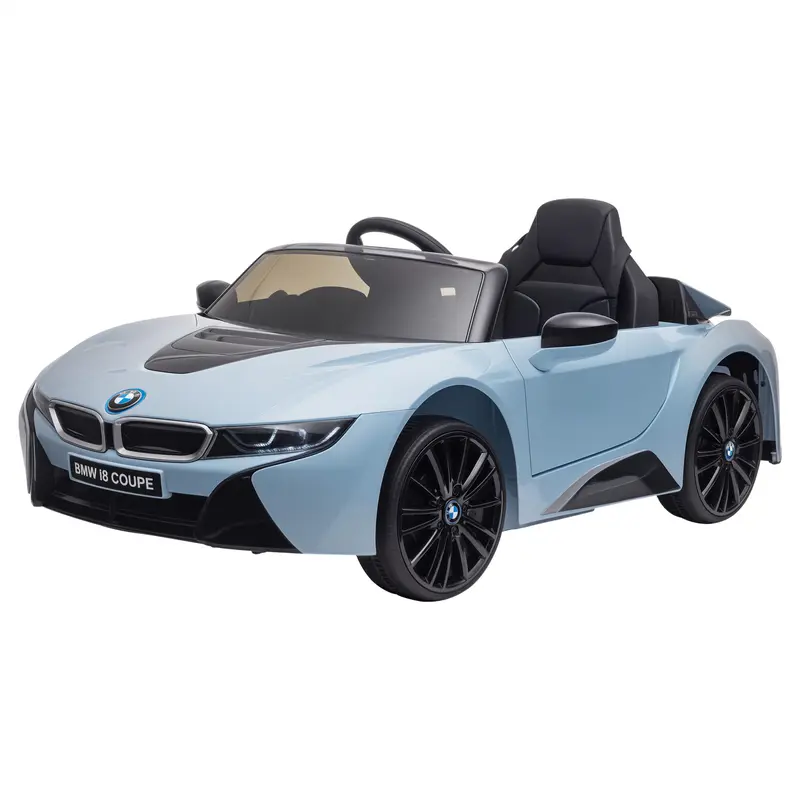
The current range includes everything from lower-speed 6V motorcycles to 12V electric cars and more powerful electric go-karts. Some electric cars include parental remote controls, safety belts and slow-start functions, while selected go-karts offer adjustable speed settings and drift modes.
For example, a 12V kids' electric car may combine a 2.4G parental remote control with a safety belt, lights, music and reverse movement, while an electric drift go-kart designed for older children can offer selectable speeds for a more advanced riding experience.
Understand Voltage, Speed and Battery Performance
Voltage is useful when comparing children's electric vehicles, but it should not be treated as the only measure of performance. Motor configuration, rider weight, terrain, battery condition and vehicle design can all influence how a ride-on performs.
Always compare the product's stated maximum speed and recommended age rather than assuming that every vehicle with the same battery voltage behaves in the same way.
· 6V vehicles – Common among gentler electric ride-ons intended for younger children
· 12V vehicles – Often used in larger electric cars, motorcycles and go-karts with additional functions
· 24V vehicles – Found on selected higher-performance models intended for older riders
Charge the battery according to the supplied instructions and use the correct charger for the vehicle. Avoid storing a rechargeable ride-on with a completely depleted battery for extended periods, and keep electrical components protected from rain and standing water.
Look for Safety Features That Match the Type of Ride
Safety requirements change as vehicles become faster and more complex. Stable wheel layouts and controlled steering are particularly important for younger riders, while powered vehicles may add seat belts, parental remote controls, slow-start systems and adjustable speed settings.
Before each ride, check that wheels, steering, pedals, brakes and the seat are secure. On electric models, inspect the battery compartment and controls and make sure the vehicle responds correctly before the child begins riding.
Children should use ride-on vehicles under appropriate adult supervision and follow the safety guidance supplied with the individual product. Suitable protective equipment should be used where recommended for the vehicle and riding environment.
Choose the Right Ground for a Better Ride
Where the vehicle will be used matters almost as much as the vehicle itself. Smooth, level surfaces generally provide easier steering and more predictable movement, while uneven ground places greater demands on tyres, ground clearance and stability.
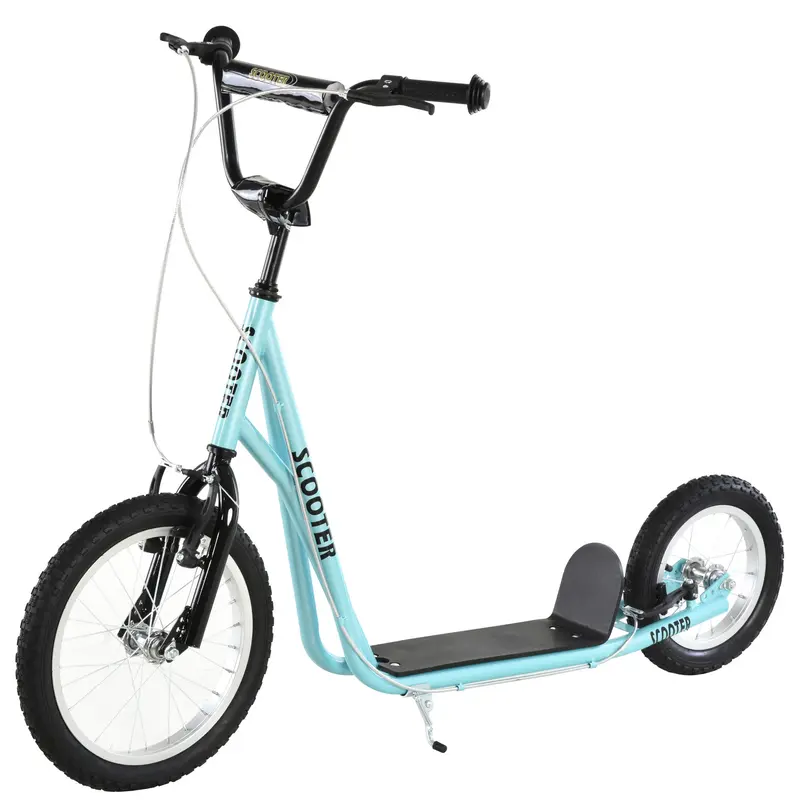
Smaller plastic wheels are generally better suited to smoother surfaces. EVA wheels can provide a more forgiving ride on everyday outdoor surfaces, while larger air-filled tyres on selected scooters can handle minor bumps more comfortably.
Avoid steep slopes, public roads, traffic areas, swimming pools and other hazardous locations. Wet or loose surfaces can reduce grip and affect braking, so riding conditions should always be checked before use.
Don't Forget the Size of the Vehicle
Children's vehicles can vary dramatically in size. A toddler ride-on may fit easily into a hallway or cupboard, while a licensed electric car or larger go-kart requires significantly more room for both riding and storage.
Check the full assembled dimensions before ordering and consider where the vehicle will be kept between rides. Foldable scooters offer an advantage where storage space is limited, while larger electric vehicles are best kept in a dry, sheltered location with convenient access to charging.
Keep Every Ride Ready for the Next Adventure
A few routine checks can help children's vehicles remain reliable and enjoyable. Remove dirt from wheels after outdoor use, keep moving components free from debris and periodically inspect nuts, bolts and adjustment points.
· Check tyres or wheels regularly for visible wear or damage
· Test brakes and steering before regular outdoor use
· Keep pedal chains and moving parts maintained according to the product manual
· Store electric vehicles and chargers in a dry location
· Follow the manufacturer's charging instructions and recommended charging times
· Do not exceed the stated maximum user weight
Let the Next Ride Grow with Their Confidence
The best children's vehicle is one that makes movement feel exciting while remaining appropriate for the rider's current abilities. A first ride-on can introduce steering, a balance bike can build coordination, a pedal go-kart can turn exercise into play, and an electric vehicle can make independent driving feel like a real adventure.
Explore the complete range of children's vehicles for every stage of riding and find the right wheels for their next outdoor adventure.