
Cat Trees
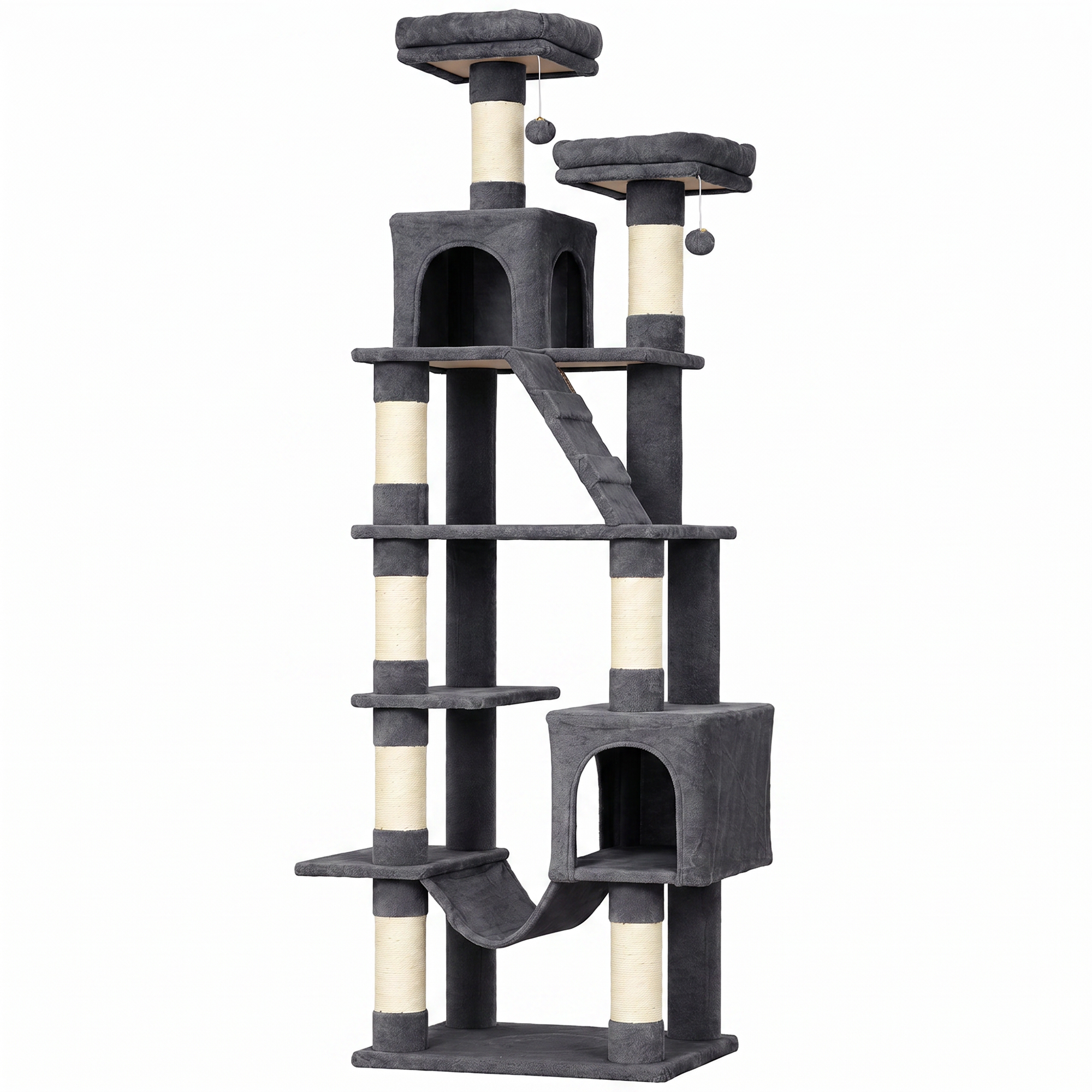
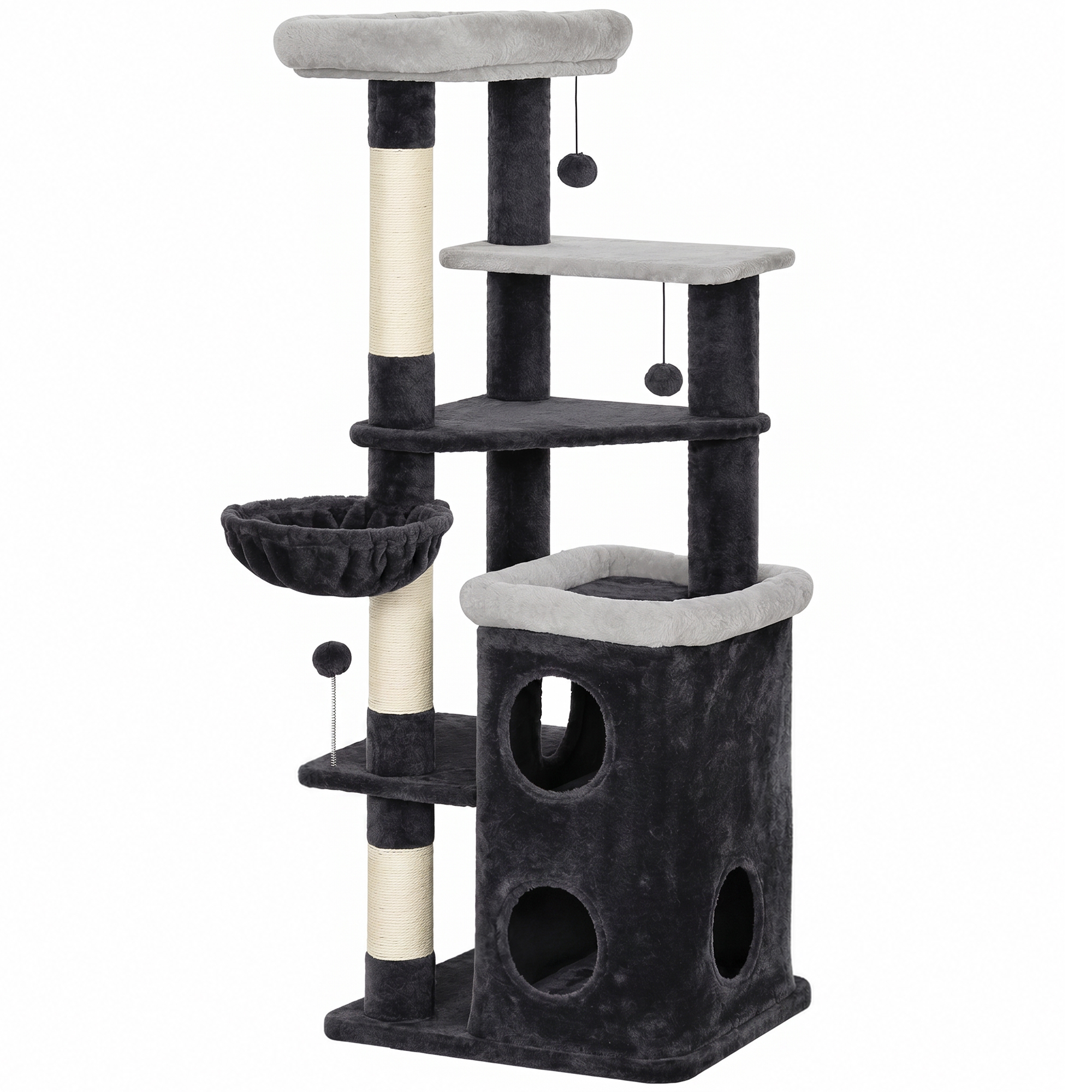
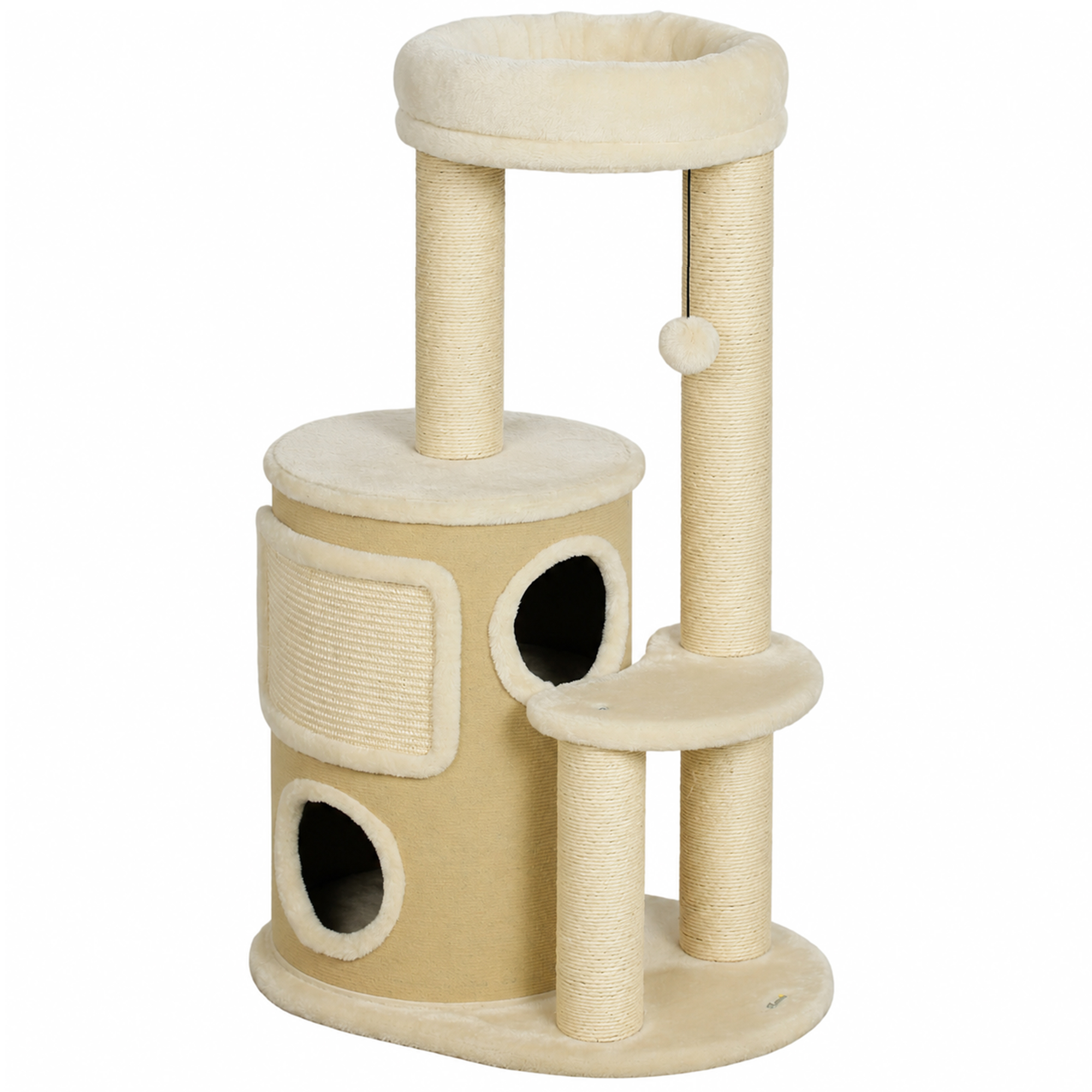
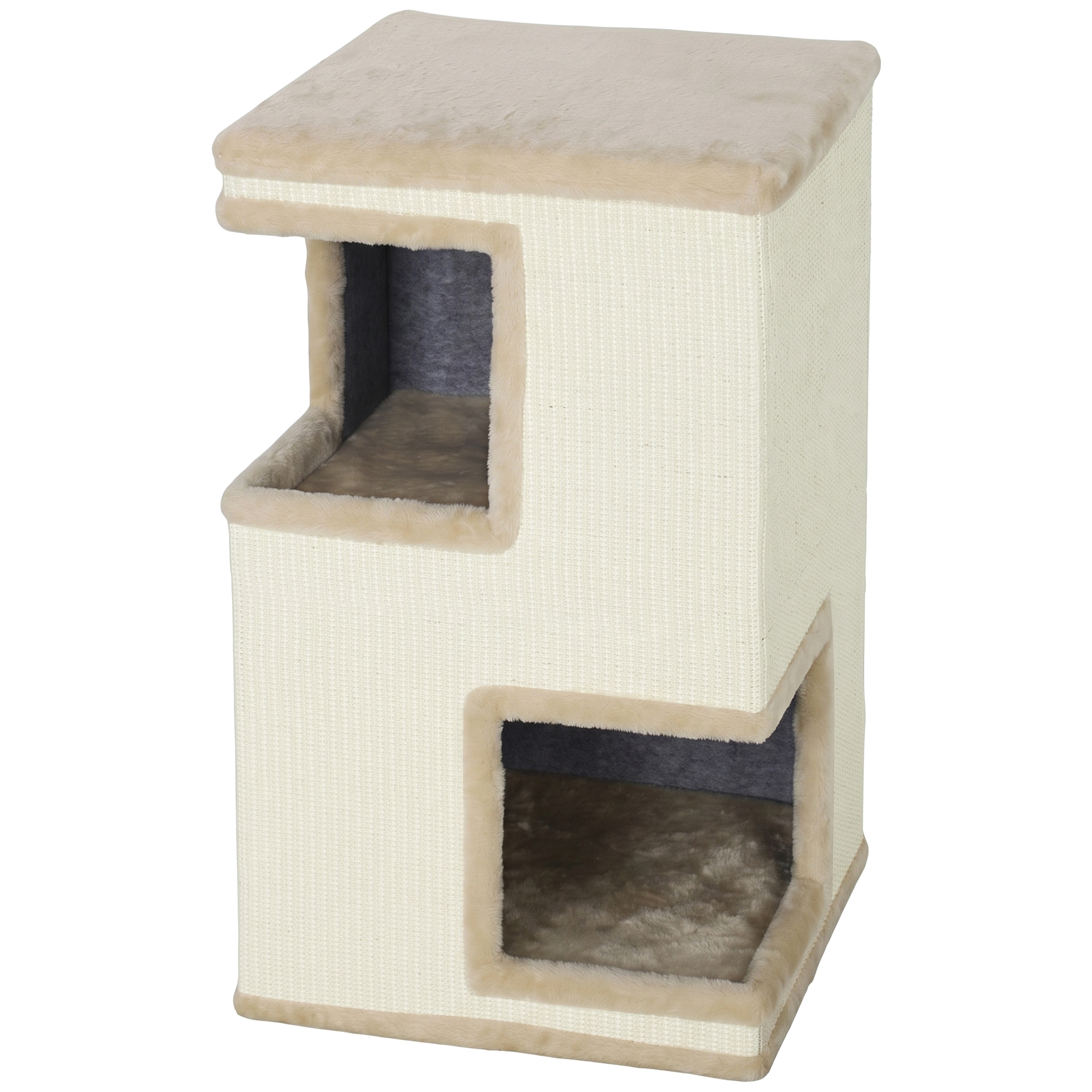
Give Your Cat More Room to Climb, Scratch & Explore
Cats naturally love to climb, observe their surroundings and find comfortable places to rest. A cat tree brings these activities together in one dedicated indoor space, giving your feline companion somewhere to play, stretch, scratch and relax. From compact scratching towers to impressive floor-to-ceiling climbing structures, the right cat tree can make everyday indoor life more interesting while helping you make better use of vertical space.
The PawHut cat tree collection at Aosom EU features a variety of designs, including multi-level cat towers, scratching posts, enclosed cat condos, hammocks, wall-mounted climbing sets and adjustable floor-to-ceiling structures. Whether your cat prefers a quiet elevated perch or an active climbing environment, discover practical designs that combine play, comfort and natural scratching opportunities.
Think Vertically: Make More of Your Indoor Space
Cats often enjoy elevated positions because they provide a different perspective of their surroundings. A high platform allows them to observe the room, watch household activities and retreat to a quieter resting spot. In homes where floor space is limited, a multi-level cat tree can introduce additional activity areas without requiring a large footprint.
The PawHut collection includes several vertical configurations, from compact 100 cm cat towers to larger structures measuring approximately 150–173 cm. Selected floor-to-ceiling models can be adjusted to fit ceiling heights of approximately 220–285 cm.
Different designs offer different ways to use vertical space:
- Multi-level cat towers – Combine several platforms at different heights for climbing and resting.
- Tall cat trees – Provide elevated observation points and additional activity levels.
- Floor-to-ceiling cat trees – Use an adjustable tension-rod structure to extend between the floor and ceiling.
- Wall-mounted climbing sets – Create a climbing route using separately positioned platforms, ramps and hammocks.
- Compact cat trees – Combine essential scratching and resting features in a smaller footprint.
For example, the PawHut Floor-to-Ceiling Cat Tree measuring 225–285 cm features an adjustable tension rod, multiple platforms, a hammock, a cat condo and sisal-covered posts. It also includes a separate mini scratching tree that can be positioned independently.
Before choosing a tall structure, measure your ceiling height and check the adjustment range, base dimensions and installation requirements. A vertical design should always be installed according to the manufacturer's instructions.
Scratching Is More Than a Habit
Scratching is a natural part of feline behaviour. Cats scratch to maintain their claws, stretch their muscles and leave visual and scent marks in their environment. Providing appropriate scratching surfaces gives them a designated place to express this behaviour instead of relying on sofas, carpets or other household furniture.
The PawHut collection includes cat trees with natural sisal ropes, jute-wrapped posts and integrated scratching boards.
- Natural sisal posts – Provide a textured vertical surface for scratching and stretching.
- Jute scratching columns – Offer another fibrous surface for cats that enjoy textured materials.
- Scratching boards – Provide a broader surface for cats that prefer scratching at different angles.
- Integrated scratching mats – Add scratching opportunities to platforms and selected activity areas.
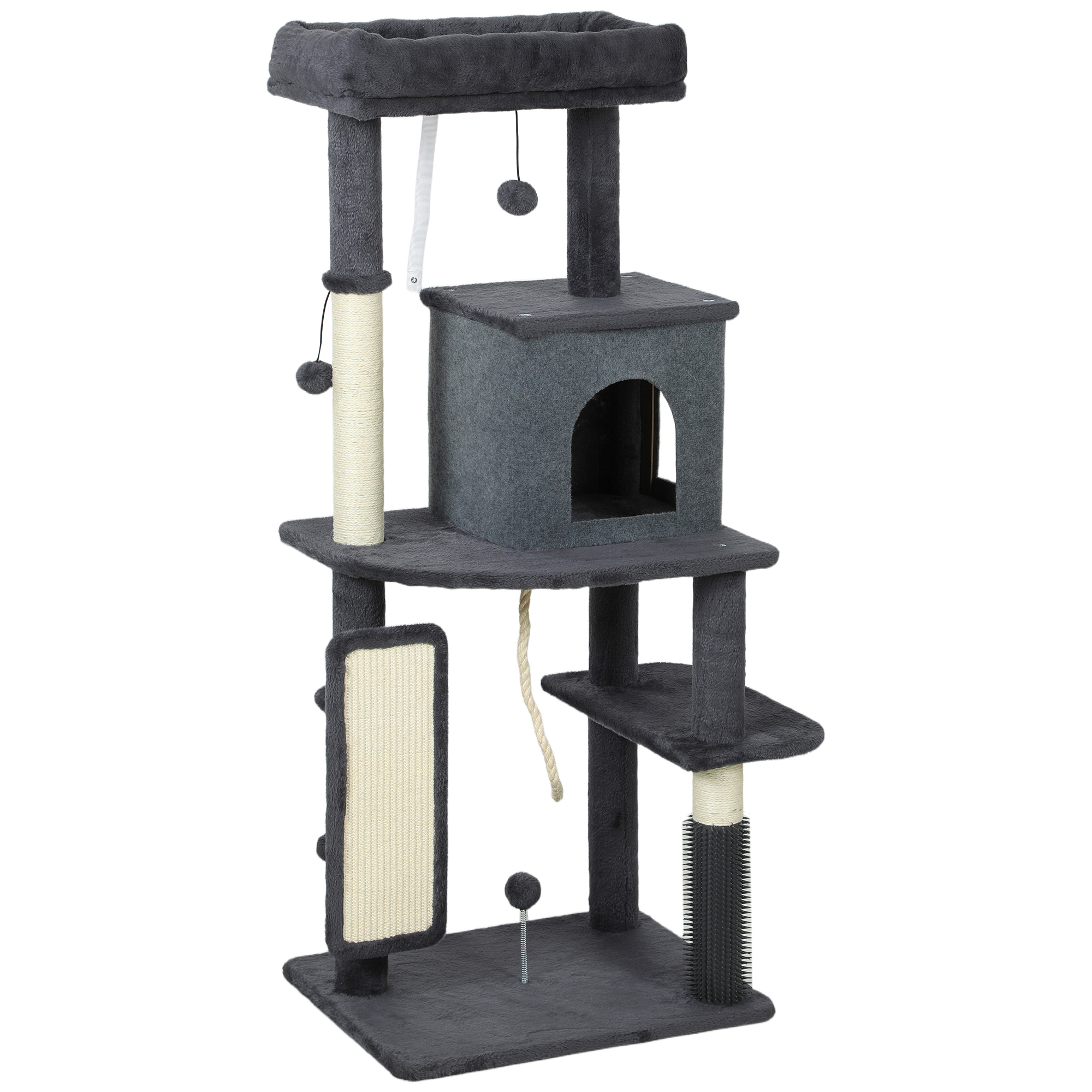
For example, the PawHut Multi-Level Cat Tree with Natural Sisal Scratching Posts combines vertical scratching columns, scratching pads, platforms and a hiding area in one structure.
When choosing a scratching post, consider whether your cat prefers vertical or horizontal surfaces. The post should be tall enough for a full-body stretch and stable enough to remain upright when your cat leans against it. Some cats also prefer particular textures, so offering more than one scratching surface can be beneficial.
Build an Interesting Climbing Route
A good cat tree should offer more than a collection of platforms. The arrangement of each level determines how easily cats can move between resting, climbing and play areas.
The PawHut range includes multi-level cat trees with platforms, ramps, steps, tunnels and connecting structures. These elements create different routes through the activity centre and give cats several places to pause along the way.
- Stepped platforms – Provide intermediate resting and climbing positions.
- Connecting ramps – Help cats move between different levels.
- Elevated perches – Create observation points above the surrounding furniture.
- Tunnels – Introduce enclosed routes for exploring and hiding.
- Hanging toys – Add movement and encourage short play sessions.
The PawHut Cat Scratching Tree 154 cm combines multiple platforms with a cave, hammock, basket-shaped bed, top basket and two interactive toys. Its arrangement offers several different activity and resting areas within one vertical structure.
For kittens, older cats or pets with limited mobility, consider the height between platforms and the accessibility of the ramps. A lower climbing structure with manageable steps may be more suitable than a very tall tower with large gaps between levels.
Give Your Cat a Place to Hide
Not every part of a cat's day is about climbing and playing. Cats also need quiet spaces where they can retreat, rest and feel undisturbed. An enclosed cat condo or hideaway provides a more private alternative to an open platform.
Selected PawHut cat trees combine open lounging areas with enclosed sleeping spaces, allowing cats to choose between different resting environments.
- Enclosed cat condos – Create sheltered spaces for resting and hiding.
- Barrel-style cat houses – Combine enclosed compartments with external scratching surfaces.
- Soft sleeping platforms – Provide padded areas for everyday naps.
- Elevated beds – Offer a higher resting position with a view of the surrounding room.
- Hammocks – Introduce suspended lounging areas within selected structures.
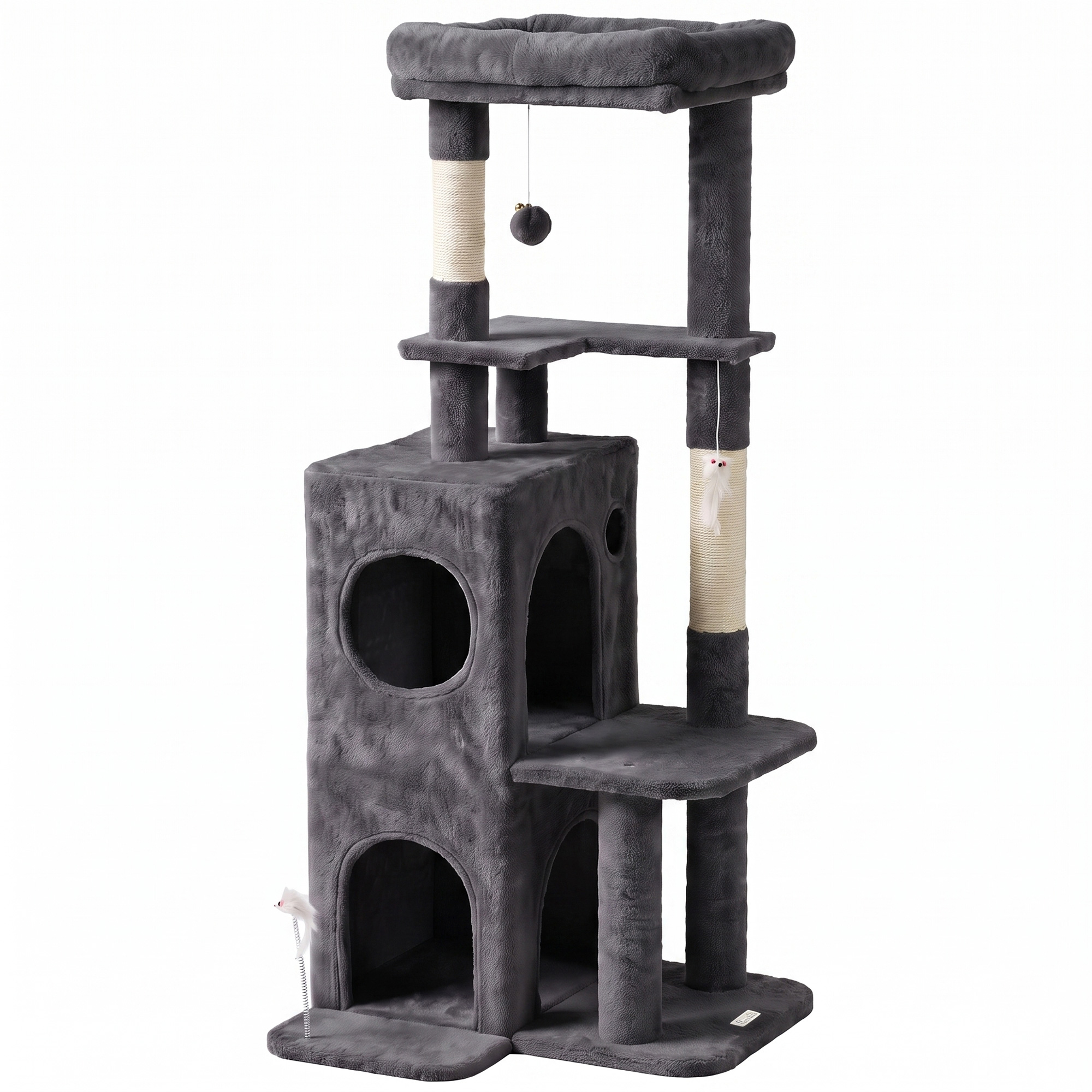
The PawHut Barrel Cat Scratcher, for example, features two enclosed hideouts and a two-level structure. It combines a scratching area with private resting spaces in a relatively compact design.
When arranging a cat tree, avoid placing every resting area directly beside busy walkways or noisy household equipment. A quieter position can make enclosed spaces and elevated beds more appealing.
Hammocks, Beds and Elevated Perches
Different cats have different preferences when it comes to resting. Some prefer enclosed spaces, while others enjoy stretching out on an open platform or settling into a soft hammock.
The PawHut collection includes several resting configurations:
- Hammocks – Suspended fabric resting areas that provide a different lounging position.
- Padded platforms – Offer comfortable surfaces for sitting and sleeping.
- Basket-shaped beds – Feature raised edges around the resting area.
- Top observation baskets – Combine a resting place with an elevated view.
- Soft cat condos – Provide more enclosed sleeping spaces.
Some designs combine several of these features in one tower, allowing cats to move between an open perch, a hammock and a private hideaway.
Check the dimensions of each resting area rather than relying only on the overall height of the cat tree. The available sleeping surface, entrance size and manufacturer's recommended weight capacity are important when choosing a suitable model.
Floor-to-Ceiling Cat Trees for Ambitious Climbers
For cats that enjoy climbing and spending time at elevated positions, a floor-to-ceiling cat tree offers an alternative to conventional free-standing towers.
These structures use an adjustable tension rod to fit between the floor and ceiling. Selected PawHut models feature multiple sisal scratching columns, platforms, hammocks, enclosed condos and connecting ramps.
The main advantages of this design include:
- Vertical use of space – Creates an extended climbing structure without requiring a large floor footprint.
- Adjustable height – Fits a specified range of ceiling heights.
- Multiple activity levels – Combines climbing, scratching and resting areas.
- Integrated scratching surfaces – Provides several positions for stretching and scratching.
A floor-to-ceiling cat tree is not suitable for every room. Measure the floor-to-ceiling distance carefully and check whether the ceiling and floor surfaces are appropriate for the tension mechanism. Follow the assembly instructions and inspect the structure regularly to ensure it remains securely positioned.
Wall-Mounted Cat Trees: Create a Climbing Wall
A wall-mounted cat climbing set offers a different approach to indoor cat furniture. Instead of using one large vertical tower, it creates a series of separate climbing and resting points attached to the wall.
Selected PawHut wall-mounted sets combine elements such as:
- Cloud-shaped platforms – Create elevated resting and jumping points.
- Wall-mounted hammocks – Add suspended lounging areas.
- Scratching ramps – Combine a climbing route with a textured scratching surface.
- Jump platforms – Connect different sections of the climbing arrangement.
This configuration can be useful when you want to create a customised climbing route or keep more floor space available. However, wall-mounted cat furniture requires suitable wall construction and secure installation.
Before installation, check the wall material, fixing requirements and maximum load of each component. Do not attach climbing platforms to unsuitable surfaces or rely on ordinary adhesive fittings for structures intended to support jumping cats.
One Cat or Several? Choose the Right Layout
The number of cats using a cat tree can influence which configuration is most practical. A single resting platform may be sufficient for one cat, while households with several cats may benefit from multiple beds, hideouts and accessible climbing routes.
Consider these features when selecting a cat tree for a multi-cat household:
- Multiple resting areas – Give cats more than one place to settle down.
- Separate hideouts – Provide private spaces for cats that prefer resting independently.
- Several platforms – Create additional observation and lounging positions.
- Accessible routes – Reduce competition for a single entrance or narrow climbing point.
- A stable structure – Ensure the tower can support the intended use within its specified weight limits.
Some PawHut models feature two enclosed compartments and several sleeping platforms, while larger multi-level designs combine multiple hammocks, caves and observation areas.
For multi-cat homes, a cat tree should complement other resting and scratching facilities around the house. Avoid assuming that one shared tower will meet every cat's individual needs.
Compact Cat Trees for Smaller Homes
Not every home has enough space for a large climbing tower. A compact cat tree can still provide a useful combination of scratching, resting and play features without taking up an entire corner of the room.
The PawHut collection includes smaller designs around 65–100 cm high, with selected models combining a base, scratching columns, one or more platforms and a resting area.
For smaller living spaces, consider:
- Vertical scratching posts – Provide a dedicated scratching area without requiring multiple large platforms.
- Compact multi-level towers – Combine climbing and resting functions in a smaller footprint.
- Barrel cat scratchers – Bring scratching and enclosed hideouts together.
- Wall-mounted sets – Make use of suitable wall space rather than additional floor area.
- Adjustable climbing structures – Use available vertical space where ceiling conditions allow.
For example, the PawHut Cat Tree with Hammock measuring Ø40 x 65 cm combines a compact structure with scratching columns, a raised basket-style platform and a soft resting area. It provides a smaller alternative to larger multi-level towers.
When comparing compact models, check the base dimensions and available scratching height. A smaller cat tree should still be stable enough for the intended cat to use comfortably.
Materials That Combine Scratching and Comfort
The materials used in a cat tree affect its texture, appearance, cleaning requirements and suitability for everyday use. The PawHut collection combines several materials to create different scratching and resting surfaces.
- Natural sisal – A textured natural fibre commonly used around scratching posts.
- Jute rope – Provides another fibrous surface for scratching columns and accessories.
- Plush fabric – Creates soft coverings for beds, platforms and enclosed resting areas.
- Particle board and MDF – Used in structural panels, platforms and the main support frame.
- Woven materials – Featured in selected decorative designs, including rattan-style cat furniture.
The PawHut Multi-Level Cat Tree with Natural Sisal Scratching Posts uses E1-class particle boards, natural sisal and plush fabric. Its plush covering is specified at 380 g/m², combining soft resting surfaces with dedicated scratching areas.
For another design direction, selected PawHut cat trees feature woven rattan-style elements alongside sisal scratching structures and enclosed resting areas.
When comparing materials, focus on the surfaces your cat will use most frequently. Scratching columns should provide an appropriate texture, while sleeping areas should be comfortable and easy to maintain.
Keep Your Cat Tree Stable and Secure
Stability is essential for any cat tree, particularly taller structures that cats use for climbing and jumping. A tower that wobbles or tips easily may discourage cats from using it and can create a safety risk.
The PawHut range includes models with wide base plates, reinforced support structures and anti-toppling accessories.
Before choosing and assembling a cat tree, check:
- Base dimensions – Compare the base width and depth with the overall height of the structure.
- Frame construction – Check the specified materials and structural support.
- Maximum load – Follow the manufacturer's recommended cat weight.
- Anti-tip fittings – Install supplied wall-anchoring accessories where required.
- Platform connections – Make sure every platform and scratching column is securely attached.
- Assembly instructions – Tighten connections according to the supplied manual.
For example, the PawHut 154 cm Cat Scratching Tree includes an anti-toppling device that should be secured to the wall. The 150 cm PawHut Cat Tree Tower also features wall-fixing protection.
Tall and floor-to-ceiling models require particular attention during installation. Never exceed the specified adjustment range or weight limits, and inspect the structure periodically for loose fittings.
How to Choose the Right Cat Tree Height
The ideal cat tree height depends on your cat's size, age, mobility and climbing habits, as well as the space available in your home.
Use the following product categories as a starting point:
- Compact cat trees: 60–100 cm – Suitable for smaller activity setups with basic scratching and resting areas.
- Medium cat trees: 100–140 cm – Provide additional platforms, climbing opportunities and elevated resting positions.
- Tall cat trees: 140–180 cm – Offer more vertical activity levels and higher observation platforms.
- Floor-to-ceiling cat trees: approximately 220–285 cm – Use adjustable tension-rod structures to make use of available vertical space.
These height ranges describe the types of products available, not a requirement for every cat. A younger, active climber may enjoy a taller tower, while an older cat may benefit more from lower platforms and accessible resting areas.
Always compare the complete product dimensions, base footprint, platform spacing and recommended weight capacity before purchasing.
Cleaning and Maintaining Your Cat Tree
Regular maintenance helps keep a cat tree comfortable and suitable for everyday use. Because cats spend considerable time resting and scratching on these structures, removing accumulated fur and checking the condition of the materials should become part of your household routine.
- Plush platforms – Remove loose fur and dust with a suitable vacuum attachment or fabric brush.
- Washable cushions – Follow the product's care instructions and washing recommendations.
- Sisal posts – Check for excessive wear, loose fibres and damaged sections.
- Scratching mats – Inspect the surface for damage and replace worn components where necessary.
- Wooden panels – Wipe with a lightly damp cloth and dry thoroughly.
- Hammocks and beds – Check seams, attachments and fabric condition regularly.
- Fixings and joints – Tighten loose connections according to the manufacturer's instructions.
Avoid soaking wooden structural components or applying strong household chemicals to surfaces your cat regularly touches. Use pet-appropriate cleaning products and allow cleaned areas to dry completely before your cat uses them again.
Make Your Home More Cat-Friendly
A well-chosen cat tree can become more than a piece of pet furniture. It creates a dedicated place for natural scratching, climbing, observation and rest, helping your cat make better use of the indoor environment.
Whether you prefer a compact scratching tower, a multi-level cat condo, a tall climbing tree or an adjustable floor-to-ceiling structure, the PawHut collection at Aosom EU offers different ways to bring these activities together.
Explore our range of cat trees at Aosom EU, featuring sisal scratching posts, plush resting platforms, enclosed hideaways, hammocks, interactive toys and space-saving climbing designs. Compare the height, base dimensions, scratching surfaces and recommended weight capacity to find a cat tree that suits your home and your cat's everyday habits.