

Furniture at Their Scale: Create a Home Children Can Use More Independently
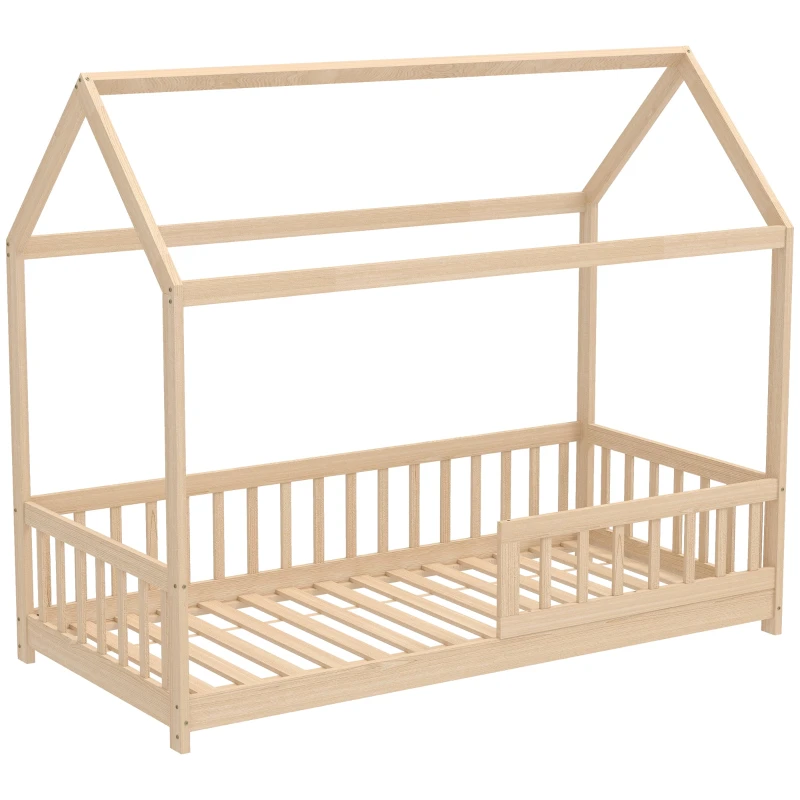
Most homes are designed around adult proportions. Tables are higher, chairs are deeper, shelves are harder to reach, and everyday belongings often depend on an adult to be put away. Kids furniture changes that relationship by bringing everyday activities closer to a child's own scale.
A correctly sized table creates a place for drawing and puzzles, a small sofa gives children seating of their own, and low storage makes books and toys easier to reach and return. From children's tables and chairs to sofas, bookshelves and toy storage, the right furniture can make bedrooms, playrooms and shared family spaces easier for children to use every day.
Think in Child Height, Not Adult Furniture Made Smaller
Good children's furniture is not simply a miniature version of adult furniture. Proportions matter because children sit, reach and move differently.
For tables and chairs, check both seat height and tabletop height rather than relying on age labels alone. When seated, children should be able to use the table comfortably without having to raise their shoulders or stretch excessively. A chair that is too deep can also make it difficult for smaller children to sit naturally against the backrest.
Because children of the same age can differ considerably in height, product dimensions provide a more useful comparison than age recommendations on their own.
Give Drawing, Reading and Making a Proper Place
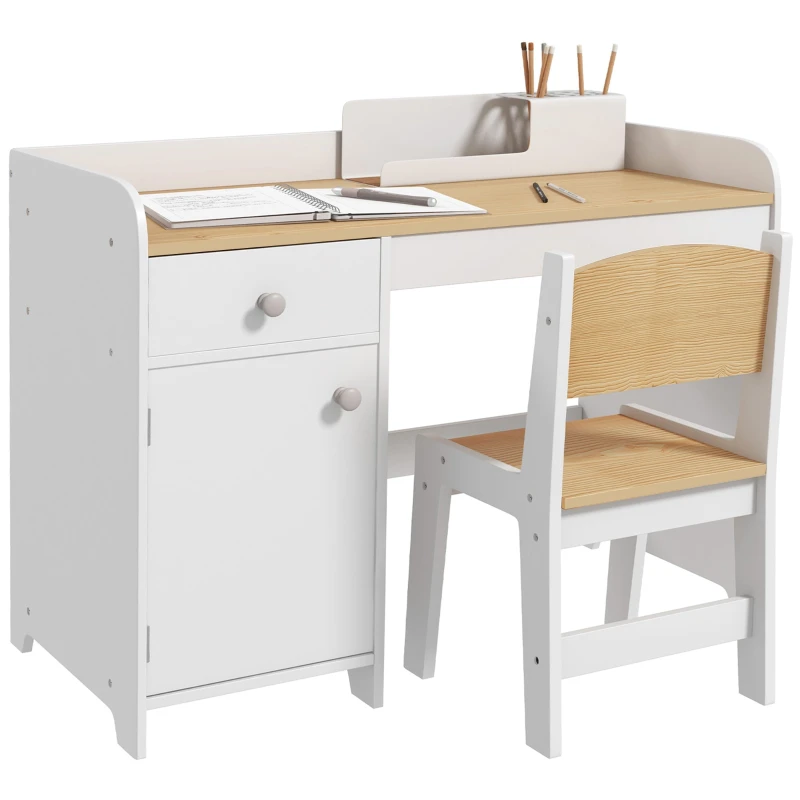
Children move quickly between activities. Breakfast may be followed by colouring, building blocks, homework, crafts or a board game, so a dedicated child-sized table can become one of the most frequently used pieces of furniture in the room.
Explore kids' tables and chairs for everyday activities and compare table dimensions, seat height, number of chairs and built-in features to find a setup suited to the available space.
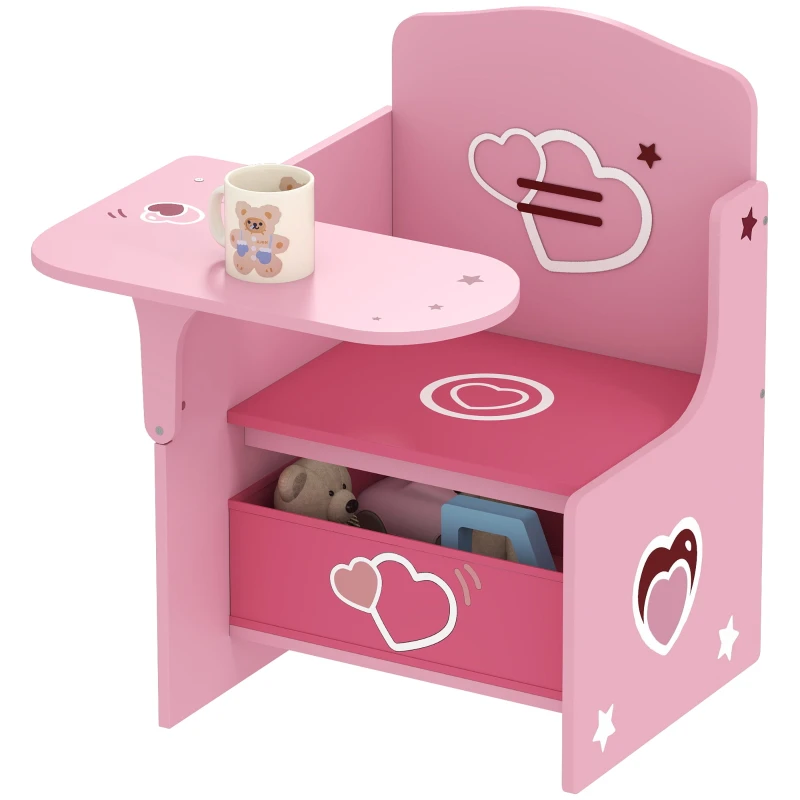
Sets with integrated storage can keep pencils, paper, building pieces and craft supplies close to the activity area. Adjustable designs can offer additional flexibility as children grow, while lightweight chairs are easier to reposition between reading, drawing and play.
Create a Seat That Actually Belongs to Them
Adult sofas can be surprisingly awkward for smaller children: seats may be deep, feet remain far above the floor, and climbing on and off becomes part of simply sitting down.
A kids' sofa or armchair creates a lower, more accessible place for reading, relaxing or watching a favourite programme. Depending on the design, children's seating may include padded backrests, armrests, footstools or convertible functions that create additional lounging space.
Place children's seating where it can become part of normal family life rather than automatically hiding it away in a bedroom. A compact chair beside the family sofa or a reading seat near a bookshelf can give children their own comfortable place while keeping them involved in shared spaces.
Put Favourite Books Where Children Can See Them
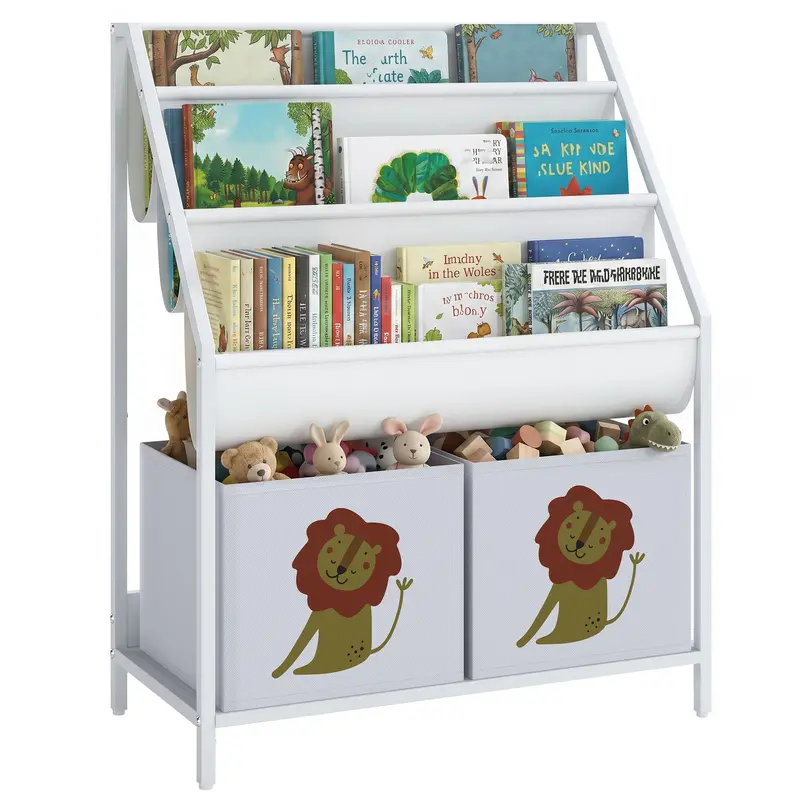
A bookshelf only helps children use books independently when the books are within reach. Low children's bookcases and display-style book racks make it easier to browse without relying on an adult to retrieve items from a high shelf.
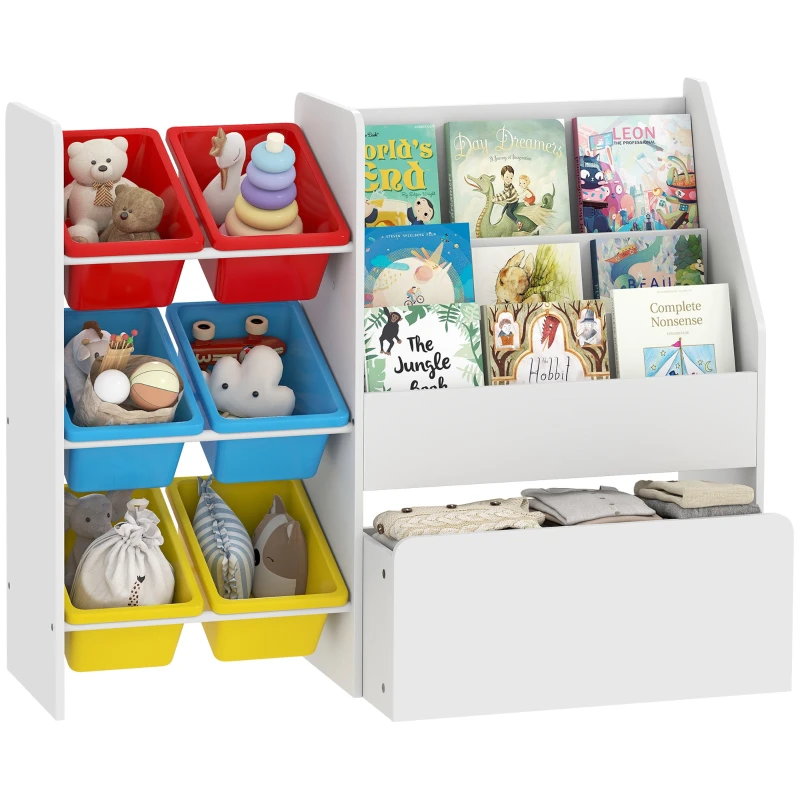
Front-facing book storage can be particularly useful for younger children because covers are easier to recognise than narrow book spines. Traditional shelves provide more capacity as collections grow, while combination units can bring books and toy storage together.
Avoid overloading upper shelves and secure furniture to the wall whenever anti-tip fittings are supplied or the product instructions require them.
Make Tidying Up Easier to Understand
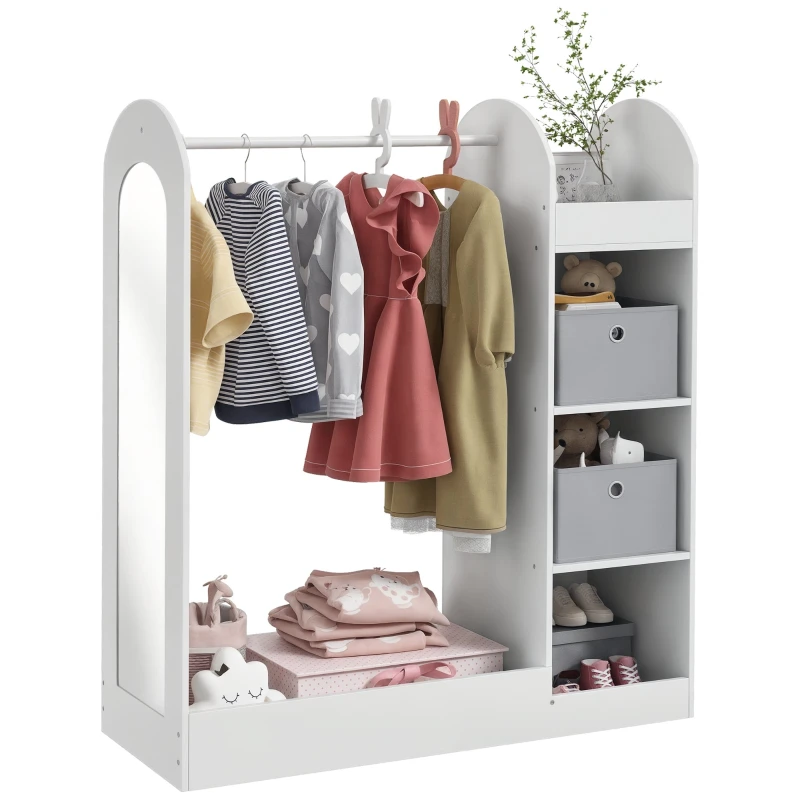
For children, “put your toys away” is much easier when there is an obvious place for everything to go. Low storage units, open compartments, removable bins and toy chests turn a general instruction into a simple physical task.
Browse kids' storage for toys, books and everyday essentials to create storage children can access more easily themselves.
Open bins work well for frequently used toys because contents are easy to see and return. Shelves suit books and display items, while larger compartments or toy boxes can hold bulkier toys that would otherwise spread across the floor.
Simple categories can make storage easier to maintain: books in one section, building toys in another and art materials together. The goal is not to create a perfectly organised display, but a system simple enough to reset after everyday play.
Use Furniture to Create Small Zones Inside a Larger Room
A children's room does not need permanent partitions to support different activities. Furniture placement can create subtle boundaries between reading, creative work, play and rest.
· Activity zone – A table and chairs provide a clear surface for drawing, crafts and games
· Reading zone – Pair a low bookcase with a child-sized chair or sofa
· Play zone – Keep the centre of the floor relatively open and place storage around the edges
· Quiet zone – Use comfortable seating away from the busiest part of the room
This approach can also work in shared family rooms. A small table beside the dining area or low toy storage in the living room can give children a defined place for their belongings without turning the whole room into a playroom.
Leave More Floor Space Than You Think You Need
In children's spaces, empty floor area is useful space. It gives children somewhere to build, spread out toys and move between activities, so filling every wall and corner with furniture can make a room less practical rather than more useful.
Prioritise the pieces that support regular routines, then preserve clear circulation between them. Compact furniture, vertical storage and pieces that combine seating with storage can be particularly useful in smaller bedrooms and playrooms.
Before ordering, check the complete product dimensions and mark out the footprint in the intended location. Remember to allow additional room for chairs to pull out, drawers and doors to open, and children to move around the furniture comfortably.
Choose Furniture That Can Handle Everyday Childhood
Children's furniture is rarely used gently all the time. Tables become craft stations, shelves are accessed repeatedly and upholstered seating may see snacks, colouring materials and daily lounging. Materials and finishes should therefore be considered according to how the furniture will actually be used.
Smooth, wipeable surfaces simplify cleaning around activity tables and storage furniture. Removable or easy-care upholstery is useful for frequently used seating where available. For painted or laminated surfaces, follow the individual care instructions rather than using abrasive cleaners that may damage the finish.
Check joints, screws, handles and other fixings periodically, particularly on furniture that is moved frequently.
Stability Matters More When Furniture Is Within Reach
Children naturally lean on, pull against and interact with furniture differently from adults. Stable construction is therefore particularly important for bookcases, storage units and other taller pieces.
Use the supplied wall attachments or anti-tip fittings where required and follow the assembly instructions carefully. Furniture should stand on a level surface, and heavy objects should generally be kept lower rather than concentrated on upper shelves.
Do not allow children to climb on drawers, shelves or storage units. If a piece becomes loose, unstable or damaged, stop using it until the issue has been corrected.
Plan for Change without Buying Everything Too Large
It can be tempting to choose oversized furniture so a child can “grow into it”, but furniture that is significantly too large may be less comfortable and harder to use independently right now.
Instead, look for features that extend usefulness without compromising the current fit. Adjustable desk or chair heights, flexible storage layouts and neutral designs can help furniture adapt as routines change.
Some pieces can also change purpose naturally. A low shelf that initially stores picture books and toys may later hold school supplies, while a children's table can move from crafts and building games to early homework.
Make Shared Rooms Work for Children and Adults
Kids furniture does not have to be confined to a brightly decorated children's bedroom. Neutral finishes, simple shapes and compact proportions can integrate into living rooms, dining areas and home offices while still giving children furniture they can comfortably use.
The most practical shared spaces usually give children's belongings a defined boundary. One low storage unit, a compact activity table or a dedicated reading chair can provide that boundary without allowing toys and children's furniture to spread throughout the room.
Build a Space Children Can Use, Not Just Look At
A successful children's space is not measured by how perfectly coordinated it looks. It works when children can sit down comfortably, reach a favourite book, find their toys, start an activity and understand where things belong afterwards.
That is where well-chosen children's furniture earns its place: it brings everyday parts of the home closer to the people using them.
Explore the complete range of kids furniture for bedrooms, playrooms and family spaces and create a practical environment designed around children's everyday routines.