
Kids Electric Vehicles
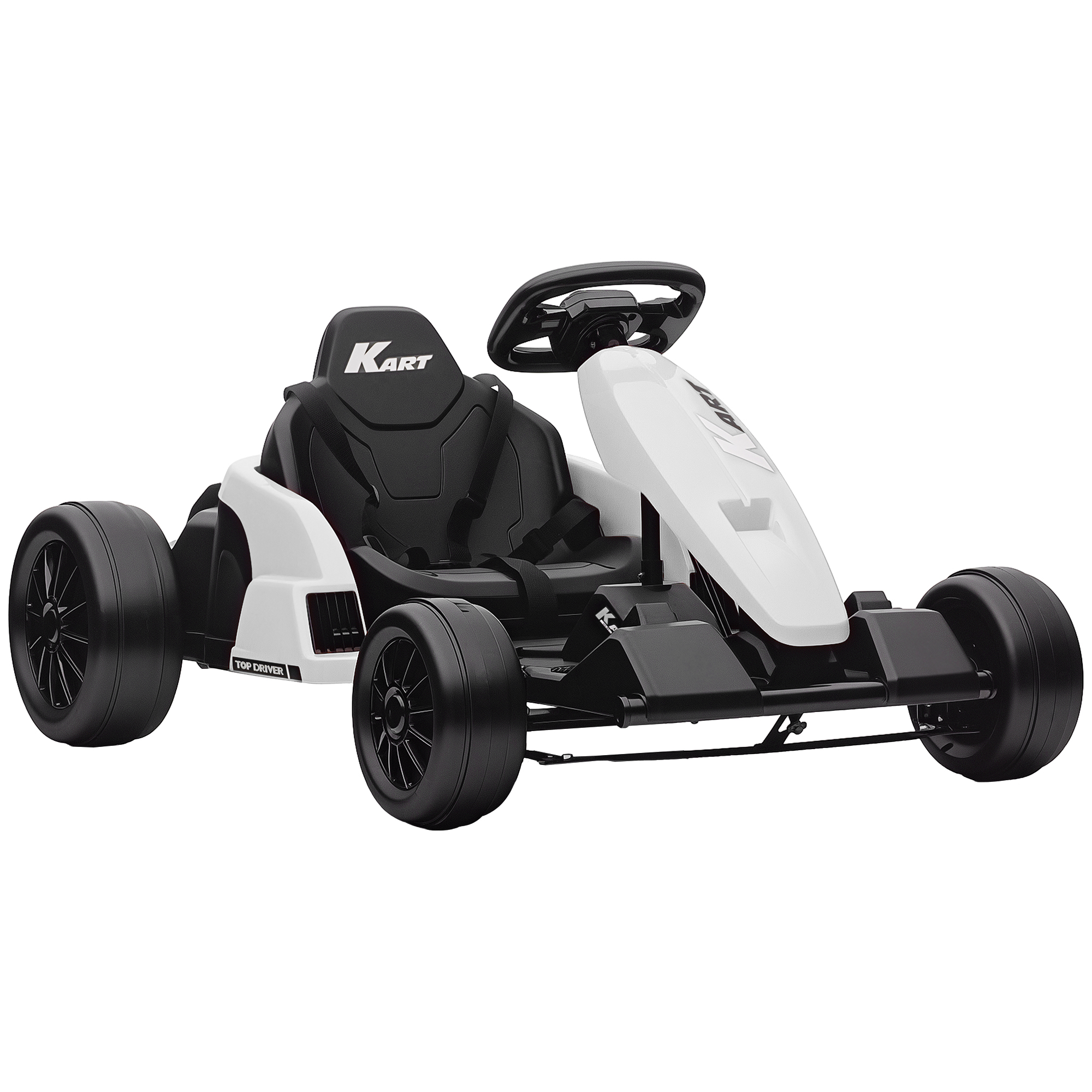
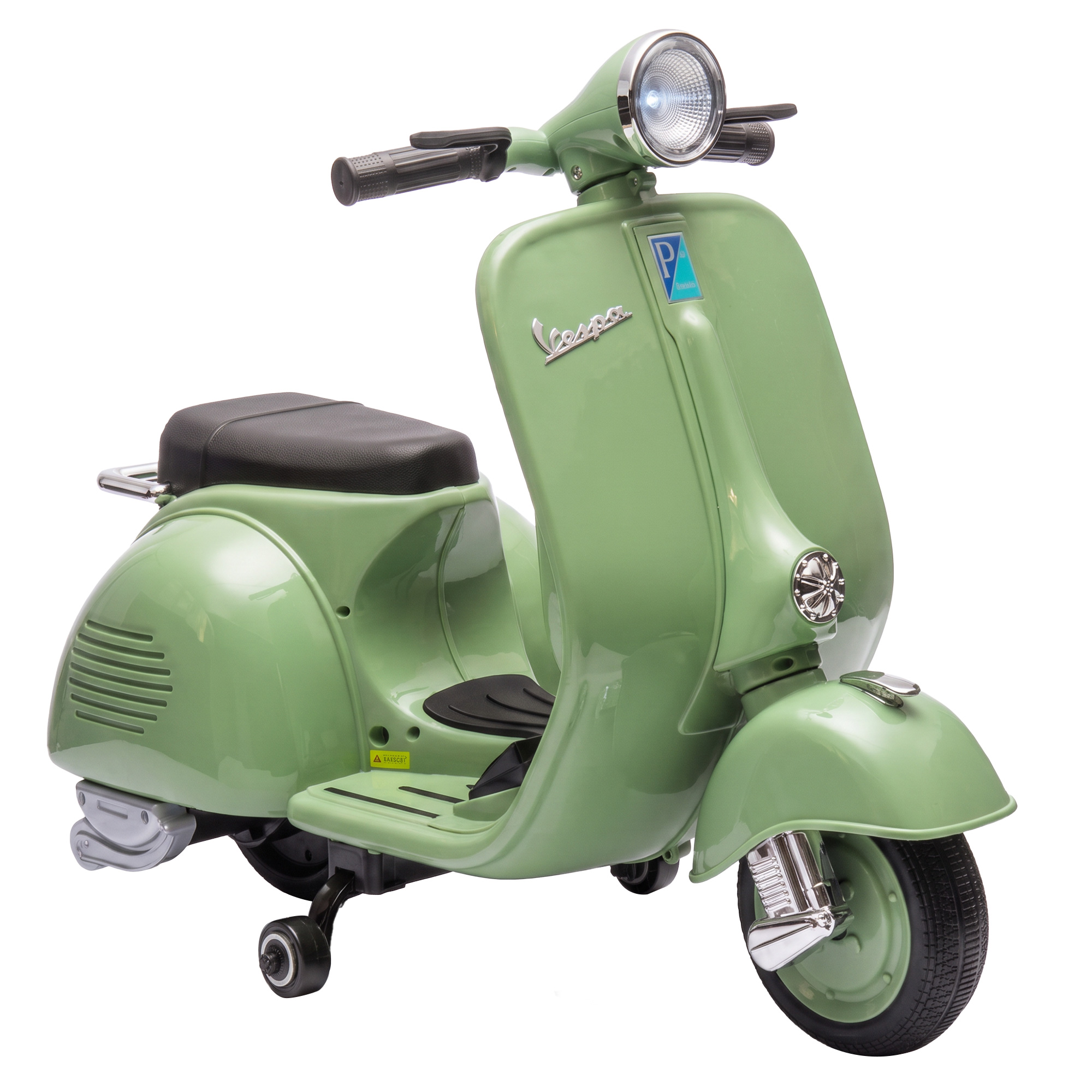
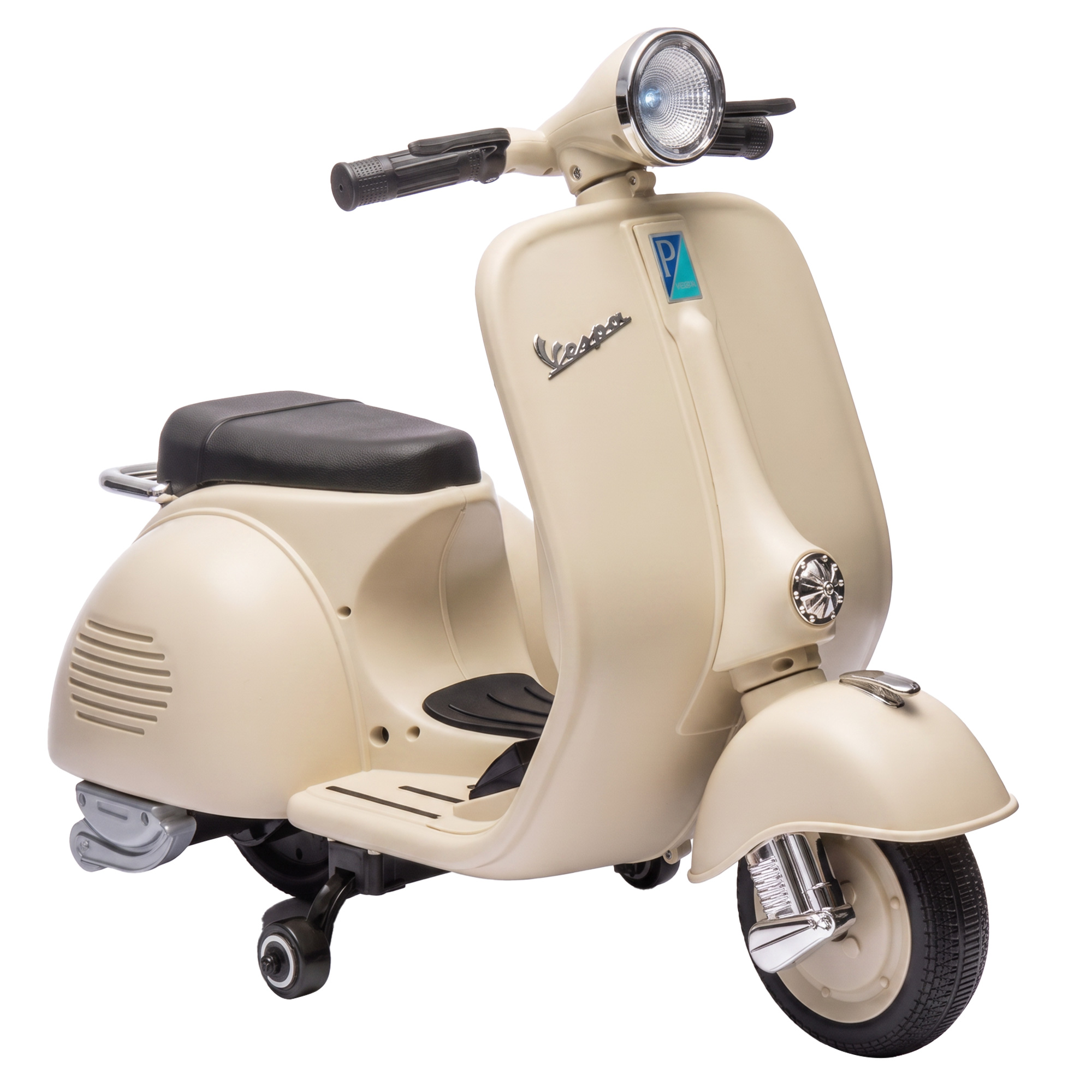
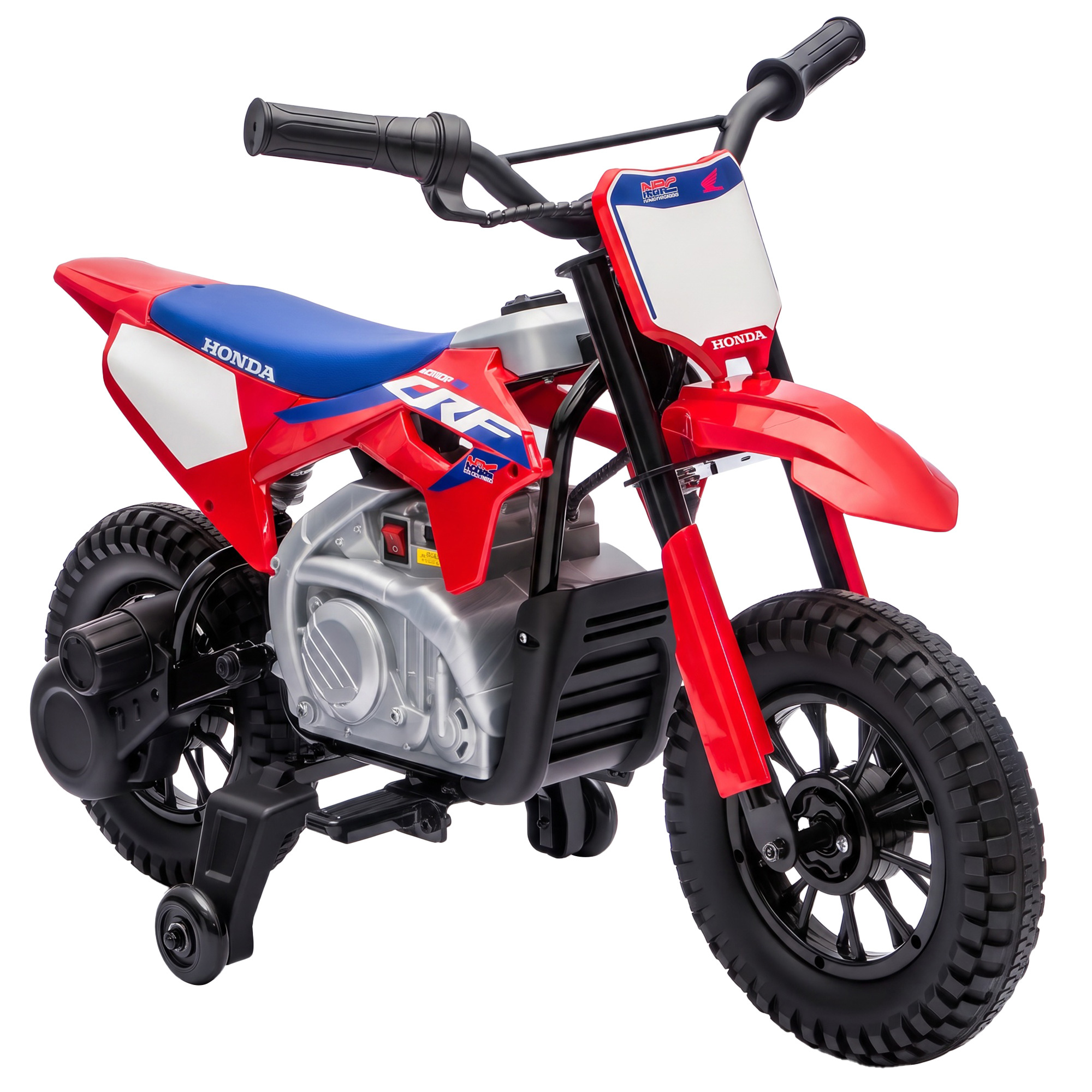
Their First Drive, Their Own Little Adventure
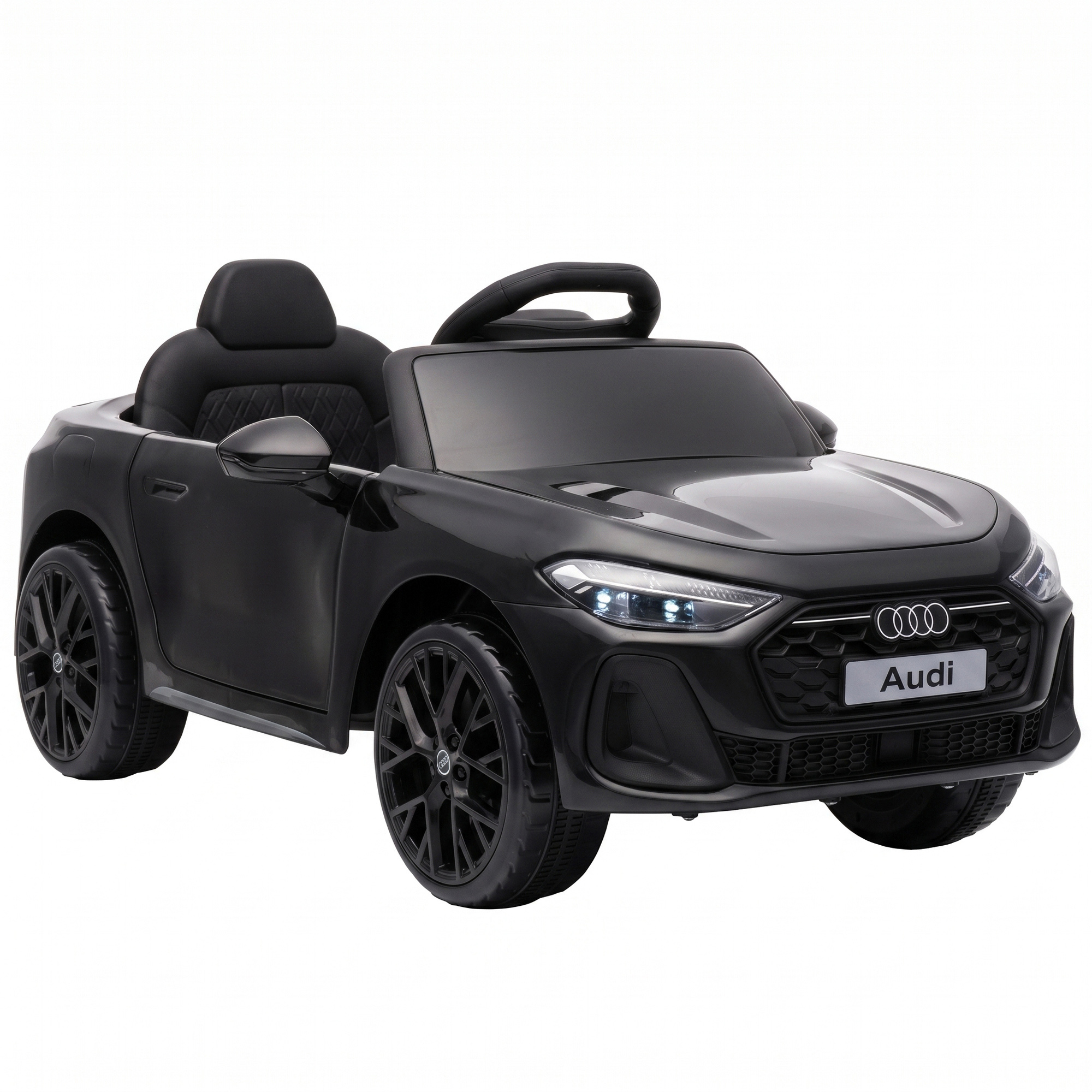
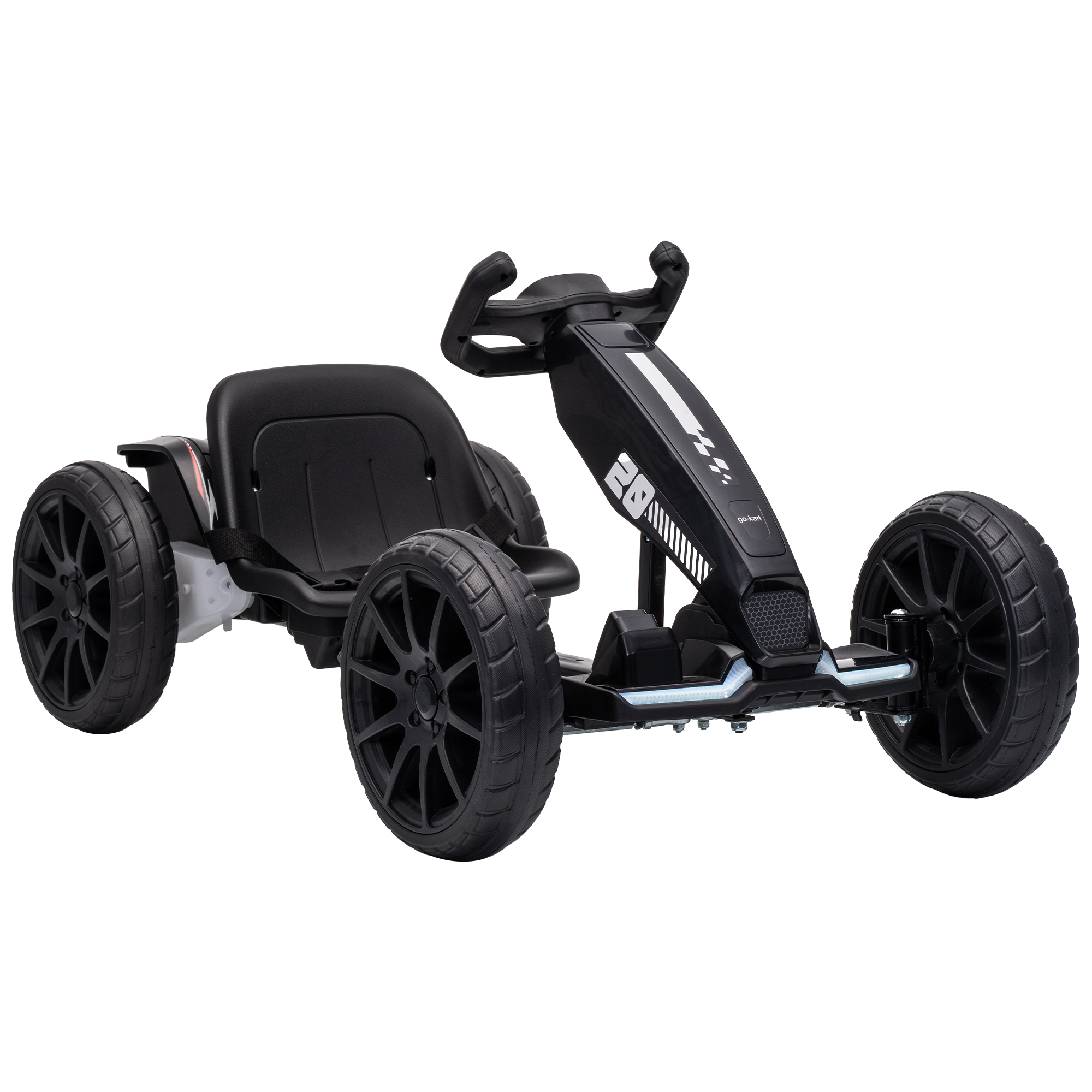
The excitement of getting behind the wheel starts long before a child receives their first real driving licence. With a kids electric vehicle, little drivers can experience the fun of steering, accelerating and exploring their surroundings in a vehicle designed around their size. From miniature luxury cars and sporty motorcycles to adventurous quad bikes and construction vehicles, every ride brings a new opportunity for imaginative play.
The Aosom EU collection features battery-powered ride-on vehicles from HOMCOM and AIYAPLAY, including officially licensed children's electric cars, motorcycles, quad bikes and ride-on construction vehicles. With different battery capacities, motor configurations, driving speeds and control options, there are models for different ages and riding preferences.
Find Their Favourite Type of Vehicle
Every young driver has their own idea of an exciting ride. Some dream of driving a miniature sports car, others prefer the look of a motorcycle or the adventurous character of an off-road vehicle. Choosing a vehicle that matches your child's interests can make their first driving experience even more memorable.
- Electric ride-on cars – Miniature cars inspired by real automotive designs, with steering wheels, headlights, music and remote-control options on selected models.
- Electric motorcycles – Two- or three-wheel-inspired designs with handlebars, working lights, horns and stabilising wheels on selected models.
- Electric quad bikes – Four-wheel designs that offer a different riding style and additional visual appeal for little adventurers.
- Ride-on construction vehicles – Excavator and digger-inspired toys that bring imaginative building-site play into everyday activities.
Licensed Electric Cars: Mini Versions of Iconic Vehicles
For children who love cars, officially licensed ride-on vehicles bring familiar automotive styling into their playtime. The collection includes miniature designs inspired by Audi, BMW, Mercedes-Benz, Bentley, Maserati and Toyota.
From sporty coupés to recognisable SUVs, these children's electric cars recreate distinctive exterior details such as front grilles, headlights, body shapes and vehicle badges. Selected models also feature opening doors, dashboard details and realistic driving sounds.
Depending on the model, additional features include LED headlights, taillights, horns, music playback, USB connections and battery-level displays. These details help create a more immersive driving experience while giving children plenty to explore.
Electric Motorcycles: A Different Kind of Driving Adventure
An electric motorcycle offers a different experience from a four-wheel ride-on car. With handlebars instead of a steering wheel, children use a more motorcycle-inspired control layout while enjoying the appearance of their favourite two-wheel designs.
The collection includes HOMCOM and AIYAPLAY electric motorcycles inspired by Honda, BMW and Vespa, with different sizes, battery configurations and styling details.
Selected models feature wide tyres, training wheels, headlights, horns and music functions. Some motorcycles also include removable stabiliser wheels, allowing the vehicle configuration to be adapted according to the product instructions and the child's riding ability.
Before choosing a motorcycle, check the recommended age, seat dimensions, handlebar reach and maximum supported weight. Children should be able to reach the controls comfortably and keep their feet in the intended riding position.
Quad Bikes and Construction Vehicles: Explore Beyond the Ordinary
Not every child wants a conventional car. Electric quad bikes and construction-themed ride-on vehicles offer alternative designs for children who enjoy adventurous and imaginative play.
Selected electric quad bikes feature four-wheel configurations, forward and reverse functions and compact seating designed for younger riders. Ride-on excavators add another dimension through their construction-inspired appearance, with some models featuring movable scoops, steering wheels, horns and under-seat storage.
Always check whether a particular construction vehicle is battery-powered or manually operated. Similar ride-on designs can use different drive systems, so the individual product specifications should guide your purchase.
6V, 12V or 24V: Understand the Battery Difference
Battery voltage is one of the main specifications to compare when choosing a children's electric vehicle. The current collection includes 6V, 12V and selected 24V models, offering different combinations of vehicle size, motor configuration and performance.
- 6V electric vehicles – Commonly found in smaller ride-on cars and motorcycles designed for younger children.
- 12V electric vehicles – Available across a wider range of children's cars and motorcycles, including models with additional driving and entertainment features.
- 24V electric vehicles – Found in selected larger vehicles with more powerful motor configurations and higher specified speeds.
Voltage alone does not determine how fast or powerful a vehicle will be. Motor quantity, motor rating, vehicle weight, battery capacity, terrain and rider weight all influence performance.
For example, a 12V model may feature two motors, while a selected 24V vehicle may use four motors. Always compare the complete product specifications, including maximum speed, recommended age and load capacity.
Speed and Driving Modes: Find the Right Level of Control
Different children develop driving confidence at different rates. Selected electric ride-on vehicles feature adjustable speed settings, allowing parents to choose a suitable driving mode according to the product's instructions.
Current models include maximum speeds of approximately 2–7 km/h, depending on their battery system and motor configuration. Some smaller motorcycles operate at around 2–3 km/h, while selected 12V cars offer speeds of approximately 3–5 km/h.
When comparing vehicles, pay attention to:
- Maximum speed – Check the manufacturer's stated speed rather than assuming all vehicles with the same voltage perform identically.
- Speed selection – Selected models offer different speed levels for manual and remote-control operation.
- Forward and reverse – Allows the vehicle to move in both directions when supported.
- Soft Start – Gradually increases movement when starting, helping avoid sudden acceleration.
- Motor configuration – Compare the number and rated power of the motors.
For a child's first electric vehicle, prioritise manageable speed, accessible controls and suitable supervision over maximum performance.
Parental Remote Control: Stay in Control of the Ride
One of the most useful features on selected children's electric cars is the parental remote control. It allows an adult to operate the vehicle remotely while the child enjoys the experience of sitting behind the steering wheel.
Many models include a 2.4G remote control with functions for steering and controlling vehicle movement. Depending on the design, parents can guide the vehicle, manage its speed or stop it when necessary.
Some electric cars also offer two operating modes: remote-controlled driving and manual driving by the child. This provides flexibility as children become more familiar with the steering wheel and accelerator.
Check the remote-control range and available functions before purchasing. Current models specify different operating distances, including approximately 15m, 20m, 25m and 30m. These are manufacturer specifications and actual performance can vary depending on the environment.
Soft Start, Safety Belts and Suspension
A comfortable and controlled driving experience depends on more than the vehicle's appearance. Selected electric cars include additional features designed to support smoother starts, secure seating and improved movement across suitable surfaces.
- Soft Start – Helps the vehicle accelerate gradually rather than starting abruptly.
- Safety Belt – Provides a restraint system on selected models. Always use it according to the manufacturer's instructions.
- Suspension – Selected models feature sprung or shock-absorbing wheels to help manage movement over suitable surfaces.
- Training Wheels – Provide additional support on selected motorcycle designs.
- Battery Indicator – Displays the remaining battery charge on equipped models.
These features vary between products. Review the individual specifications carefully rather than assuming every electric vehicle includes all of them.
Lights, Music and Interactive Details
Small details can make a ride-on vehicle feel much more like a real car or motorcycle. Working headlights, dashboard buttons and sound effects add another layer of interaction to children's driving adventures.
Selected models include:
- LED headlights and taillights – Add realistic visual details to the vehicle.
- Horn and engine sounds – Recreate familiar driving sounds through integrated controls.
- Music playback – Provides entertainment during the ride.
- USB and MP3 connections – Allow compatible music sources to be connected on selected models.
- Battery display – Helps parents monitor the remaining charge.
If entertainment functions are important, check the available connections and supported audio formats. Not every model includes USB, MP3 or Bluetooth connectivity.
Choose a Vehicle That Fits Your Child
Age recommendations provide a useful starting point, but a good fit also depends on your child's height, leg length and ability to reach the controls. The current range includes models for younger children from approximately 18 months, as well as larger vehicles designed for children aged 3–8 years.
Before choosing a vehicle, compare:
- Recommended age – Follow the age range stated for the individual model.
- Seat dimensions – Check seat width, depth and height to ensure a suitable fit.
- Vehicle dimensions – Consider the overall length and width, particularly for smaller riding areas.
- Maximum load capacity – Never exceed the specified weight limit.
- Control accessibility – Make sure the child can reach the steering wheel, handlebars and pedals where applicable.
A larger vehicle is not necessarily a better choice for a younger child. The controls should be accessible, the seating position should be appropriate and the child should be able to sit securely while operating the vehicle.
How Long Does a Kids Electric Vehicle Run?
Battery runtime is an important consideration, especially when planning outdoor activities. Selected 12V models in the collection specify running times of approximately 45–60 minutes under stated test conditions.
Actual runtime can vary according to battery capacity, rider weight, surface conditions, motor configuration, driving speed and how frequently the vehicle starts and stops.
Charging times also differ between models. Some 12V vehicles specify an initial charging period of approximately 8–10 hours and regular charging of around 8–12 hours.
For the best battery care:
- Use only the charger supplied or specified for the vehicle.
- Follow the recommended charging time in the product manual.
- Do not leave the battery charging unattended if the manufacturer advises against it.
- Keep charging connections dry and away from moisture.
- Disconnect the charger when charging is complete.
- Store the vehicle and battery according to the manufacturer's instructions.
Where Can Children Drive Their Electric Vehicles?
A suitable riding area makes a big difference to the overall experience. Most children's electric vehicles are intended for controlled use on suitable private surfaces rather than public roads.
- Private gardens – Suitable when the surface is level, clear and large enough for the vehicle.
- Private driveways – Can provide a convenient riding area when separated from moving traffic.
- Outdoor play areas – Offer space for supervised driving and simple manoeuvres.
- Suitable paved surfaces – Smooth concrete, asphalt and paving can provide appropriate conditions for compatible models.
Check the recommended surface for the individual vehicle. Avoid steep slopes, roads, steps, swimming pools, loose obstacles and wet or slippery areas. Keep children away from vehicles and other potential hazards.
Safety Tips for Every Little Driver
A children's electric vehicle is a powered ride-on toy and requires responsible use. Before the first ride, parents should understand the vehicle's controls, battery system and safety features.
- Adult supervision – Always supervise children while the vehicle is operating.
- Protective equipment – Use a properly fitted helmet and other suitable protective equipment, particularly for motorcycle and quad models.
- Seat belt – Fasten the safety belt where provided and follow the product instructions.
- Speed settings – Select an appropriate speed and explain the controls before riding.
- Safe surroundings – Keep the vehicle away from roads, traffic, steep slopes and water.
- Vehicle inspection – Check the wheels, steering, battery connections and visible structural components before use.
- Weight limits – Make sure the combined rider weight does not exceed the specified maximum capacity.
Never allow children to use electric ride-on vehicles on public roads or in areas where motor vehicles operate. Follow the manufacturer's age restrictions, warnings and operating instructions at all times.
Assembly and Everyday Maintenance
Most children's electric vehicles require some assembly before their first use. Depending on the model, this may involve fitting the wheels, steering wheel, seat, mirrors and other accessories.
After assembly, check that all connections are secure and that the steering, wheels and controls operate correctly. Test the remote control and braking or stopping functions according to the manual before allowing the child to ride.
- Battery – Follow the recommended charging and storage procedures.
- Wheels – Check for loose fittings, wear and visible damage.
- Steering – Make sure the steering mechanism moves correctly.
- Safety belt – Inspect the buckle and fastening points where fitted.
- Electrical connections – Check cables and connectors for visible damage.
- Exterior surfaces – Remove dust and dirt using a soft cloth and suitable cleaning products.
Store the vehicle in a dry, sheltered area and avoid exposing electrical components to rain or standing water unless the manufacturer explicitly states that the model is designed for such conditions.
Find Their First Favourite Ride
Whether your child dreams of driving a miniature sports car, riding a stylish electric motorcycle or exploring the garden in a four-wheel vehicle, the right ride-on can turn ordinary playtime into an exciting new experience.
Discover the range of HOMCOM and AIYAPLAY kids electric vehicles at Aosom EU, including licensed electric cars, battery-powered motorcycles, quad bikes and ride-on construction vehicles. Compare battery systems, speed settings, control options and vehicle dimensions to find a model that matches your child's age and next big adventure.