

Toys That Give Children More Ways to Play
The toys children return to most are often the ones that do not decide the whole game for them. A play kitchen can become a café one day and a family dinner the next. Foam blocks can form a climbing course, a seat, or a miniature obstacle course. A playhouse can be a shop, a hideaway, or the centre of an entirely invented world.
Our toys for kids collection brings together pretend play toys, rocking animals, playhouses, soft play sets, toy kitchens, dollhouses and musical instruments for different kinds of play. Rather than focusing on one activity alone, these toys give children opportunities to imagine, move, create, perform and play together.
Choose a Toy by the Kind of Play It Opens Up
Age recommendations are important, but they are only one part of choosing a toy. It is also useful to consider what the toy allows a child to do once the box is open.
· Imagine – Play kitchens, dollhouses, vanities and role play sets create stories and everyday scenarios
· Move – Rocking animals and soft play equipment bring physical activity into playtime
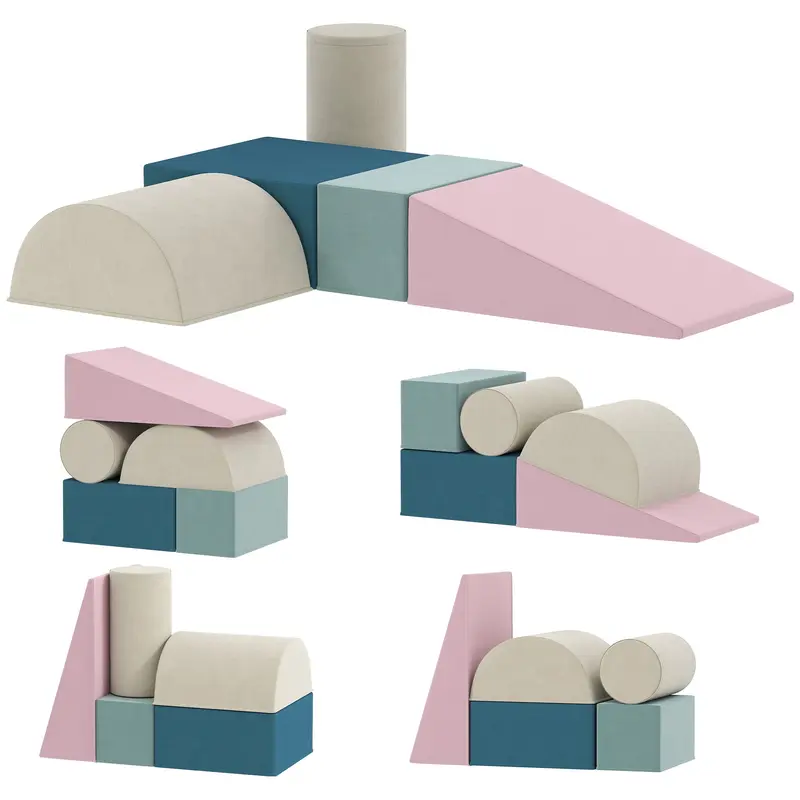
· Build – Modular foam blocks can be rearranged into new shapes and play courses
· Perform – Drums, ukuleles and other musical toys introduce rhythm and sound
· Share – Larger playhouses and role play setups create room for siblings and friends to join in
This makes it easier to find a toy that adds something new to playtime rather than simply duplicating toys already at home.
Turn Everyday Life into Pretend Play
Children often build games around the routines they see every day. Cooking, shopping, dressing up and caring for a home can all become starting points for imaginative play.
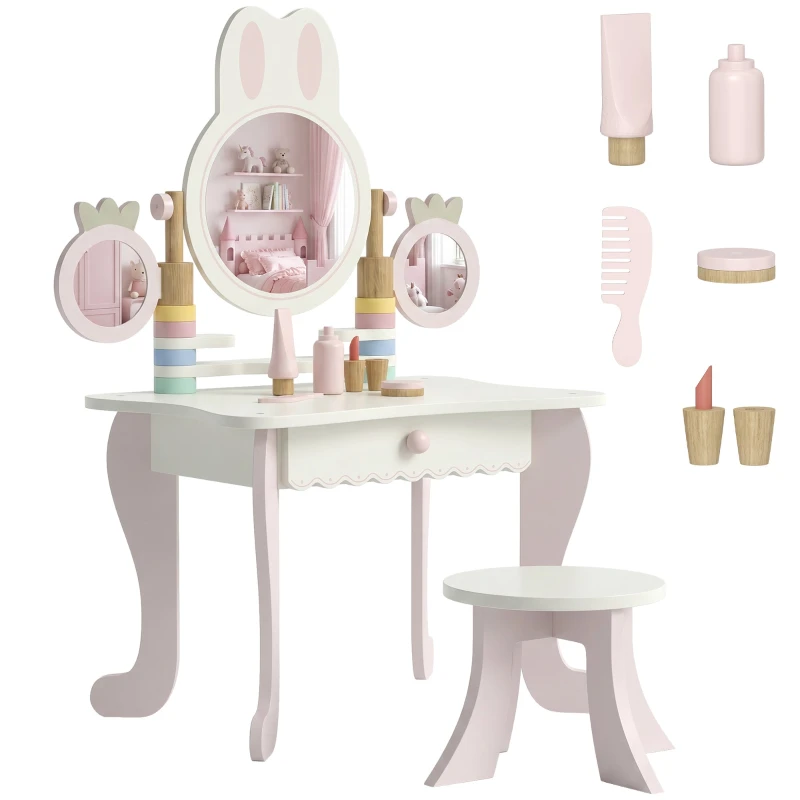
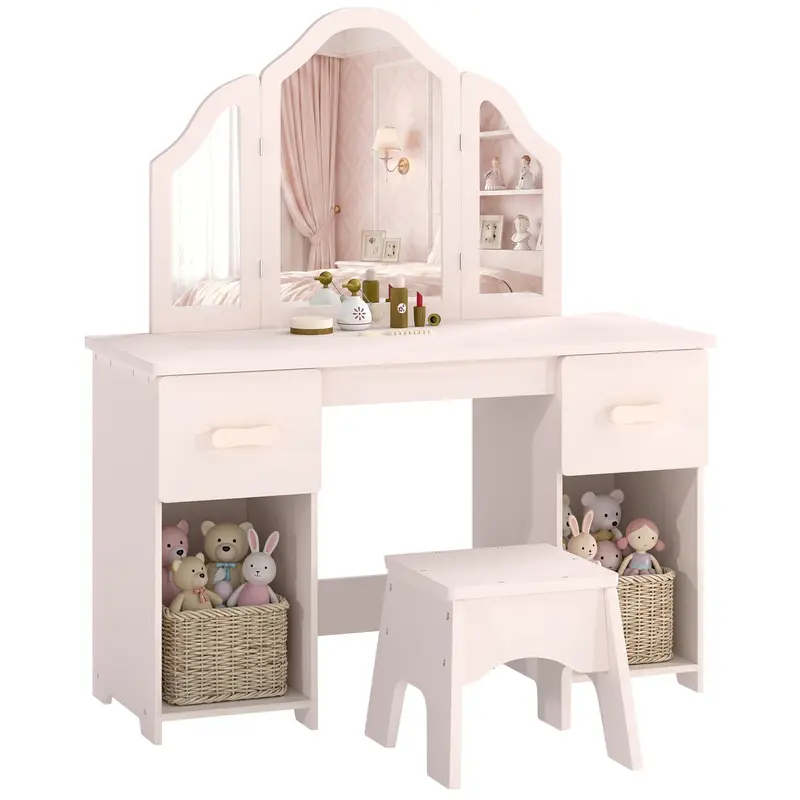
Explore role play toys for imaginative everyday adventures including children's play kitchens, vanities, dollhouses and other pretend play setups.
A toy kitchen with an oven, sink, microwave and accessories gives children several actions to build into the same game. A dollhouse creates rooms and characters around which stories can develop, while a children's vanity can become part of dressing-up and make-believe routines.
The advantage of this kind of toy is its flexibility: the structure stays the same, but the story can change every time children play.
Give Their Imagination a Space of Its Own
A playhouse changes the scale of play. Instead of holding a toy in their hands, children can step inside the setting they are imagining.
Browse kids' playhouses for indoor and outdoor adventures with designs featuring doors, windows, chalkboards, planter boxes, counters and other interactive details depending on the model.
Some playhouses are designed primarily for garden use, while foldable and more compact structures offer greater flexibility where space is limited. Check the assembled dimensions carefully and leave enough room around doors, windows and entrances for children to move comfortably.
Outdoor wooden playhouses should be positioned on stable, level ground and maintained according to the product instructions. Periodically check timber, fixings and exposed surfaces, particularly after extended periods of wet or cold weather.
Make Movement Part of Indoor Play
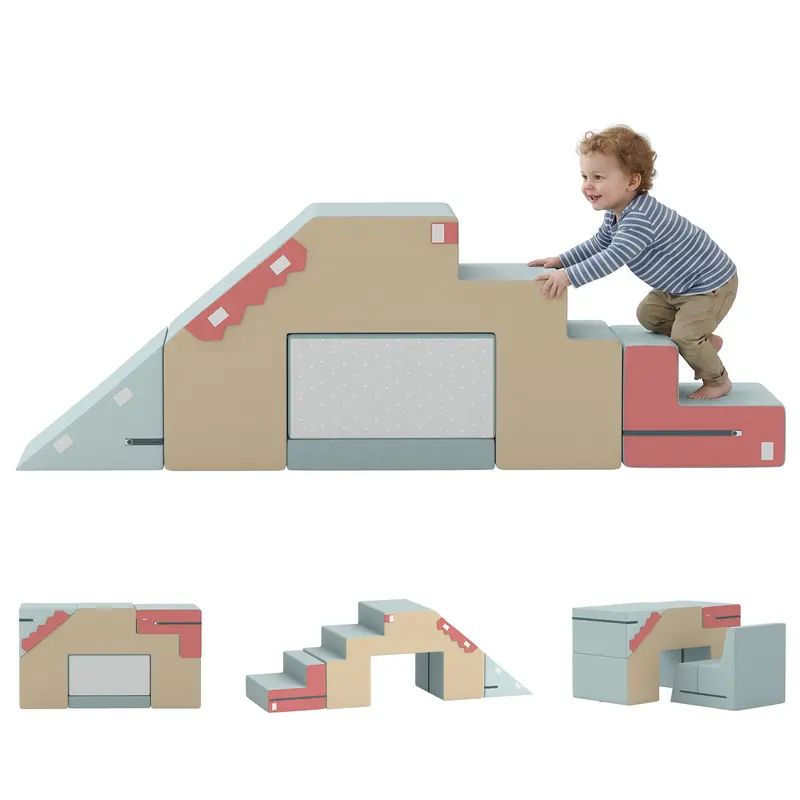
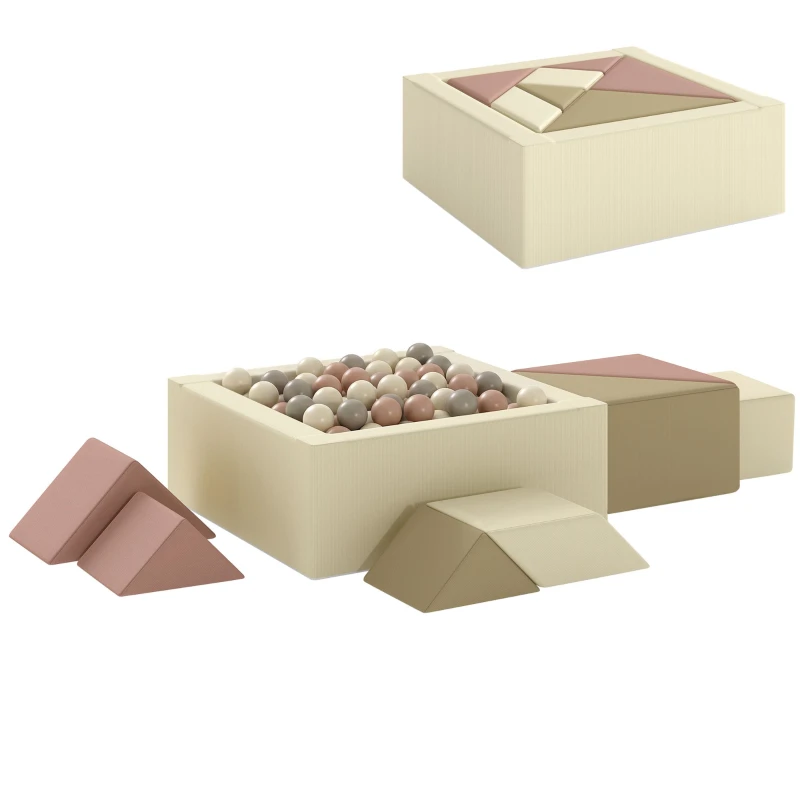
Not every active toy needs a garden. Soft play equipment can introduce crawling, climbing, balancing and sliding into an indoor play area using padded shapes that can be arranged in different ways.
Discover soft play sets for climbing, crawling and building with foam modules in different shapes, sizes and configurations.
The current range includes multi-piece motor skills courses, large foam building blocks and modular sets with non-slip bases or removable covers on selected models. These pieces can be combined into simple routes and rearranged when children are ready for a different activity.
Place soft play equipment on a clean, level surface with clear space around it. Follow the individual product's recommended age and user limits, and inspect covers, seams and foam pieces regularly for damage.
Rocking Toys Turn Repetition into Part of the Fun
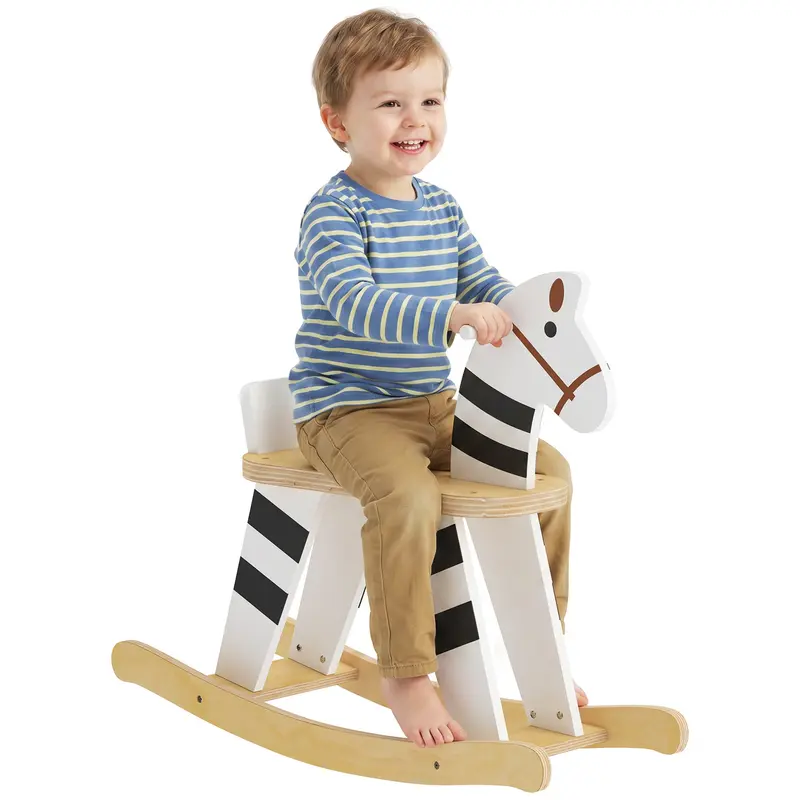
Rocking toys have a simple movement pattern, but that simplicity is part of their appeal. Children control the motion themselves and can repeat it at their own pace while the animal or character design adds an imaginative element.
Explore rocking animals for younger children's play including traditional horses and character-inspired designs with different seats, handles, footrests and interactive features.
Selected models include supportive seats, safety belts, handles, footrests or animal sounds. Always follow the individual age and weight guidance, and place rocking toys on a flat surface with sufficient clearance from furniture, stairs and other obstacles.
Let Children Experiment with Sound
Musical play has a different rhythm from pretend play. Children can tap, strum, repeat sounds and gradually discover how different movements produce different results.
Browse musical toys and instruments for young performers including children's drum sets as well as beginner-friendly instruments such as ukuleles and violins.
A drum kit encourages children to experiment with beat and coordination, while string instruments offer a different introduction to sound and musical practice. Choose according to the child's age, interest and the physical size of the instrument rather than selecting solely by appearance.
For real beginner instruments, regular tuning and appropriate adult guidance may be needed. Keep instruments dry and store them safely when not in use to protect strings, wooden components and accessories.
Look for Play Value Beyond the First Five Minutes
A toy may be visually exciting when it first arrives, but longer-lasting play usually comes from products that can be used in more than one way.
A fixed electronic action tends to produce the same result each time. By contrast, a play kitchen can support dozens of pretend scenarios, modular foam blocks can be rearranged, and a playhouse can accommodate different characters and games.
When comparing toys, features such as movable accessories, multiple play areas, rearrangeable components and open-ended layouts can provide more possibilities without requiring a large number of separate toys.
Match the Scale of the Toy to the Space at Home
Children's toys can occupy very different amounts of space. A rocking animal has a relatively defined footprint, while a play kitchen needs standing room in front of it and soft play blocks need additional floor area when spread out.
Measure the intended play area as well as the product itself. Leave space for doors and cabinets to open, for children to move around pretend play furniture, and for soft play pieces to be rearranged safely.
Larger toys can work particularly well when they have a consistent place in a bedroom or playroom. Smaller accessories and instruments are easier to put away between sessions, making them useful where rooms serve several purposes.
Choose Materials for the Way the Toy Will Be Used
Different types of toys require different materials. Wooden play kitchens and dollhouses provide a rigid structure for repeated pretend play. Plush surfaces make rocking animals softer to touch, while foam gives soft play blocks the cushioning required for floor-based activities.
Look at the product-specific materials and care instructions before purchasing. Wipeable surfaces are useful for pretend kitchens and vanities, removable covers simplify care on selected soft play sets, and outdoor wooden playhouses require different maintenance from indoor toys.
For toys with small accessories, removable parts or musical components, follow the manufacturer's age guidance and keep pieces organised between play sessions.
Make Sharing Part of the Play
Some toys naturally create opportunities for children to play alongside one another. A playhouse can become a shared setting, a toy kitchen allows different roles to develop, and a musical setup can turn individual sounds into a group performance.
For households with siblings, larger pretend play toys can offer more than one interaction point. A kitchen with separate cooking, washing and serving areas, for example, gives children different roles within the same game rather than requiring everyone to use one feature at once.
Check the manufacturer's intended number of users and weight limits where applicable, particularly for rocking toys and soft play equipment.
Check the Details Before Play Begins
Children's toys should always be assembled and used according to their individual instructions. Recommended ages vary across the collection: current products range from soft motor-skills sets intended for babies and toddlers to play kitchens, playhouses and musical toys designed for children aged three and above.
Before regular use, check that fasteners, handles, seats and structural components remain secure. Remove damaged toys from use until they can be repaired or replaced, and keep the play area clear of unnecessary obstacles.
Where a toy includes electrical, sound-producing or removable components, follow the supplied instructions for batteries, cleaning and storage.
Find a Toy That Can Become Something New Tomorrow
Great play does not always need more instructions. Sometimes children simply need a setting, a few possibilities and enough freedom to decide what happens next. A rocking horse can begin an imaginary journey, a kitchen can become a restaurant, foam blocks can turn into a climbing course, and a playhouse can become almost anything.
Explore the complete range of toys for kids, pretend play and creative play and find toys that leave room for the next idea, the next story and the next way to play.