

Turn the Hallway into the Most Efficient Part of Your Home
The hallway handles more daily traffic than almost any other room. Shoes arrive wet, coats need somewhere to land, bags are dropped in a hurry, and keys have a habit of disappearing just when they are needed. Well-chosen cloakroom and hallway furniture turns this busy transition area into a practical system that keeps arrivals, departures, and everyday storage under control.
Rather than treating the entrance as leftover space, use it to create a clear routine. A shoe cabinet keeps the floor open, a coat rack prevents outerwear from spreading through the home, and a console table gives smaller essentials a reliable place. The result is a hallway that looks calmer and makes leaving the house easier.
Give Shoes a Proper Place from the Door
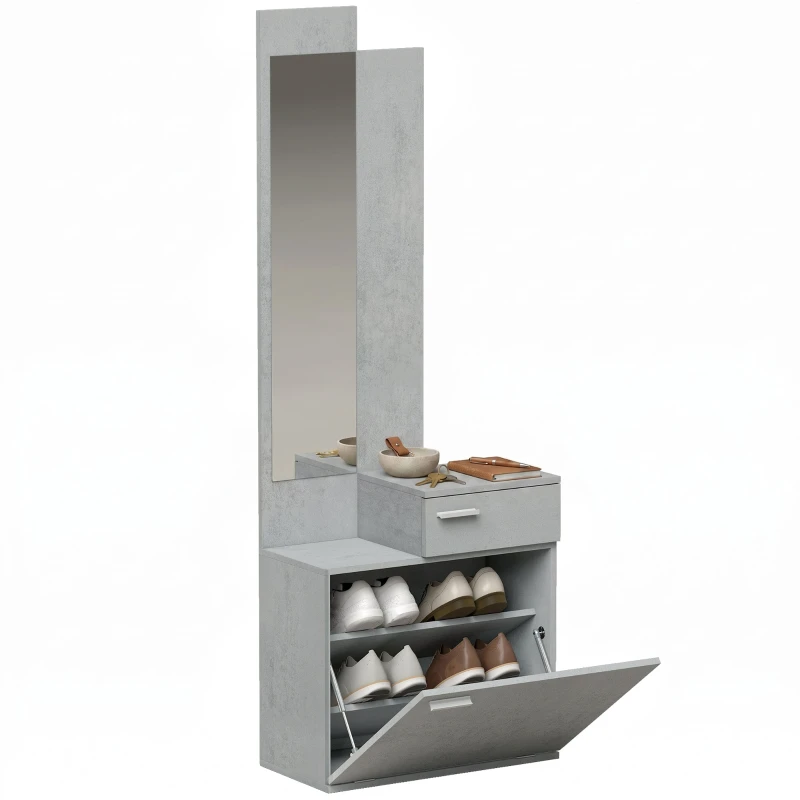
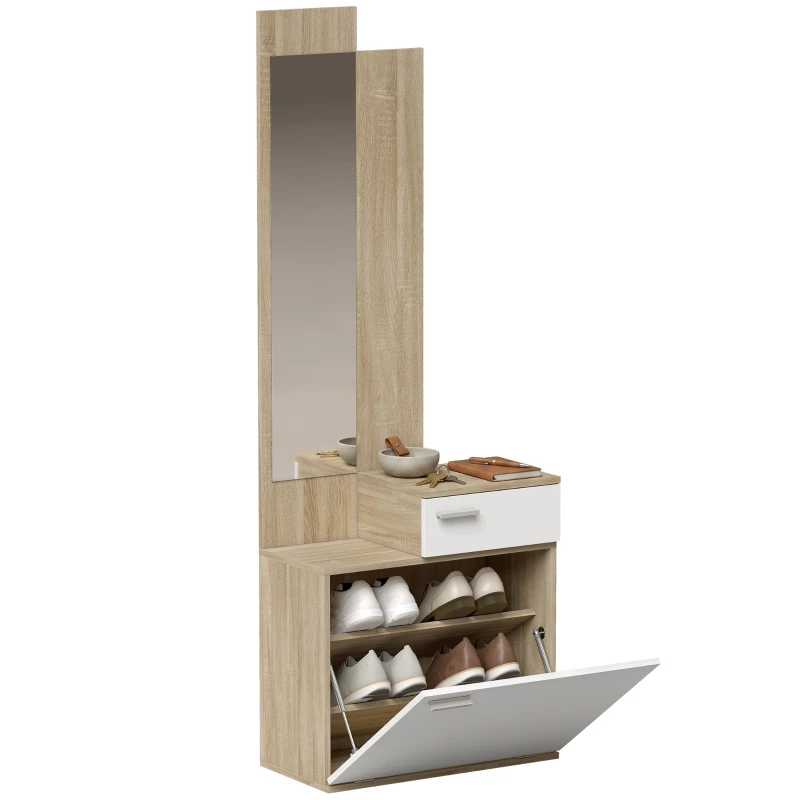
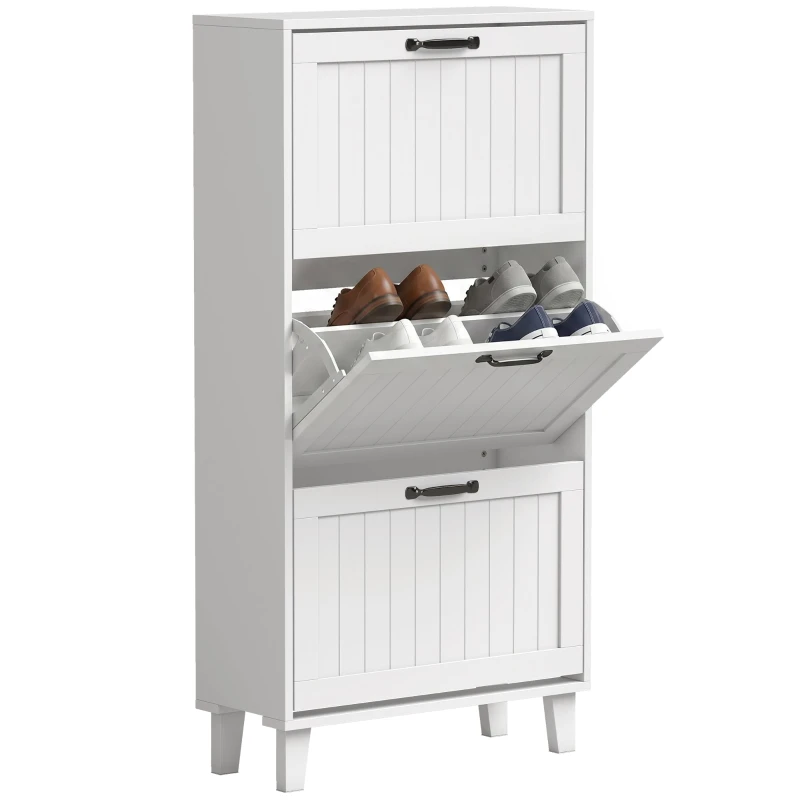
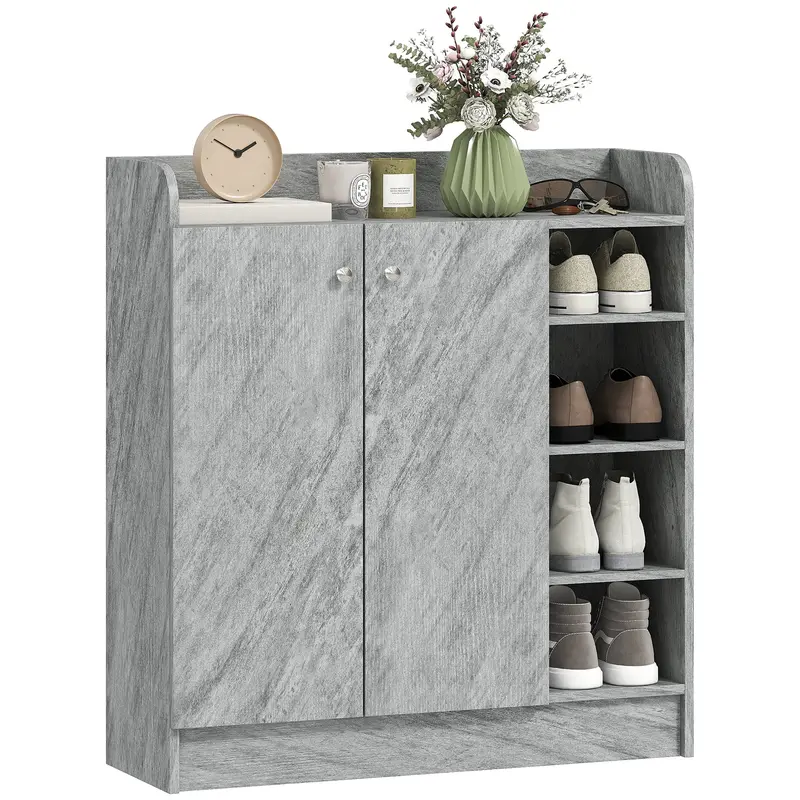
Shoes are often the first source of hallway clutter. Closed cabinets create a cleaner appearance, while open racks make frequently worn pairs easier to reach. Slim and tilt-out designs are particularly useful in narrow entrances because they provide practical capacity without taking up too much walking space.
Choose from slim and high-capacity shoe storage with adjustable dividers, flip compartments, shelves, drawers, and soft-close doors. Current designs range from compact cabinets for around eight pairs to taller models that can organise 18 pairs or more.
Before placing a cabinet, check the usable depth of the hallway and allow enough clearance for doors or drawers to open fully. In very narrow spaces, a wall-mounted or shallow tilt-out cabinet can keep shoes organised while preserving a comfortable route through the entrance.
Create a Comfortable Arrival and Departure Point
A seat near the door makes everyday routines noticeably easier. It provides a stable place to put on shoes, helps children get ready independently, and gives shopping bags somewhere to rest before they are unpacked.
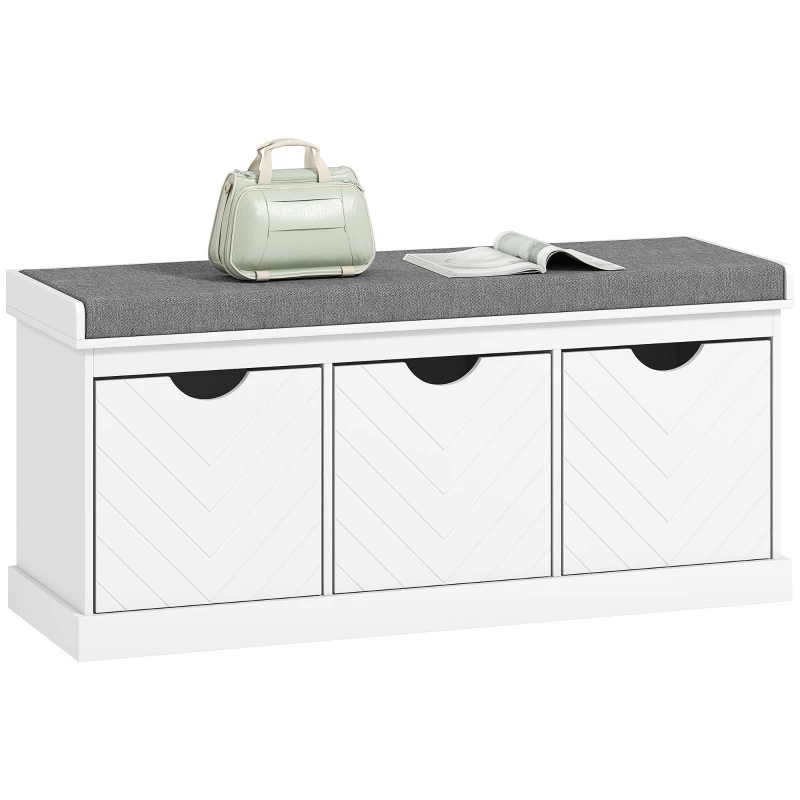
Explore shoe benches with seating and storage to combine two functions within one footprint. Padded seats add comfort, while open shelves keep everyday shoes visible and closed compartments provide a tidier finish.
For households with several users, choose a bench wide enough for the available wall but leave the main walkway unobstructed. Models with strong metal or solid wood frames are better suited to frequent seating, while bamboo and natural wood finishes can give compact hallways a lighter visual feel.
Stop Coats and Bags from Taking Over the Entrance
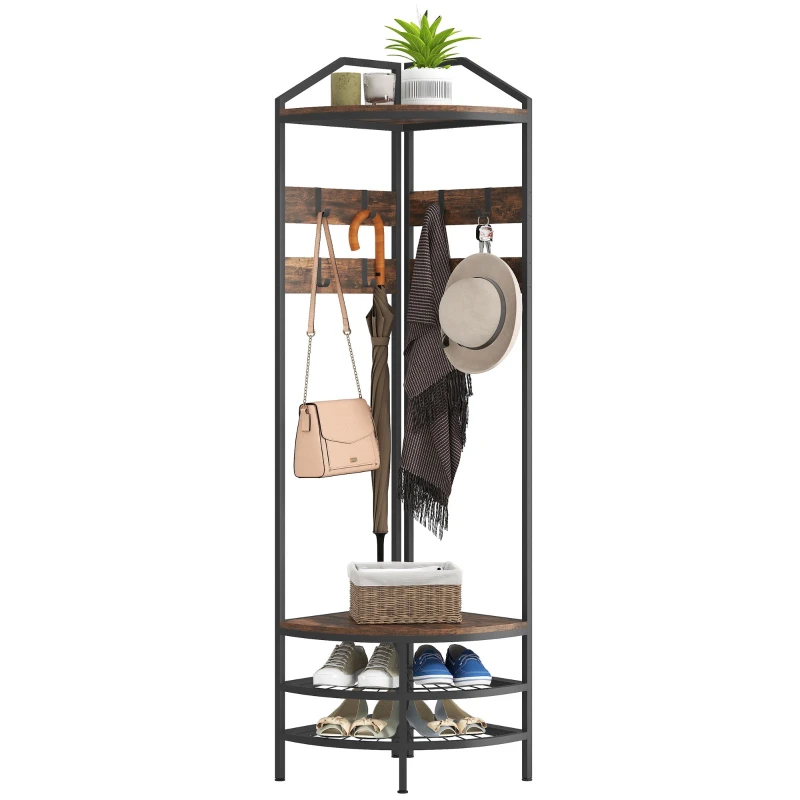
Outerwear needs to be easy to hang, but it should not make the hallway feel crowded. A freestanding rack works well when wall drilling is not practical, while multi-hook designs create separate positions for jackets, hats, scarves, and bags.
Browse coat racks and stands for everyday outerwear to keep frequently used items close to the door. Designs with lower shelves can also accommodate shoes, baskets, or smaller accessories, making better use of vertical space.
Avoid loading every hook at once. Keeping seasonal coats elsewhere and leaving only current essentials in the hallway helps the rack remain balanced, accessible, and visually ordered.
Bring Several Hallway Functions into One Unit
When floor space is limited, combining storage, seating, and hanging space can be more effective than arranging several separate pieces. A hall tree creates a defined entry station where coats, shoes, bags, and accessories stay together.
Discover all-in-one hall trees and entryway organisers with coat hooks, shoe shelves, benches, drawers, hanging rails, and lift-top storage. Products such as a 3-in-1 hall tree with storage bench or a 5-in-1 organiser with an industrial steel frame show how one compact unit can handle several parts of the daily routine.
For taller units, use the supplied anti-tip fittings and secure the furniture according to the assembly instructions. This is particularly important in family homes and in entrances where bags or coats may place uneven weight on the frame.
Use a Console Table as the Hallway’s Control Point
Keys, post, sunglasses, and small daily items are easier to manage when they have one consistent destination. A narrow console table creates that landing point without requiring the depth of a full cabinet.
Explore narrow console tables for keys, post, and display with drawers, lower shelves, open compartments, or decorative surfaces. Industrial metal frames, natural wood finishes, marble-effect tops, rattan-front drawers, and high-gloss designs make it easier to connect the hallway with the style of nearby rooms.
Keep the tabletop focused on a few useful items. A tray for keys, a small lamp, and one decorative object usually create a more polished entrance than a surface crowded with unrelated belongings.
Prepare for Wet Weather without the Mess
Umbrellas need ventilation and a place for rainwater to collect. Leaning them against a wall can leave marks, create puddles, and make the entrance harder to navigate.
A dedicated umbrella stand with practical drip control keeps wet umbrellas upright and contained. Models with removable drip trays are easier to empty and clean, while additional hooks can hold compact umbrellas without losing them at the bottom of the stand.
Place the stand near the entrance but outside the door swing. Empty collected water promptly and wipe the tray dry to help prevent moisture build-up and keep the surrounding floor safer.
Plan the Hallway in the Order You Use It
A useful entrance follows a simple sequence: put down small items, remove outerwear, sit if needed, and store footwear. Arranging furniture in this order makes the hallway feel intuitive rather than crowded.
· Near the door – Position an umbrella stand and a clear place for keys
· At hand height – Add hooks or a coat rack for everyday outerwear
· Along the lower wall – Use a shoe cabinet or bench to control floor clutter
· In unused narrow areas – Add a console table for drawers, display, and smaller essentials
Keep enough clear width for people to pass comfortably and make sure furniture does not obstruct doors, radiators, switches, or stair access. A few well-positioned pieces usually provide more value than filling every available wall.
Choose Finishes That Can Handle Daily Contact
Hallway furniture faces frequent handling, damp footwear, dust, and occasional knocks. Easy-clean surfaces, stable frames, adjustable shelves, secure hinges, and reliable anti-tip fittings all contribute to better long-term use.
High-gloss fronts can be wiped clean easily but may show fingerprints, while natural wood-effect finishes tend to disguise minor marks. Metal frames add structural strength, bamboo offers a lighter appearance, and padded PU leather seats can be cleaned with a soft damp cloth after everyday use.
Check shoe shelves and cabinet interiors regularly for trapped moisture. Allow damp footwear to dry before placing it in closed storage, and avoid overloading tilt-out compartments or coat hooks beyond the stated product capacity.
Make Coming Home Feel Effortless
A successful hallway does not need to be large or highly decorated. It simply needs to make daily actions easier. When shoes, coats, umbrellas, bags, and keys each have a clear place, the entrance stays tidier and the rest of the home benefits too.
Explore the full range of cloakroom and hallway furniture and create an entrance that is organised, welcoming, and ready for every arrival.